Climate Change
What Are the Economic Consequences of Climate Change?

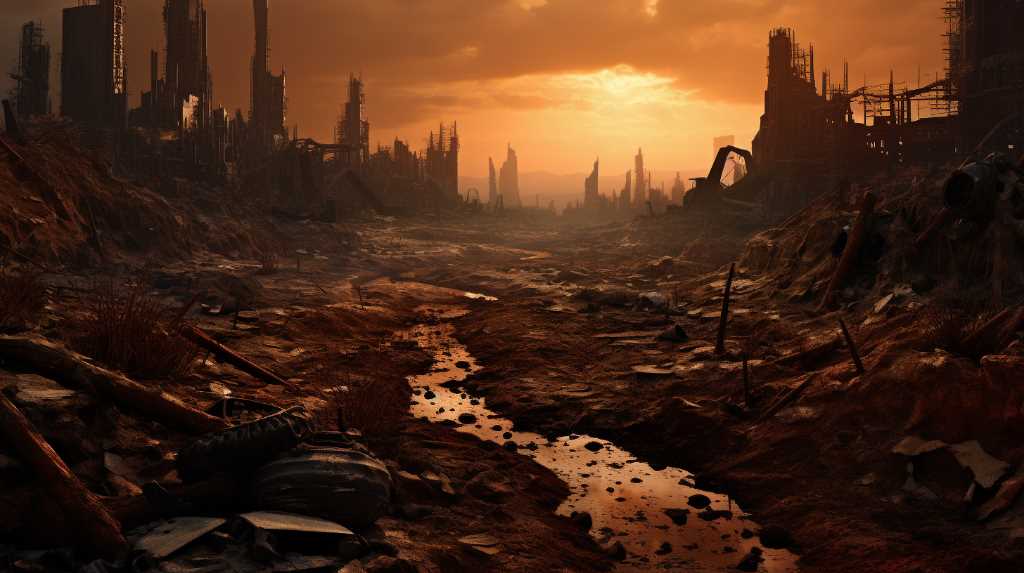

Do you know the economic consequences of climate change?
Brace yourself for increased costs of adaptation and mitigation, damage to infrastructure, decreased agricultural productivity, loss of tourism revenue, and insurance losses.
Climate change is taking a toll on our economy.
Find out more about how these consequences are impacting us in this article.
Key Takeaways
- Significant financial investment is required for adaptation and mitigation measures, such as building sea walls and developing renewable energy sources, to protect against and minimize the impacts of climate change.
- Rising temperatures and more frequent extreme weather events drive up costs of adaptation and mitigation efforts, leading to costly repairs and disruptions in daily life due to infrastructure damage.
- Changing weather patterns and increased frequency of extreme events negatively impact agricultural productivity, resulting in decreased crop yields, livestock health issues, and difficulties in planning and managing farming operations effectively.
- Changes in weather patterns and climate-related hazards disrupt tourist activities and infrastructure, leading to a decline in tourism revenue and impacting local economies.
Increased Costs of Adaptation and Mitigation
How much will you have to spend to adapt to and mitigate the consequences of climate change?
The increased costs of adaptation and mitigation can be significant. As temperatures rise and extreme weather events become more frequent, governments, businesses, and individuals will need to invest in infrastructure, technology, and strategies to protect against and minimize the impacts of climate change.


For example, building sea walls, improving water management systems, and developing renewable energy sources are all measures that require substantial financial resources. Additionally, the costs of transitioning to a low-carbon economy, such as implementing carbon pricing and investing in clean energy technologies, can also be substantial.
Damage to Infrastructure
You will experience significant damage to your infrastructure due to climate change. Rising temperatures and extreme weather events such as hurricanes, floods, and wildfires pose a significant threat to the stability and functionality of your roads, bridges, buildings, and other essential structures.
As temperatures continue to rise, heatwaves can cause roads to buckle and crack, while increased precipitation can lead to flooding and erosion, weakening foundations and causing structural damage. Additionally, stronger storms and hurricanes can result in the destruction of buildings and infrastructure, leading to costly repairs and disruptions in daily life.
These damages not only impact your ability to function effectively as a society but also result in significant economic losses. As we explore the consequences of climate change further, it’s important to consider how decreased agricultural productivity is another significant concern.
Decreased Agricultural Productivity
One consequence of climate change is that agricultural productivity decreases as a result of changing weather patterns and increased frequency of extreme events.
As a farmer, you face the challenge of adapting to these uncertain conditions. Rising temperatures can negatively impact crop yields and livestock health.
Droughts and floods become more frequent, affecting irrigation and soil quality. Pests and diseases thrive in warmer climates, posing a threat to your crops and livestock.

Additionally, unpredictable weather patterns make it difficult to plan and manage your farming operations effectively. These changes in agricultural productivity not only affect your livelihood but also have broader economic implications.
Food scarcity can lead to higher prices and increased social inequality. Governments and international organizations must take steps to mitigate these effects and support farmers in adapting to the changing climate.
Loss of Tourism Revenue
As a farmer dealing with the consequences of climate change, you also need to consider the potential loss of tourism revenue due to its impact on your local economy.
Climate change can lead to changes in weather patterns, such as increased frequency and intensity of extreme weather events like hurricanes, floods, and droughts. These events can disrupt tourist activities and infrastructure, leading to a decline in tourism revenue.
For example, if your region is known for its scenic landscapes and outdoor recreational activities, such as hiking and camping, extreme weather events can damage these attractions and deter tourists from visiting.
Additionally, rising sea levels and warmer temperatures can negatively impact coastal tourism, as beach erosion and coral bleaching can diminish the appeal of beach destinations.
Therefore, it’s crucial to recognize the potential economic consequences of climate change on tourism and work towards sustainable solutions to mitigate its impact.

Insurance Losses
What are the potential insurance losses resulting from the economic consequences of climate change?
As the impacts of climate change continue to intensify, insurance losses have become a major concern for both individuals and businesses. Rising sea levels, extreme weather events, and other climate-related hazards have led to an increase in property damage, crop failure, and infrastructure destruction. This, in turn, has resulted in a significant rise in insurance claims and payouts.
Insurers are facing mounting financial pressure as they try to cover the costs of these losses. Additionally, the frequency and severity of climate-related disasters make it challenging for insurance companies to accurately assess and price their policies.
As a result, individuals and businesses may face higher premiums or even difficulty obtaining insurance coverage altogether, further exacerbating the economic consequences of climate change.
Conclusion
In conclusion, the economic consequences of climate change are significant and far-reaching. The increased costs of adaptation and mitigation, damage to infrastructure, decreased agricultural productivity, loss of tourism revenue, and insurance losses all contribute to a negative impact on the economy.
Urgent action is needed to address climate change and mitigate its effects in order to protect our economy and future generations.
