Ocean Acidification
To Settle or Not to Settle: Can Boat Noise Tip the Balance?

Hello from Wales, more precisely, from the Isle of Anglesey in the north of Wales. Here lies the School of Ocean Sciences (SOS) directly at the Menai Strait, where the ocean changes direction by 180 degrees four times a day. My name is Agnes, and I study Environmental Engineering in Munich and have decided to explore a new scientific topic with the GAME project. For someone like me, who is strongly interested in marine biology, it was quite a piece of luck to end up in a place with this high marine biodiversity. Every day, it seems like the sea breathes in and out – but mostly out as it is quite windy here, like a fresh salty breeze going through your hair.
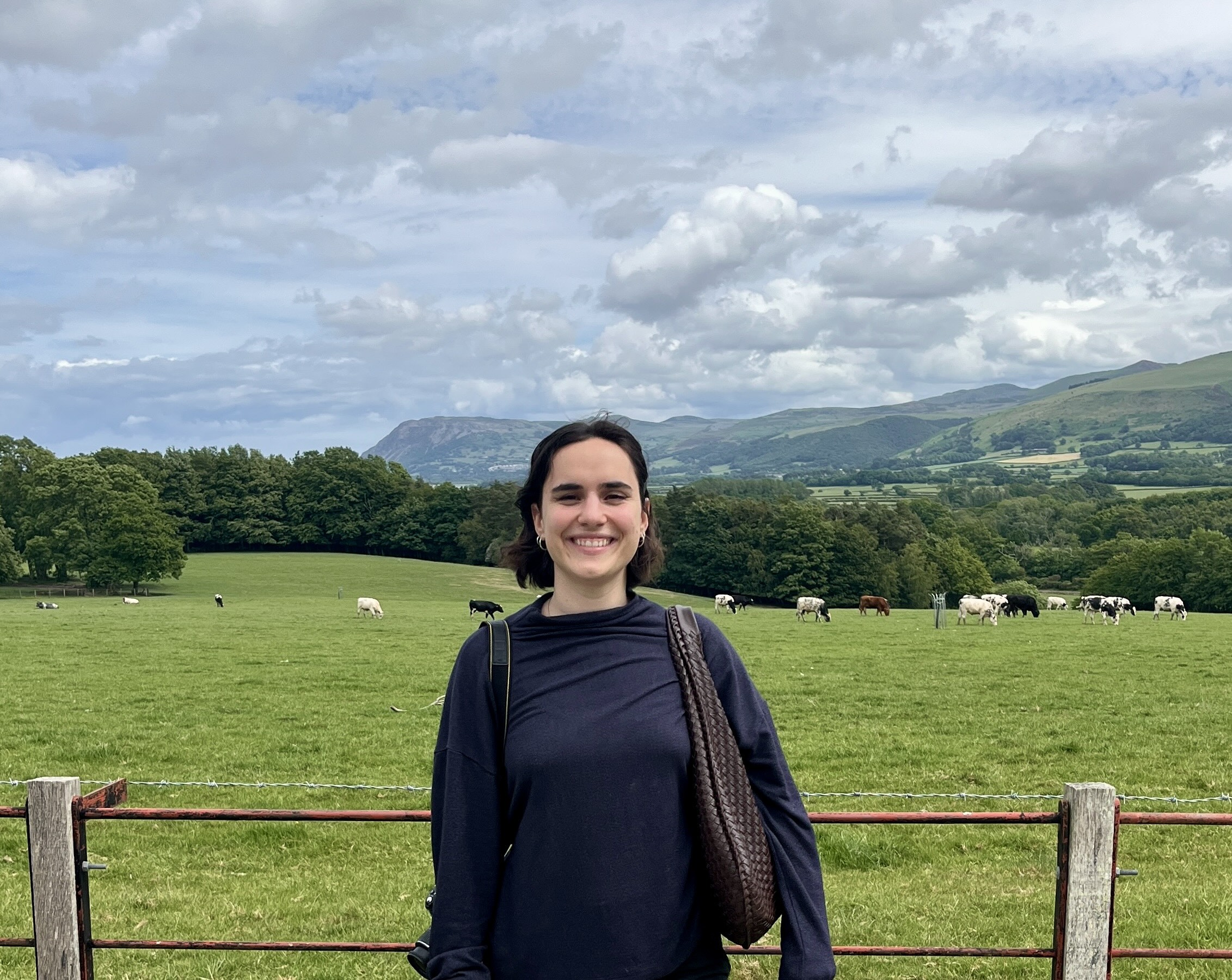
Before arriving here, I never imagined that the nature in North Wales is such a mysterious beauty. It does welcome you to sit in the forests and watch the wind weave its way through the trees, rustling the leaves and casting shifting patches of sunlight across the moss and undergrowth. Sometimes you can hear the calls of birds echoing above, and the scent of damp earth and pine is carried through the air. Or you might walk across rolling green fields speckled with grazing sheep and wildflowers, then reach the rocky coastline where the sound of waves crashing against cliffs rises to meet you. Within minutes, you can watch the deep blue sea stretching below or observe the silver shimmer of sunlight on the water. If you want to experience some lonely time in nature, that’s your place to be. When the deep-hanging clouds allow it, you can even see the mountains with their peaks often veiled in mist, waiting for your visit. There is a certain calmness to the landscape that envelops you, encourages you to be mindful. But let’s take a break from my romantic view of non-cultured nature and give you some information about the life and work here.
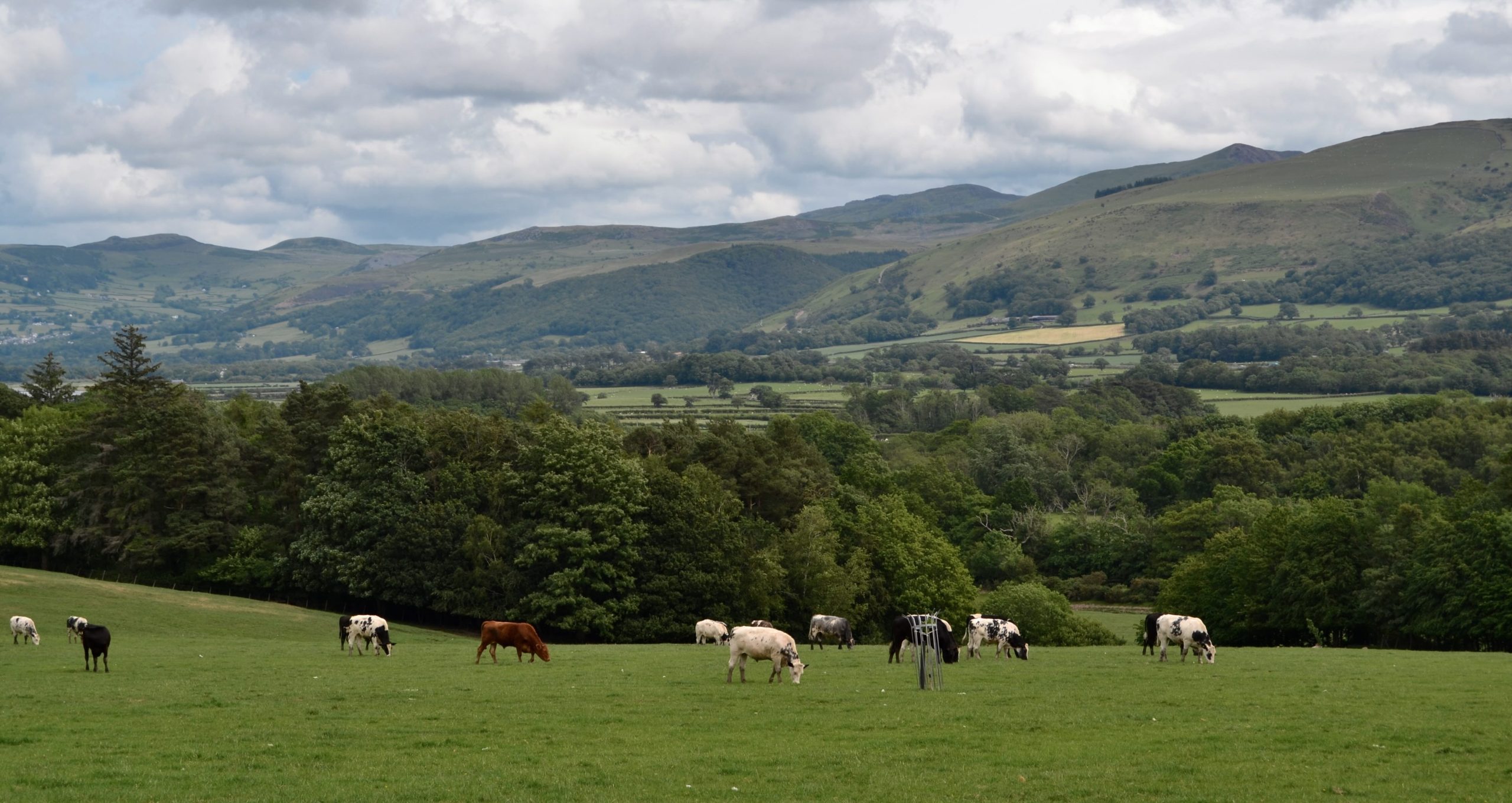
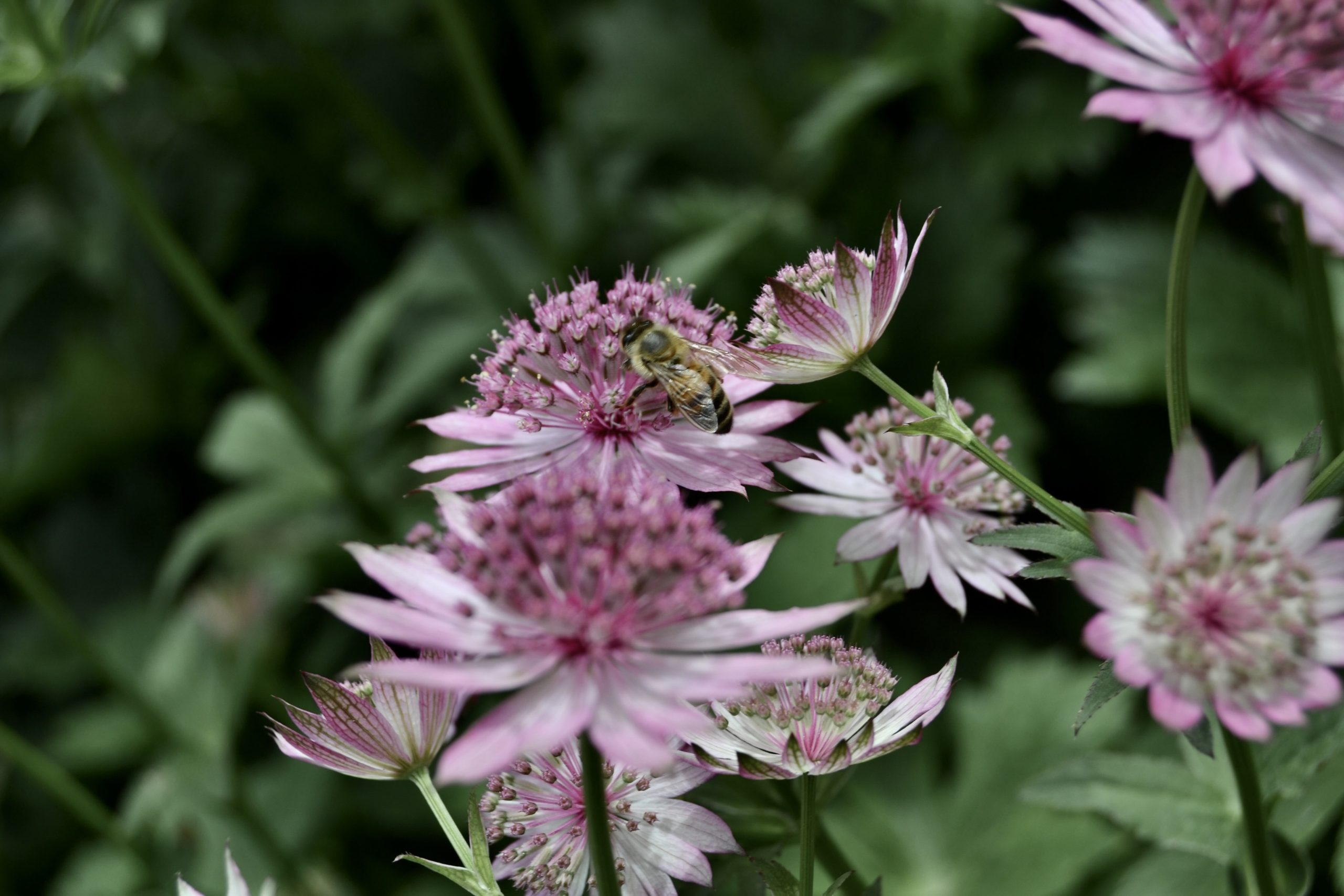
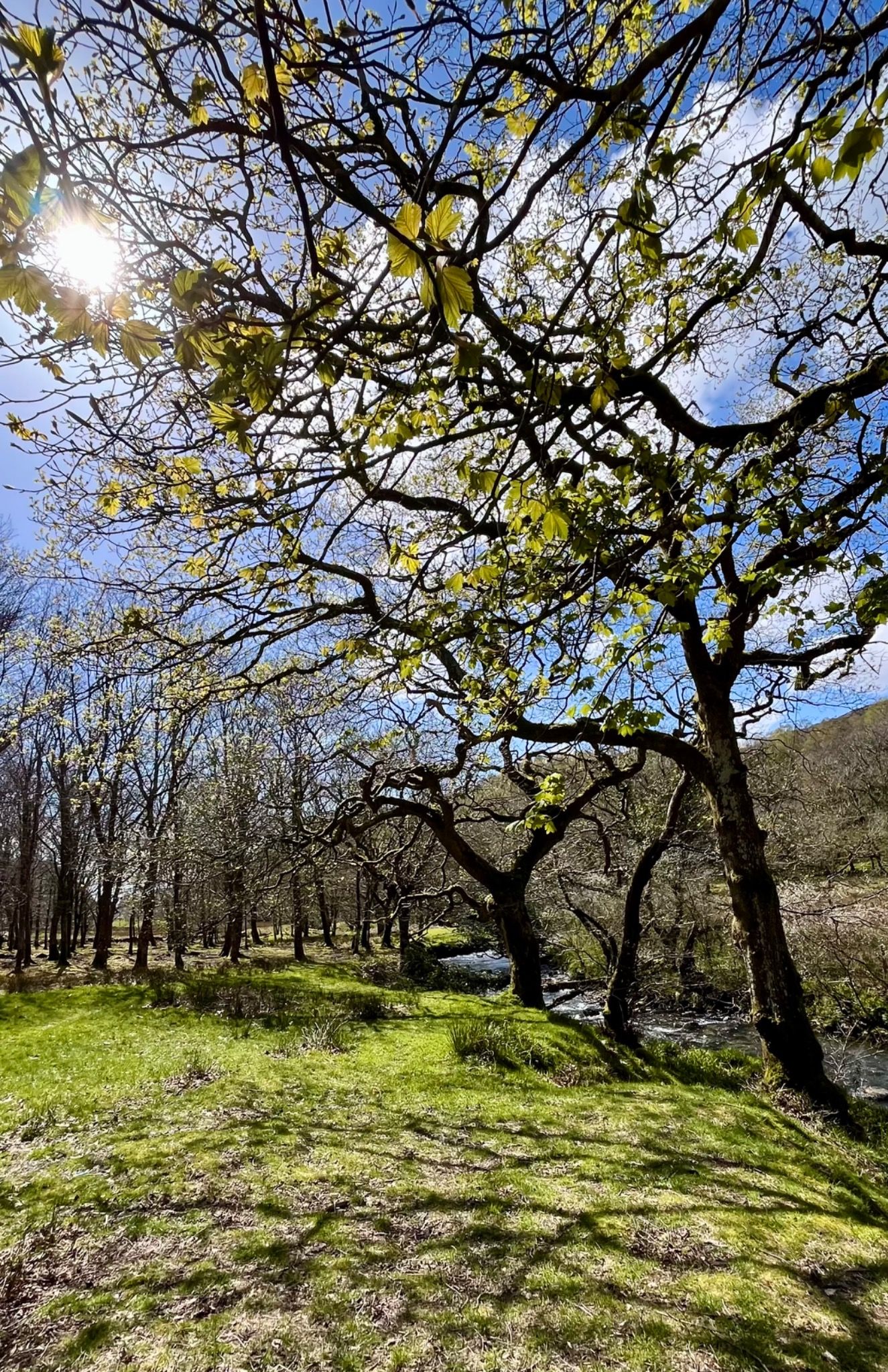
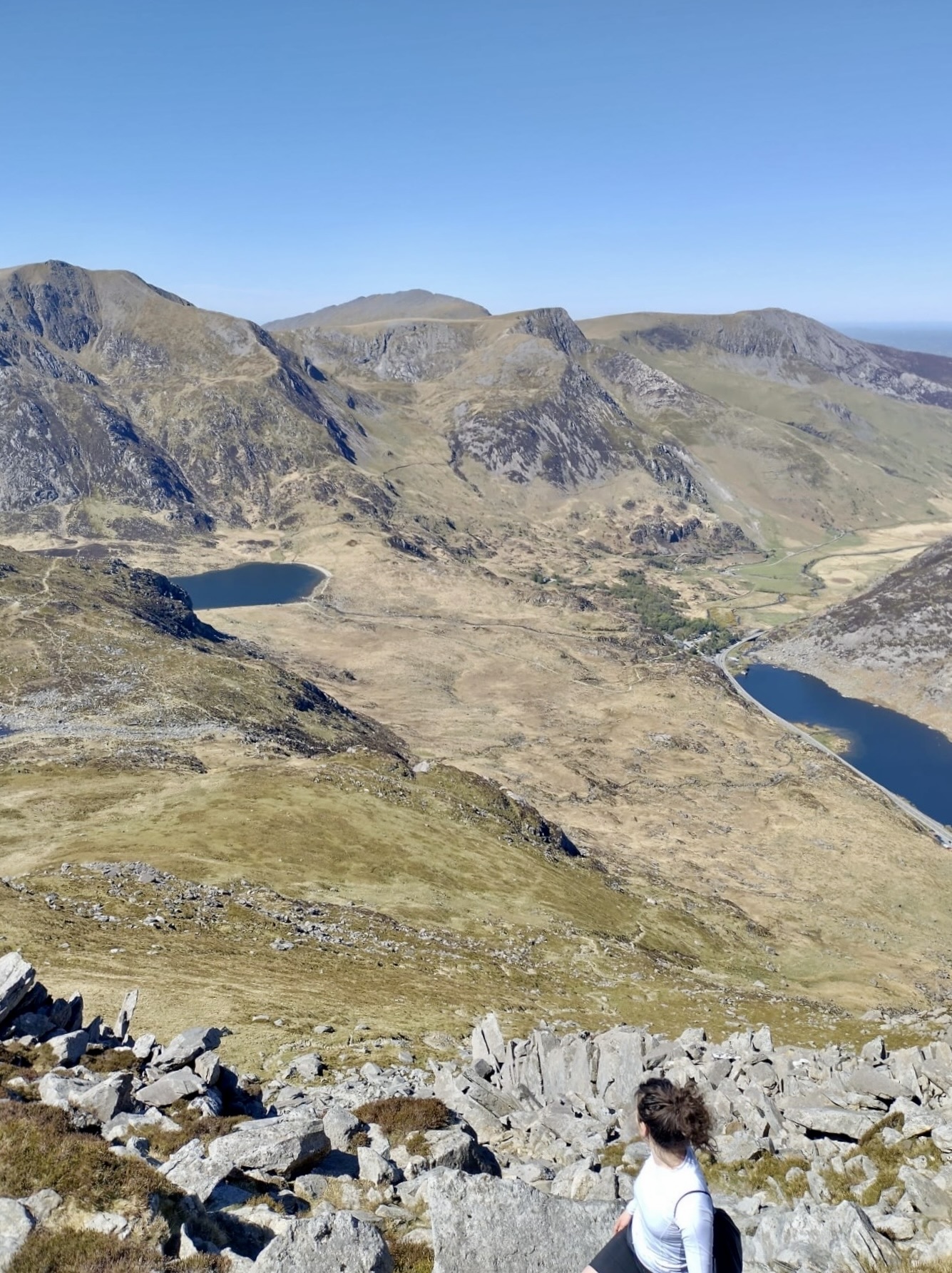
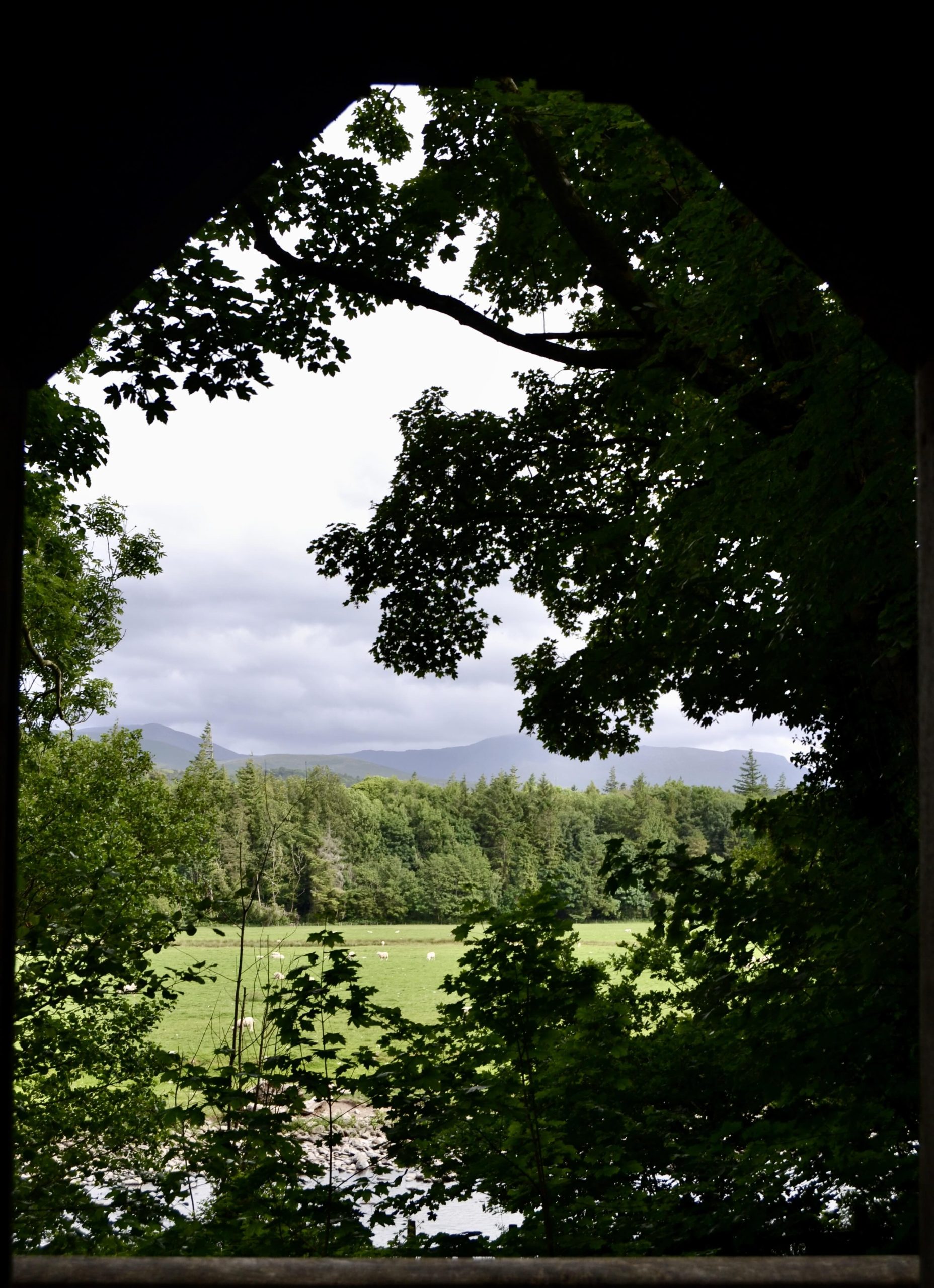
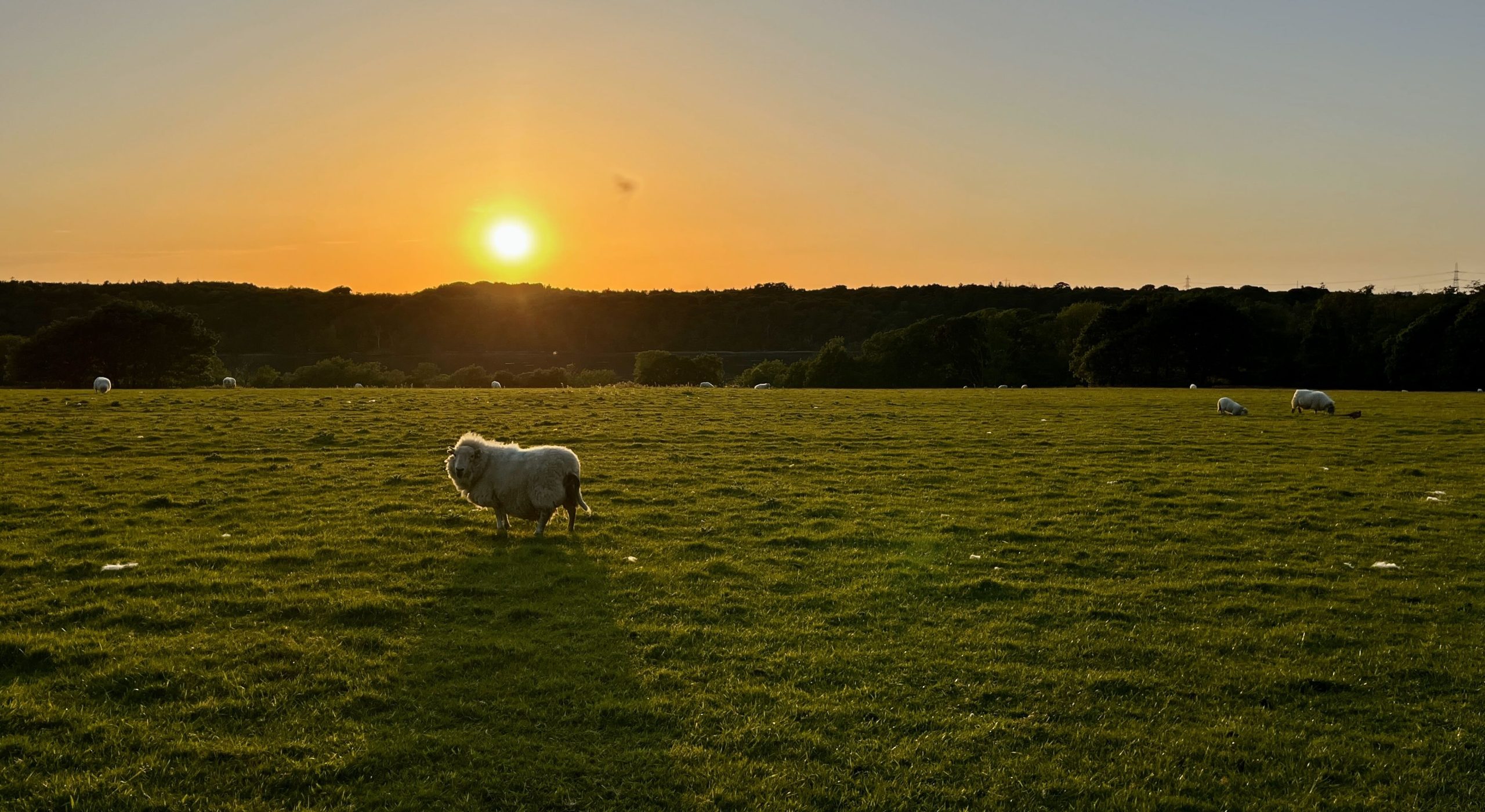
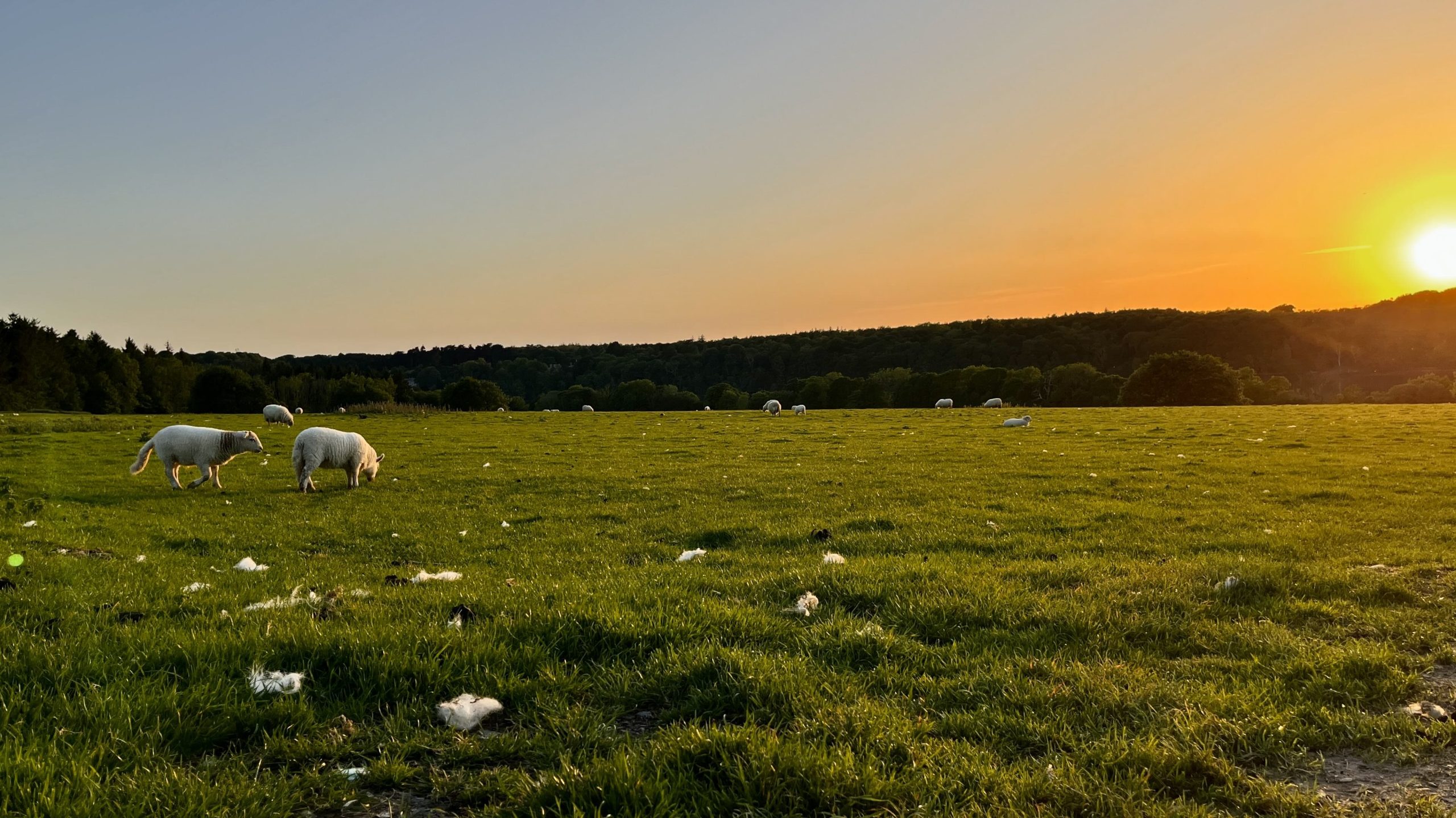
Now, I live in Bangor, right next to a natural reservoir, perfect for running or just a slow walk to say goodnight to the sun and the cows who live there. But be careful, it is hilly in Bangor, even though I love to have a walk, the walk up the hill from the city back home takes a while. With the wind and respect to the hilly topography, I sometimes think about what it would be like to be a bird. It seems a perfect place for it.
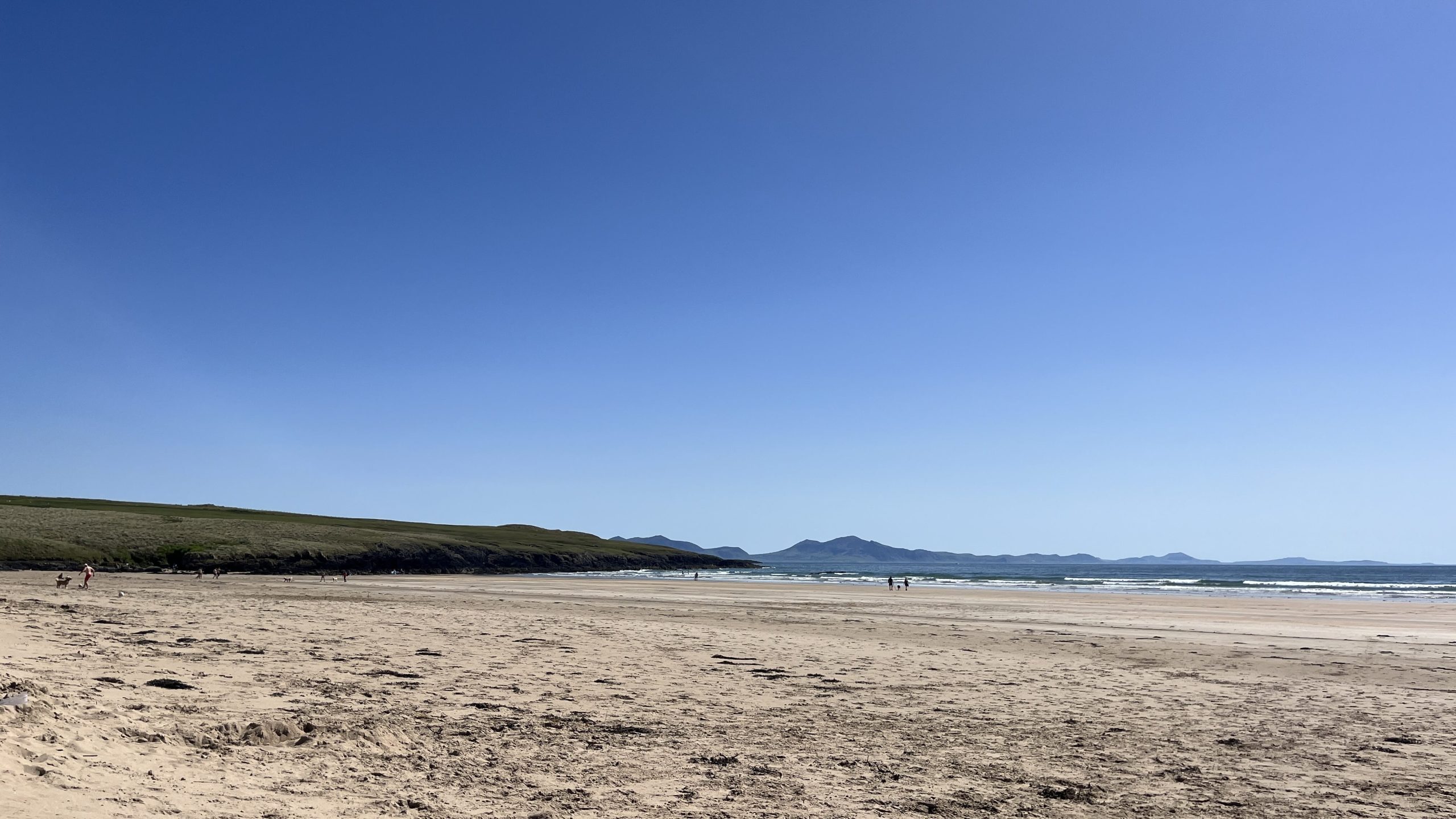
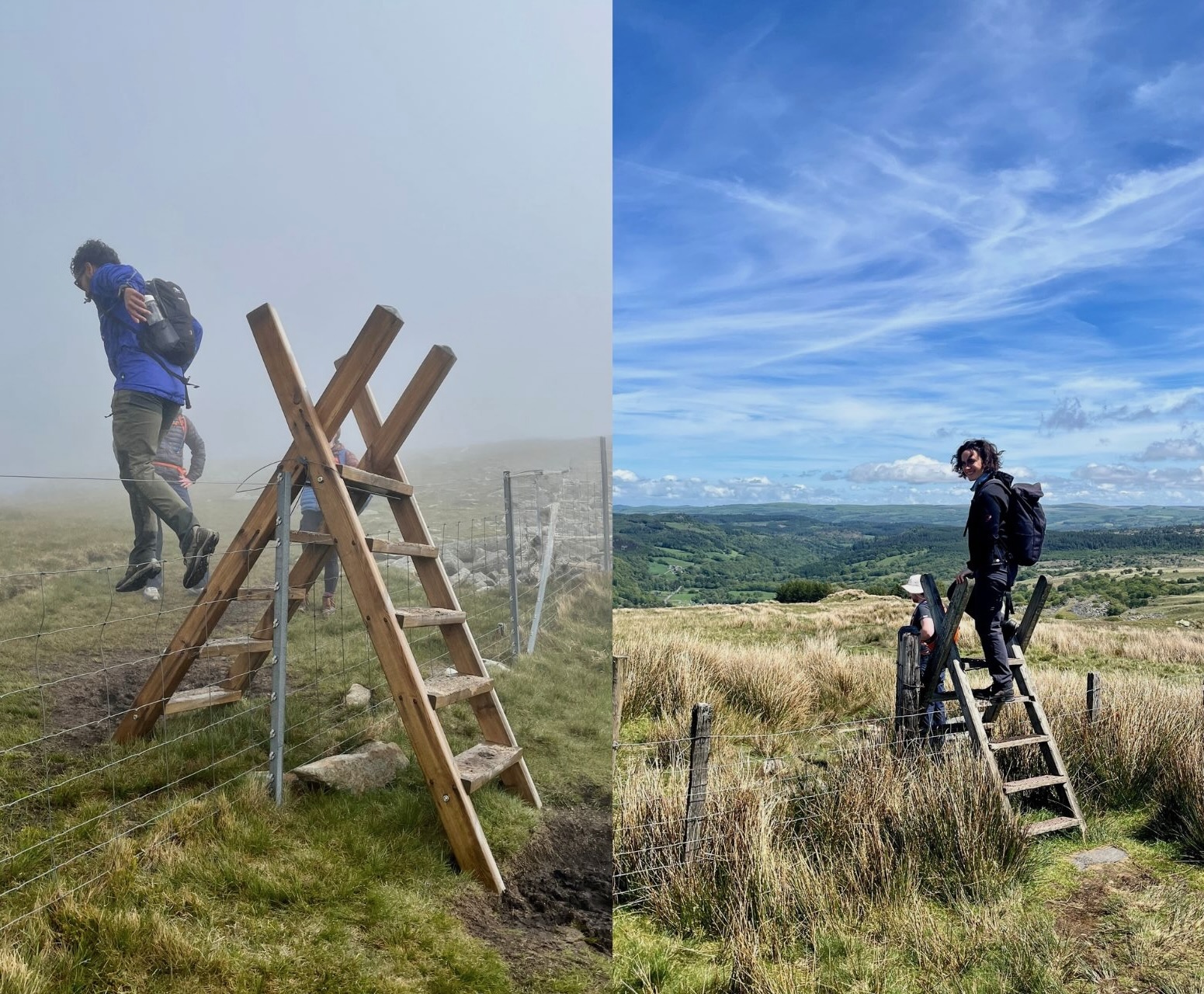
Many people asked me about the weather before I came here. Wales has a reputation for rain, wind and clouds, but so far, the reality I experienced has been quite different. April and May had been surprisingly sunny and somehow dry. However, locals keep reminding me that summer is still coming. During a hike, one colleague quoted her mother saying, “There is no bad weather, rain just makes the hike more atmospheric.” As a German, I can only agree to this philosophy.
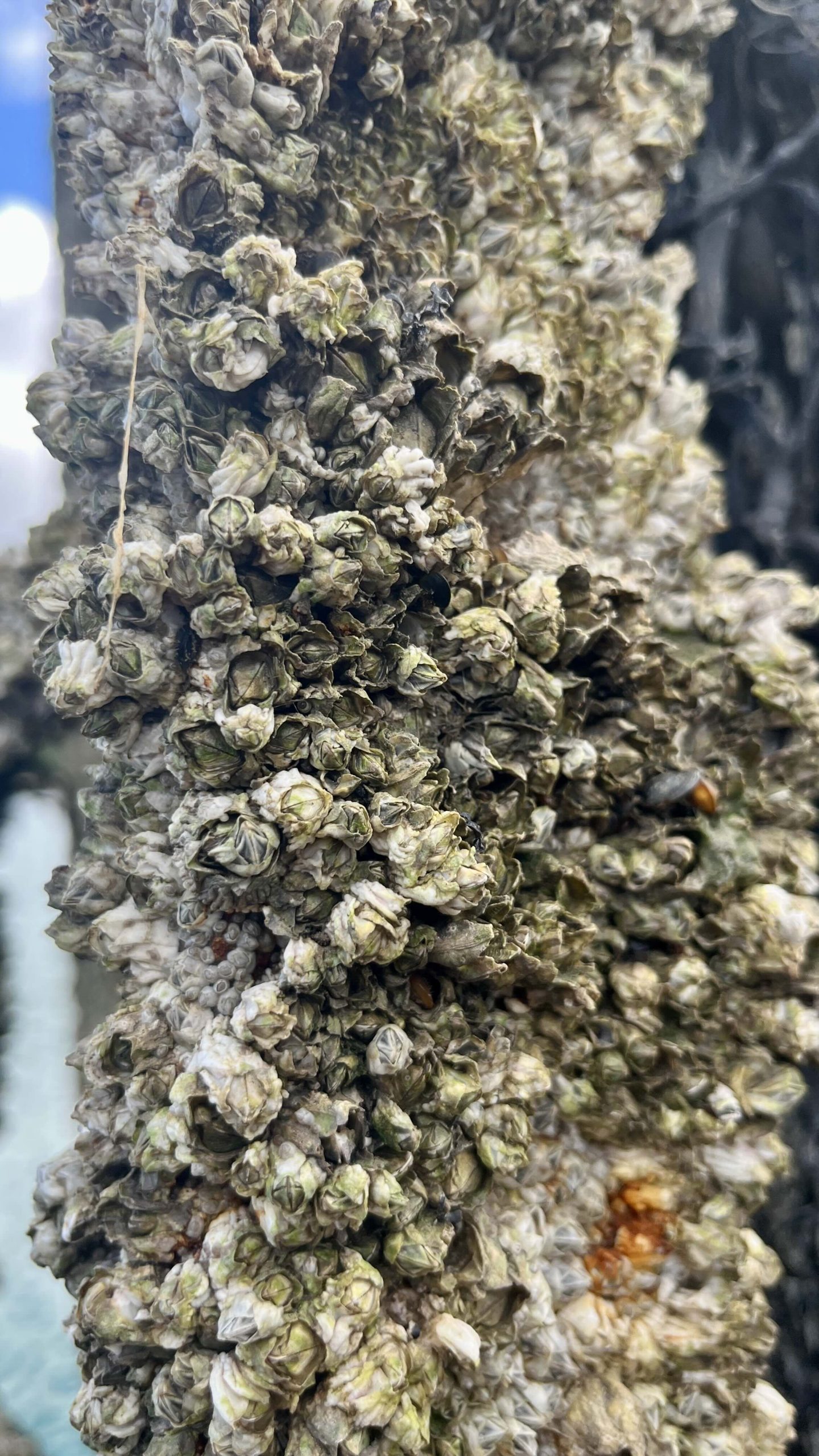
The people at the School of Ocean Sciences are just as welcoming as you can expect from the British. Everyone is willing to help, answer questions, and share ideas. The technical staff, Pete, Aled, and Steve, already provided invaluable support to me while I was planning and building the experimental mesh cylinder. Alice, a marine biologist who volunteers on the project, has also become a great help. Her expertise in identifying marine organisms perfectly complements my background in environmental engineering. My main supervisor, Svenja, and I meet regularly to discuss the progress of my work and solve the inevitable challenges that arise during a field experiment.
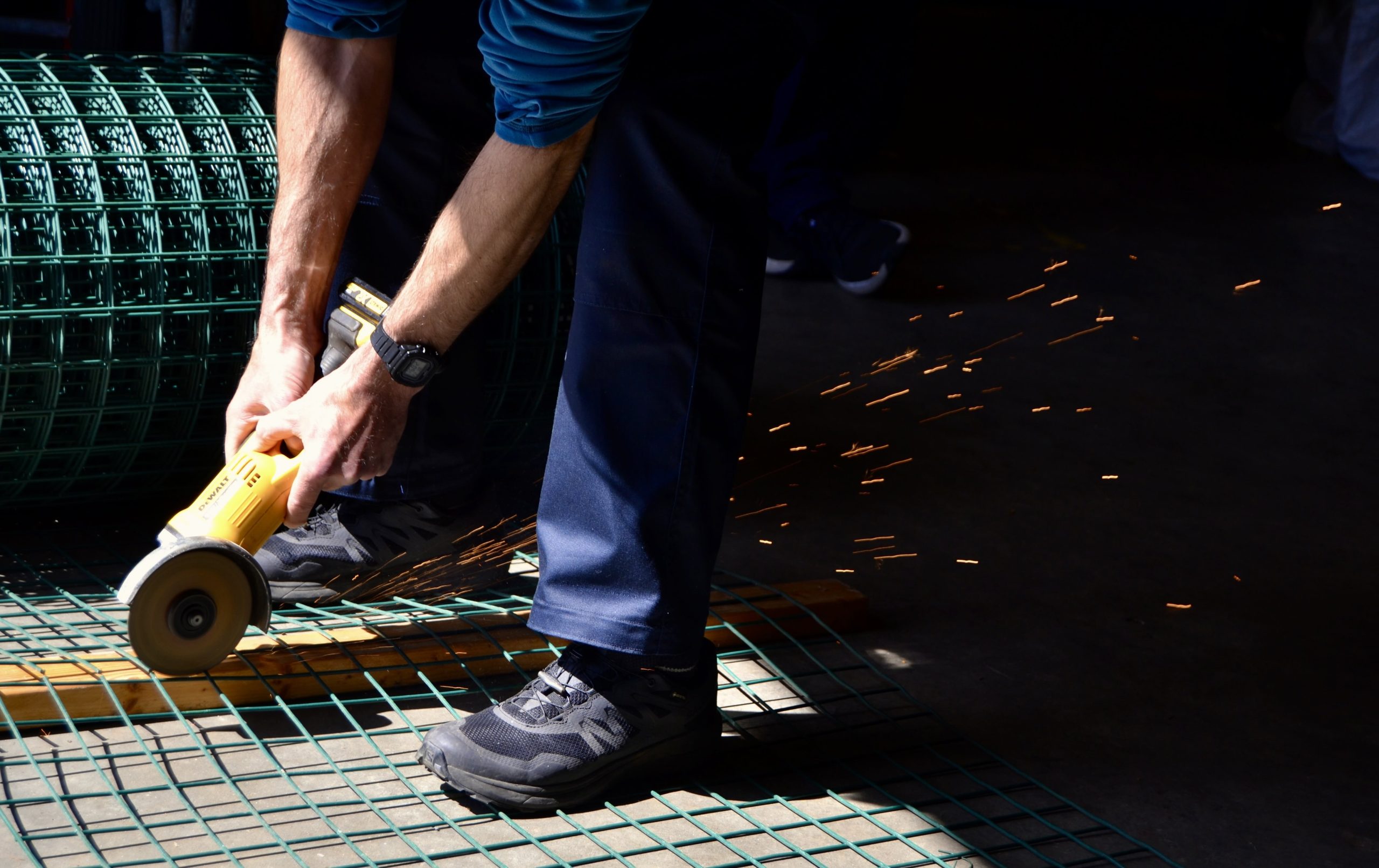
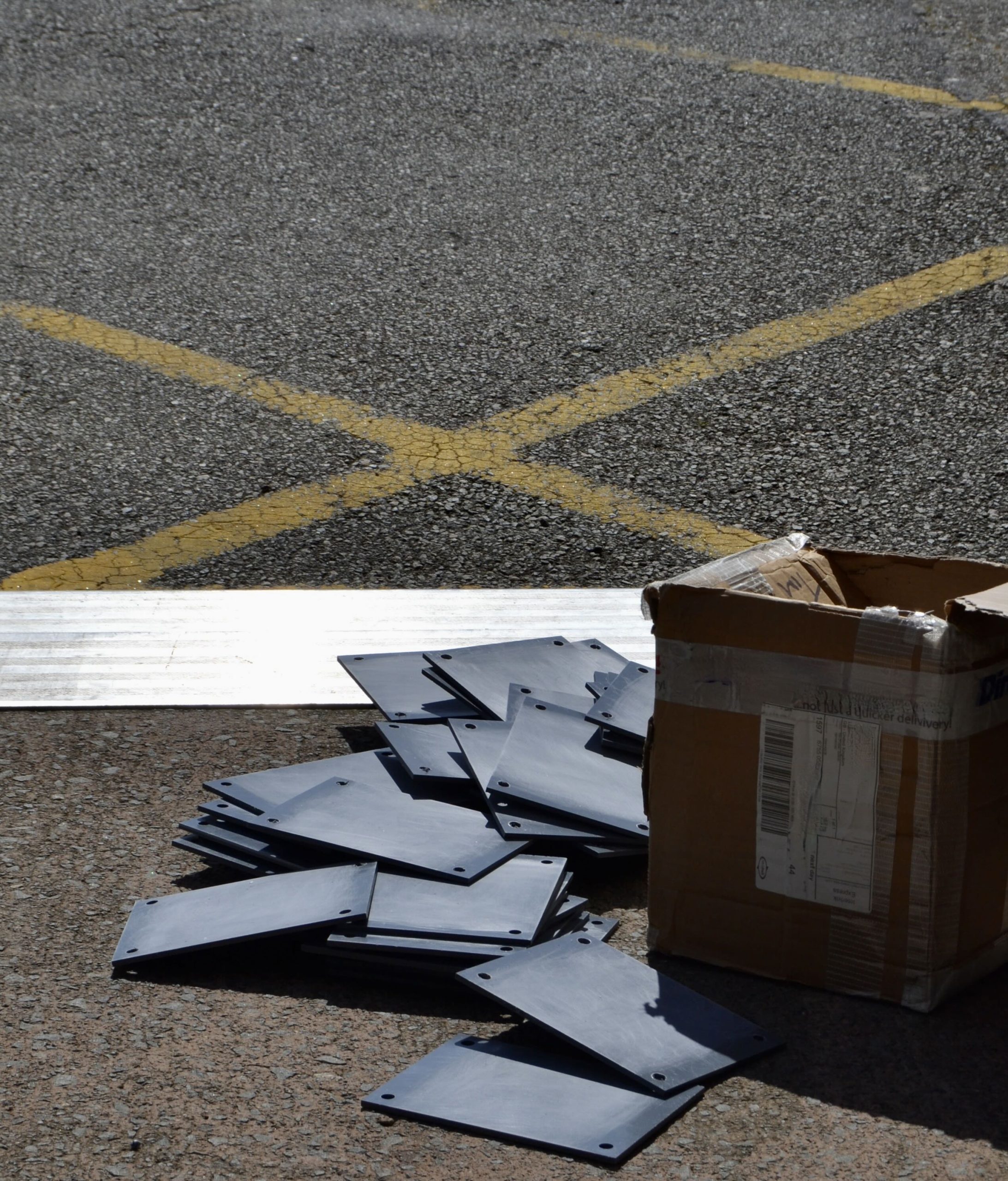
Speaking of challenges, I need to mention that, for me, this year’s GAME project is slightly different from the other participants’, as I do not have a team partner. This year’s project examines how underwater soundscapes, such as boat noise, or natural habitat sounds influence the species composition and abundance of sessile marine invertebrates. Each of the two active sound treatment levels plays at a specific temporal rhythm for 2 or 3 months, depending on site-specific restrictions. If there are two team members, then each chooses one of those treatment levels for their experiment. For comparison, there is always an additional treatment level, the ambient control. To ensure the project is feasible while maintaining research quality, I chose to focus on only two sound treatment levels: anthropogenic noise and the ambient background soundscape as the control. Hence, over the next three months, I will use underwater speakers to play back boat noise to simulate exposure to an anthropogenic soundscape at one of my two study sites. At the other site, no additional sound will be added to the existing ambient soundscape.
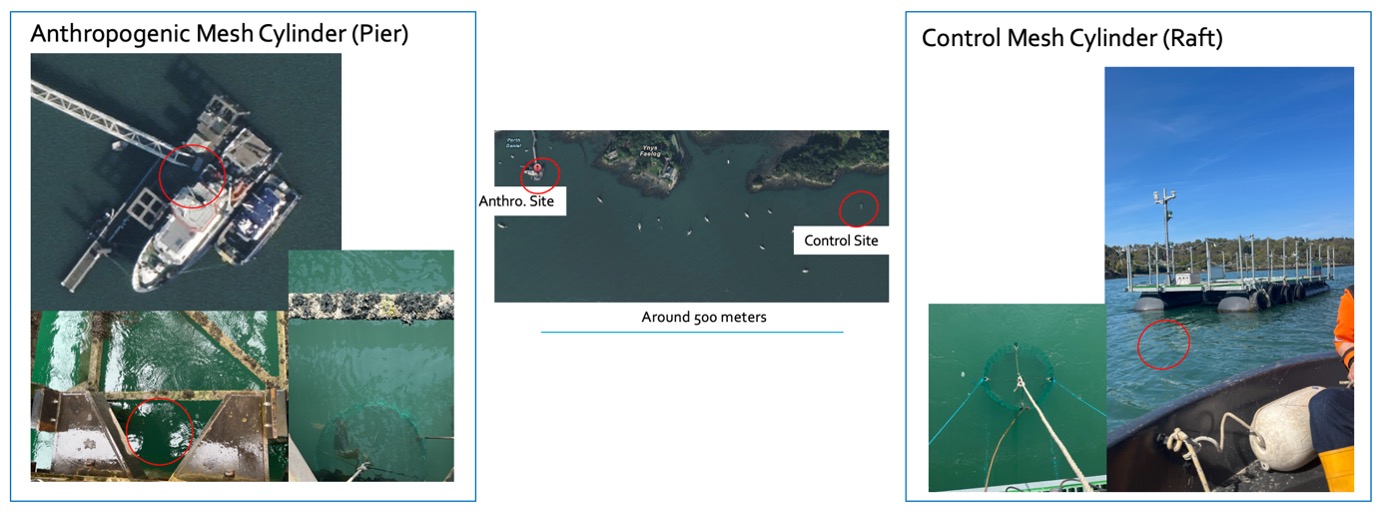
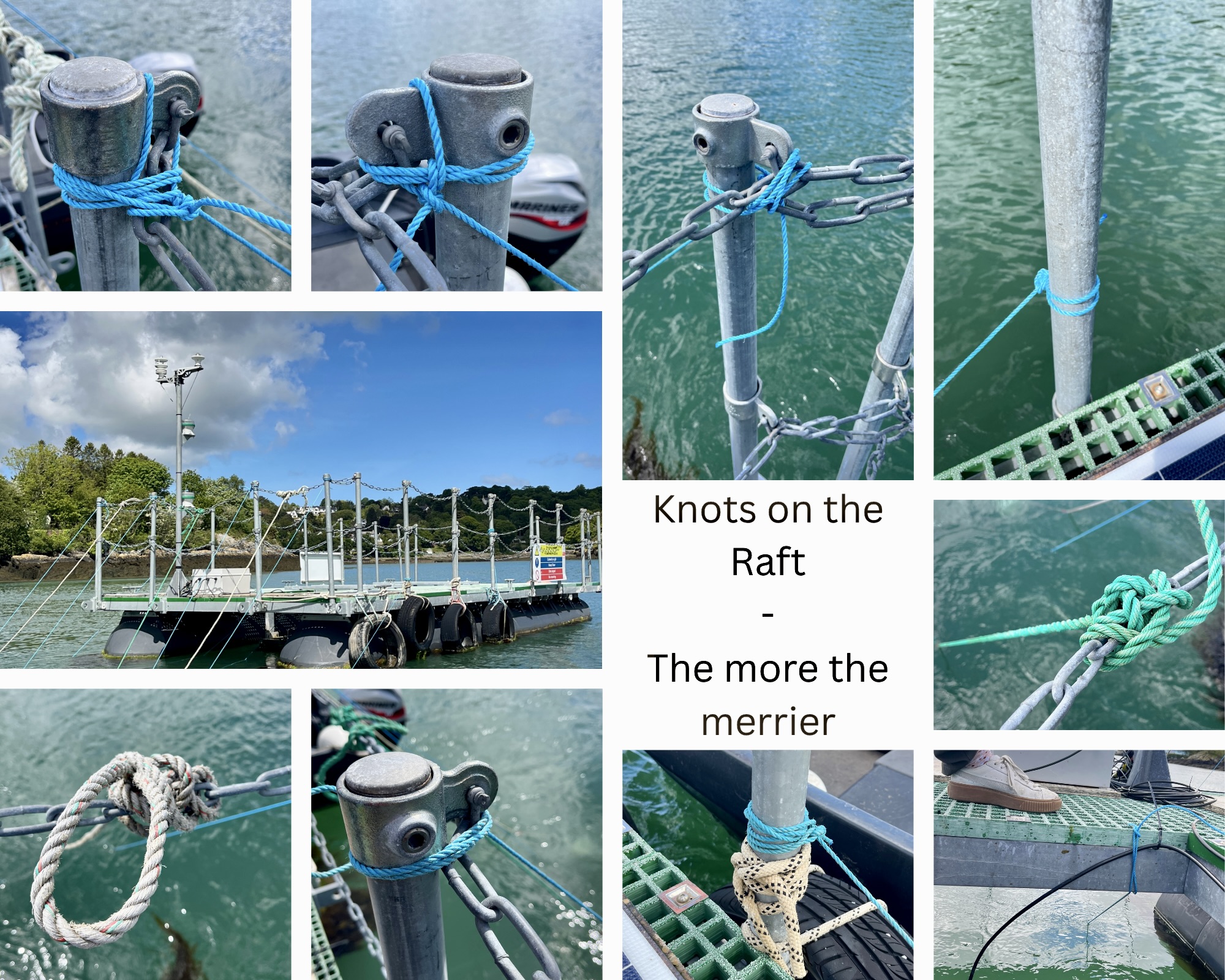
This experimental design allows me to examine whether differences in underwater sound conditions influence the settlement and growth of marine sessile organisms that attach to hard surfaces such as rocks or, as a substitute, settlement panels. My two experimental sites are located 500 meters apart to ensure acoustic isolation, meaning that the boat-noise playback will not influence colonisation at the Site of the Control Frame (Raft). However, as I am investigating whether boat noise influences community composition, it is essential to ensure that the two experimental sites do not differ substantially in their initial species pool. To assess this, I deployed larval-pool test panels for two weeks before the start of the experiment and identified the species that colonised them. Statistical analyses of these communities, together with information from previous studies conducted at the same locations and accounting for the unique tidal dynamics of the Menai Strait, enabled me to evaluate whether both sites experience comparable environmental conditions and larval supply.
The Menai Strait itself is shaping the local environment and is influencing the practical aspects of my research. Functioning as a channel that separates Anglesey from mainland Wales, it features tidal reversal. During these tidal shifts, water flows in opposing directions at different times, so that as the tide comes in, some water moves toward the strait’s central point. In contrast, simultaneously, other water recedes in the opposite direction as the tide goes out. This situation is comparable to a river that changes direction several times per day in response to the tides. But instead of being one river, the Menai Strait is more like two rivers that meet in the middle of the strait. Furthermore, the Menai Strait experiences some of the largest tidal ranges in the world, with a difference of up to 8 meters between low and high tide. On a personal level, I learned that misjudging the tidal schedule can make it difficult, or even impossible, to retrieve equipment, underscoring how closely the natural dynamics of the Menai Strait are intertwined with the day-to-day realities of conducting fieldwork here.
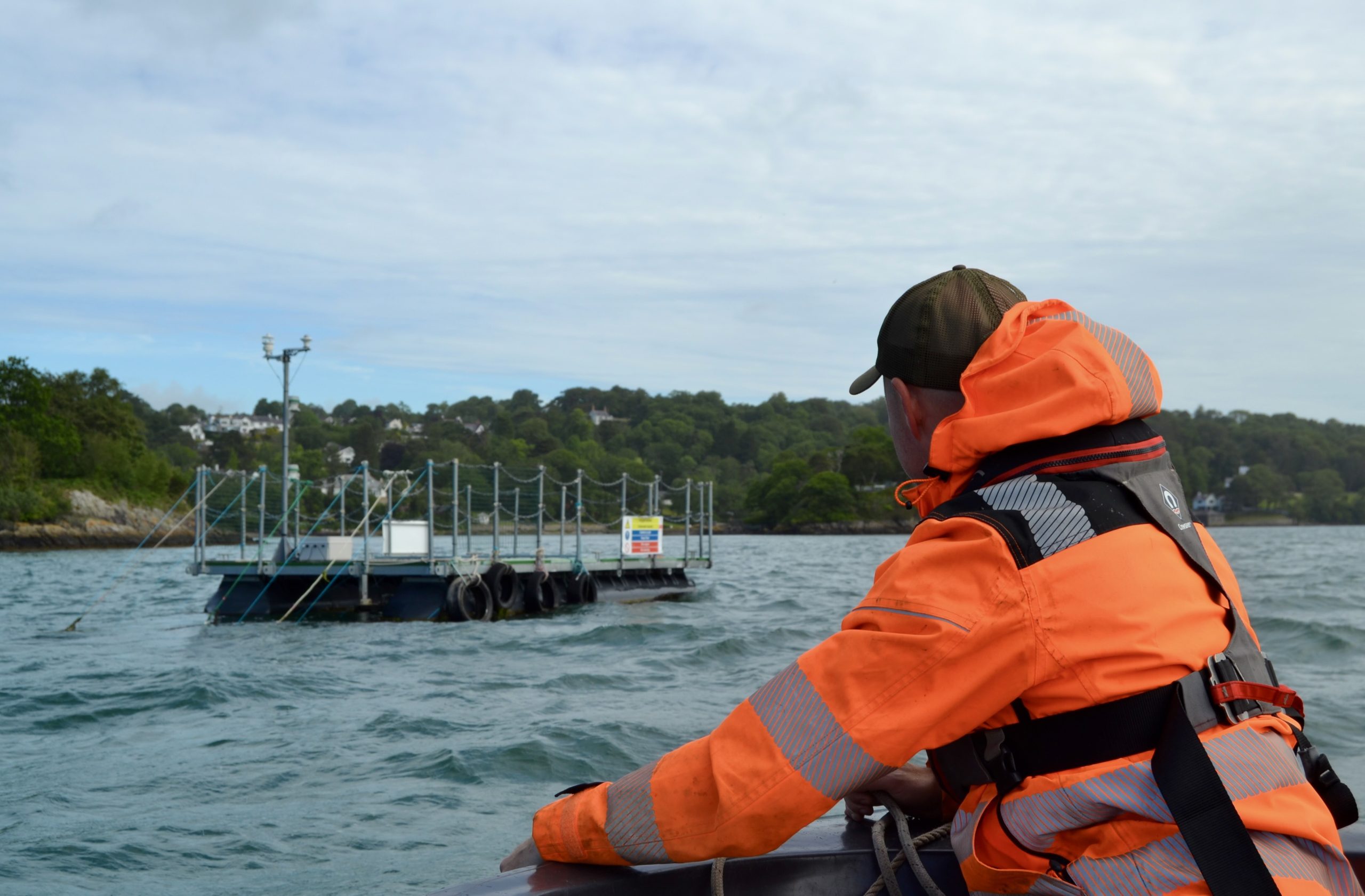
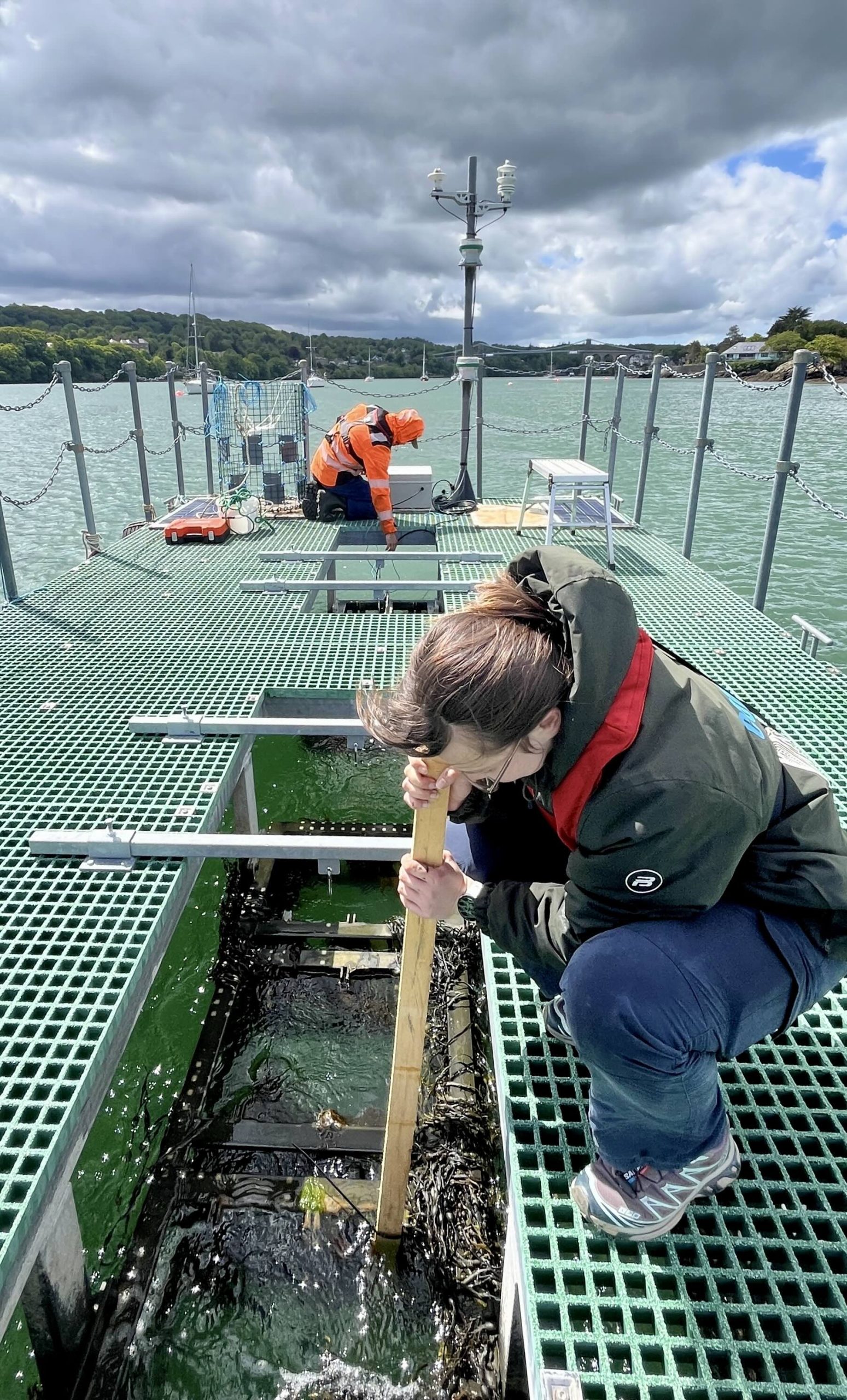
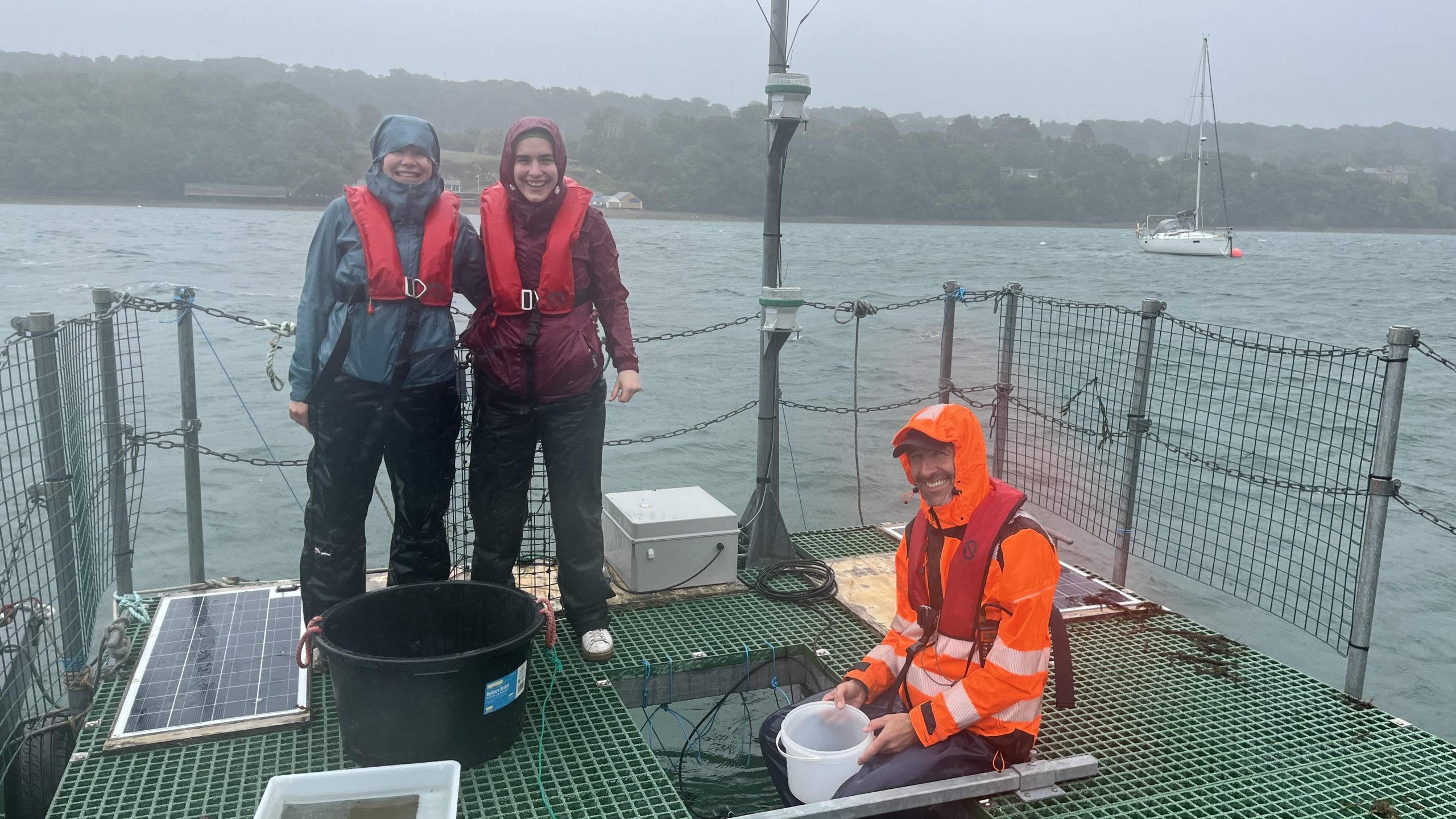
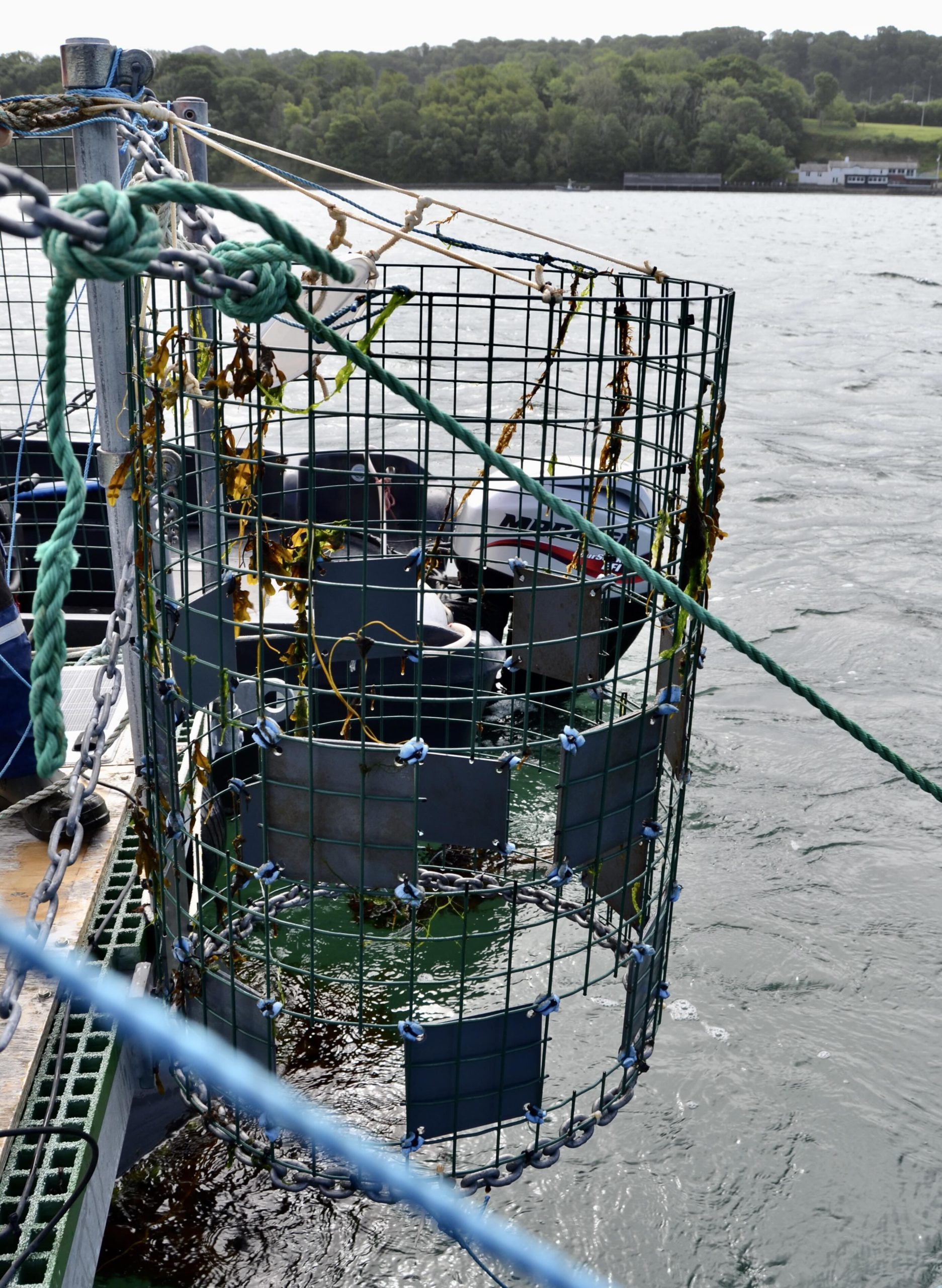
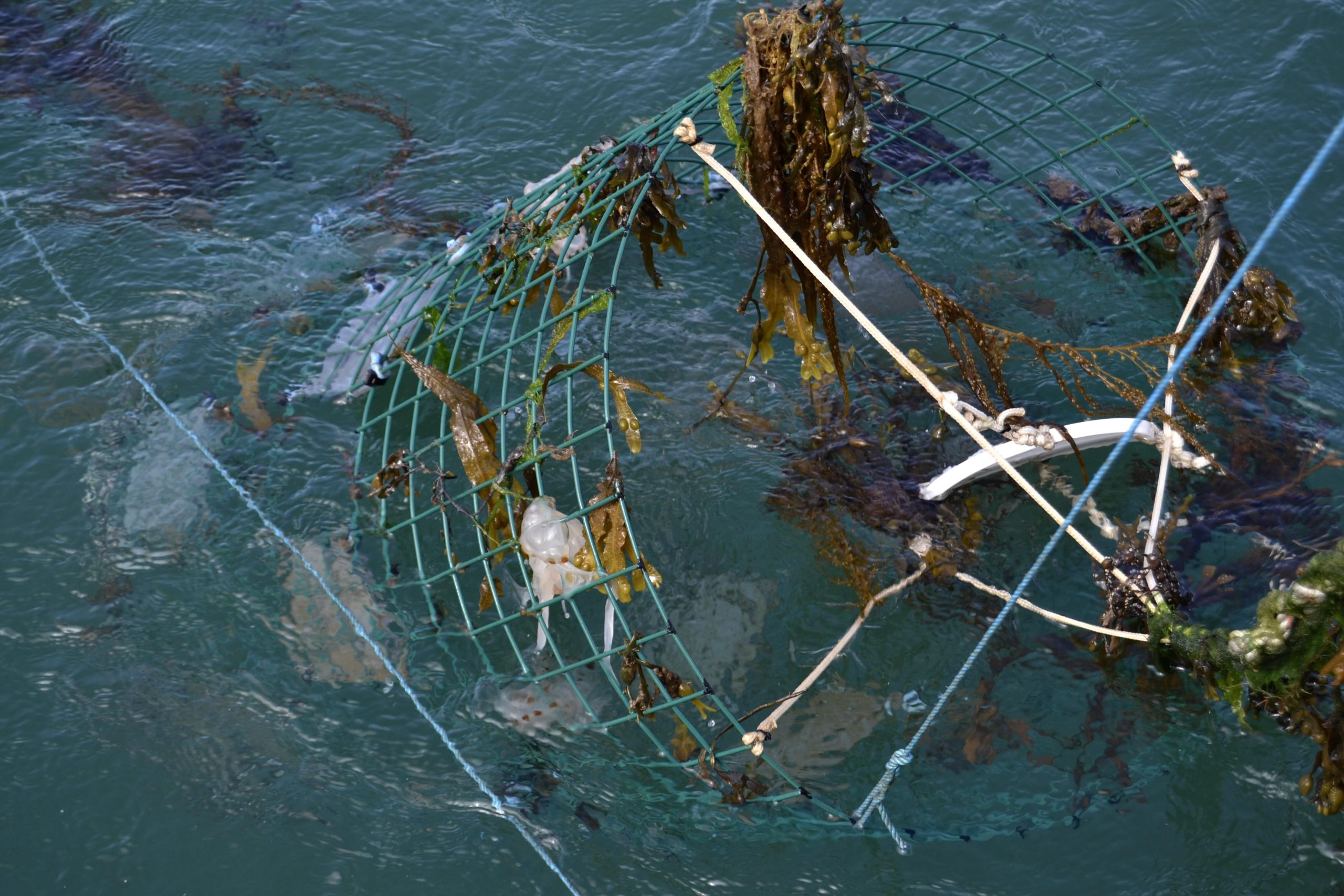
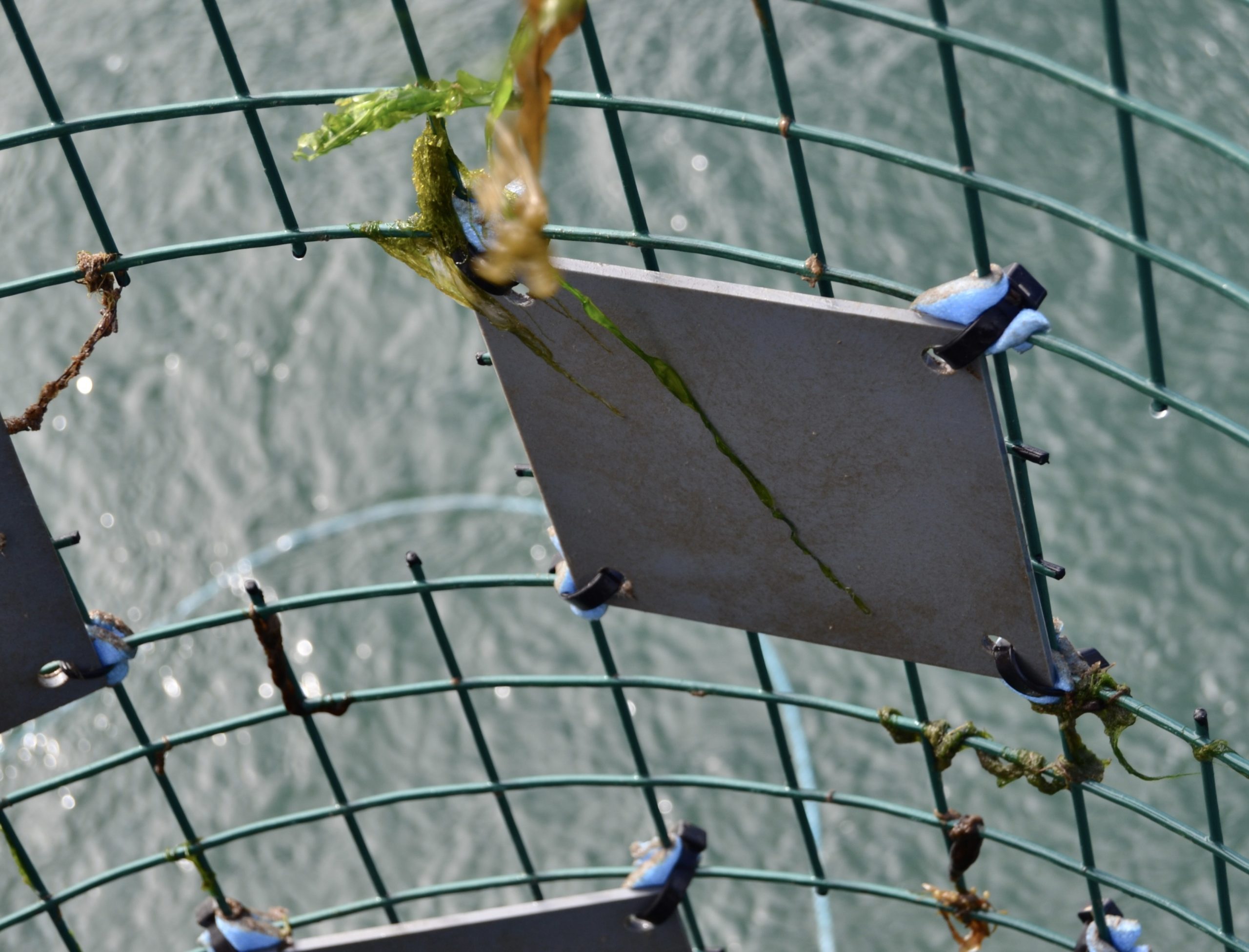
Alongside the sound experiment, I am deploying additional recruitment panels, which are replaced with empty panels every two weeks. The retrieved panels are transported to the laboratory, where Alice and I identify the newly arrived species. This tracks which colonisers are present in the water column at different times during the experiment, and it is always a surprise which new species are on the panels. One of the most rewarding aspects of the project is the opportunity to see ecological processes unfold over time. Looking at the small, settled organisms through the microscope is like peeking into another world. So far, the panels are full of tiny hydrozoans, barnacles, bryozoans and tunicates.
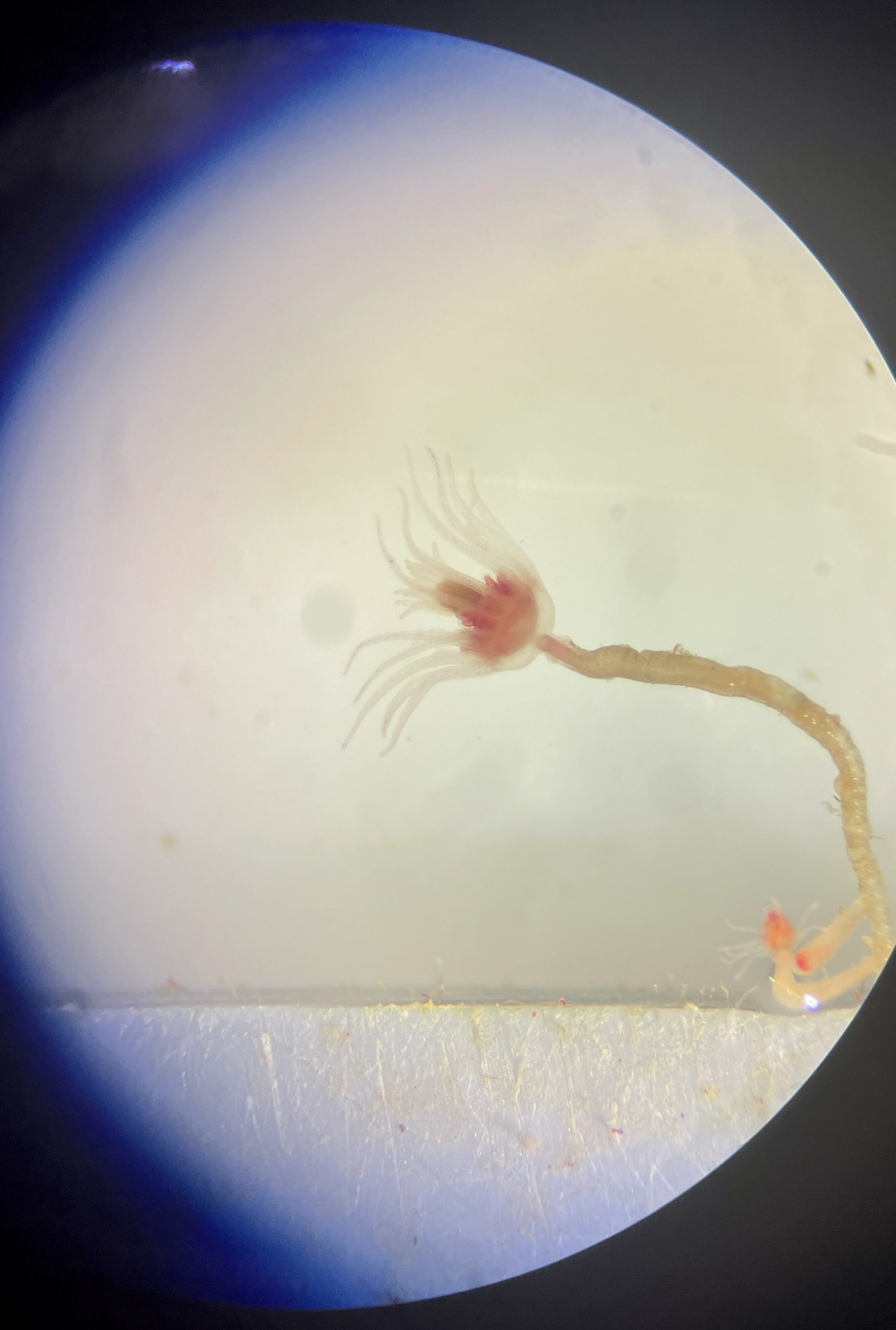
Being responsible for the experiment in Wales on my own gives me many opportunities to learn and grow as a scientist. I have gained experience in logistics planning, organising fieldwork around tidal cycles, constructing equipment, processing samples, and managing acoustic and biological datasets. I never thought there would be so much planning required for a single site-specific experiment, especially since the theoretical preparation had already been completed during the course in Kiel. Nevertheless, this experience has left me with a long to-do list and many opportunities for further learning. One advantage is the opportunity to work closely with other team members on the GAME project and engage in meaningful exchanges. Whether discussing similar or contrasting challenges, finding solutions, or sharing personal experiences, it is important to both offer advice and share your experience working on an international project, just as much as you receive guidance from others.
At the moment, the experiment is fully underway. The mesh cylinders are in the water, the sound playback is running, and the first settlement panels have been analysed. Over the next few months, I will analyse species, check the sound system, and try to start writing my master’s thesis. Wish me and my little invertebrate’s luck!
I am enjoying life in Wales, learning some new things every day, about British history and environment, and trying to make it up Bangor’s hill. Between the strong tides, the endless shades of green and the ever-changing skies, it is hard not to enjoy the nature of the north of Wales.