Climate Change
The war on Iran exposes the real cost of plastics
(and why it matters for the Global Plastics Treaty)
Originally posted by Greenpeace International.
The gravest consequences of the war are borne by people in Iran and across the region: lives lost, families displaced and essential infrastructure damaged. Its fossil fuel shock has also carried economic consequences far beyond the battlefield.
The war on Iran triggered an oil market crisis that sent shockwaves far and wide, and some consequences are still unfolding. Impacts rippled beyond energy and transport into shops and supermarkets, pharmacies and homes. People everywhere are still paying.
Nearly everything we buy, from shampoo bottles to strawberry packaging, is made from or with petrochemicals, wrapped in plastic, or both. But it does not have to be, and most people do not want it to be.
The war exposed a hidden risk in the plastics economy. Plastic depends on fossil fuel feedstocks and global petrochemical supply chains. When oil and gas supplies are disrupted, the cost and availability of packaging, medical supplies and everyday goods are disrupted too. Households, public services and communities ultimately pay.
The war has changed the terms of the debate around the Global Plastics Treaty. It has revealed the real costs of being tethered to the plastics supply chain. At the next round of treaty negotiations, governments have a choice. They can lock in deeper vulnerability to future price and supply shocks, or build economies resilient enough to withstand them.
Here are six things the conflict has shown us.
1. Plastic supply chains are vulnerable to fossil fuel shocks

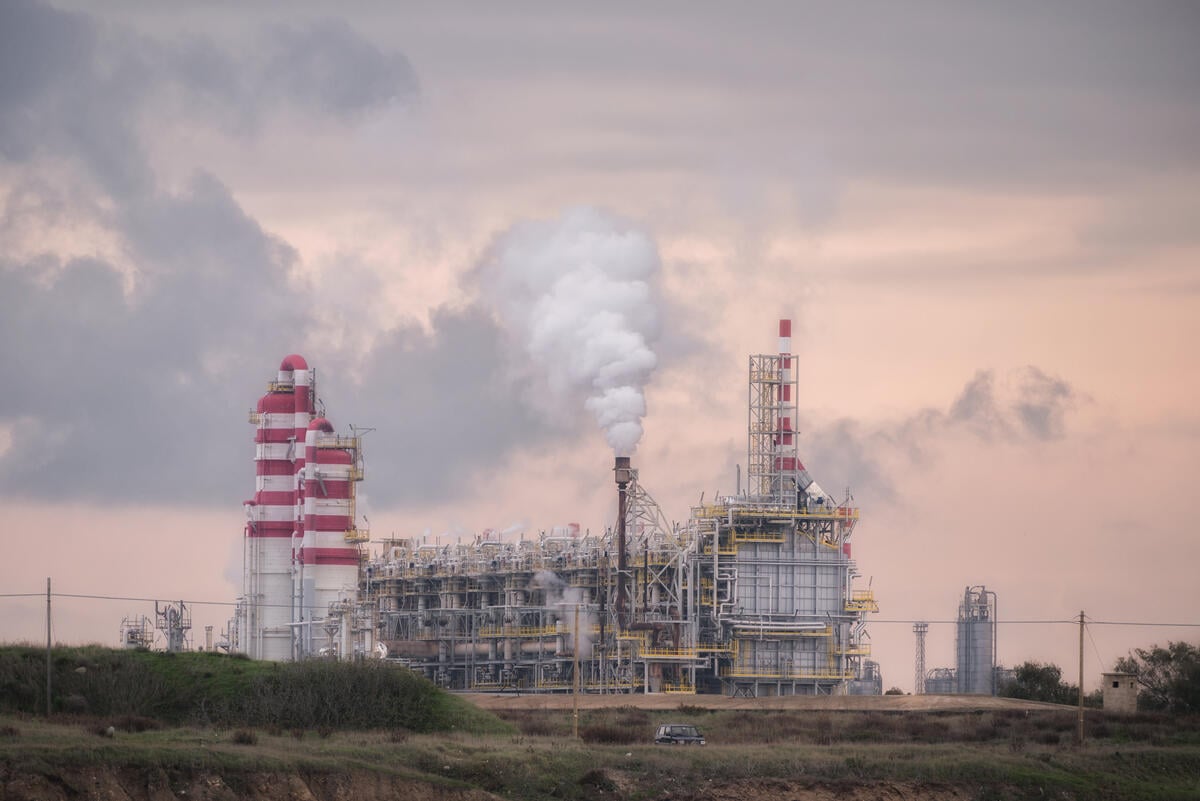
The war disrupted plastic production, imports, and exports at once, sending costs soaring worldwide. Formosa Petrochemical Corp (FPCC), one of the world’s largest plastic producers, was forced to declare force majeure. This is a legal term meaning it could not meet contractual obligations because of circumstances beyond its control.
In Japan, polyethylene production, a plastic widely used in shopping bags and packaging, reportedly fell 62% in March. Shortages then spread from factories to supermarket shelves.
The fallout reached beyond supply chains to hospitals, where South Korea had toban the hoarding of medical syringes. It reached household cupboards, where the price of body wash reportedly climbed 7.7% in a matter of weeks. It also reached children’s toy boxes. A US-based soft-toy manufacturer said its supplier in China had cited material cost increases of 10% to 15% within three weeks of the war starting.
Petrochemicals go into more than 6,000 everyday products, according to the US Department of Energy. The question is not whether every one of these products can change overnight. It is how many uses can be reduced, redesigned or replaced with safer, non-fossil-fuel alternatives.
2. The crisis created winners and losers
This conflict revealed new pressure points for countries whose industries depend heavily on plastics and petrochemical feedstocks. According to South Korean media, naphtha import prices rose 68% in a single month, while small and medium-sized manufacturers reported material shortages and cost increases of more than 20%.
As some producers were forced to scale back, China saw the conflict as a way to move beyond years of oversupply and low margins. Its own efforts to curb destructive overcapacity and price competition had struggled to resolve this problem. It increased exports to Asian markets, used accumulated inventory, ramped up idle capacity and absorbed demand left by disrupted competitors. One industry analyst has described this as a potentially lasting shift in market share.
Meanwhile, the US turned the same crisis into a windfall. Ethane-fed plants were less exposed to disruption at the Strait of Hormuz and kept input costs lower even as global prices climbed. Producers raised prices as markets tightened.Dow raised North American polyethylene prices by 10 cents a pound in March, then 15 cents in April, before doubling that increase days later. Another increase was announced in August.
LyondellBasell said its second-quarter earnings, excluding unusual items, rose nearly 600% year on year to US$1.4bn. Dow swung from a loss to a profitwithin a few quarters of the war’s start. This was not simply a story of market adjustment. Companies with less exposure to naphtha supply disruptions were better positioned to profit while producers and communities elsewhere absorbed the risks.
The benefits and harms of the petrochemical economy are not distributed fairly. Communities near extraction, refining and petrochemical facilities often carry pollution and health burdens, while countries dependent on imported fuel and feedstocks are exposed to prices they cannot control.
3. Households, public services and communities bear the costs


According to NielsenIQ data reported by Reuters, grocery prices in the US rose 2.9% year on year in the four weeks from the start of the war to 28 March. The same data showed bottled-water prices rising 5.8%, while nappies, pads and tampons, all of which contain plastics, rose by between 2% and 6%. School lunchboxes rose by more than 26%, the biggest increase of any school item, according to retail data.
Synthetic footwear could also become more expensive. With roughly 70% of synthetic shoe materials derived from petrochemicals, industry analysts project prices could rise by another 1.5% to 3% by late summer and autumn.
In Taiwan, the price of a basic plastic bag more than doubled, and Costco reportedly had to ration the number of food storage bags a single customer could buy. Companies and governments made the decisions that left economies exposed to this crisis, but it was ordinary people who paid for it. They paid through petrol, public transport, food, household goods and essential supplies.
The impacts are not shared equally. Lower-income households, small businesses, informal workers and countries reliant on imported fossil fuels and petrochemical feedstocks have far less room to absorb higher costs or shortages of essential goods.
4. Some governments are choosing reuse and resilience
In March, just weeks into the conflict, South Korea’s president, Lee Jae Myung, told his cabinet that the country’s deep reliance on petrochemicals made it difficult to predict where the next disruption would hit. He warned it ‘poses a serious threat to people’s daily lives’.
By April, he had moved from emergency response to longer-term reform, calling for a ‘plastics-free economy’. Taiwan’s government expanded reuse infrastructure to build a more resilient economy and reduce exposure to market fluctuations.
The lesson is not that scarcity or rationing is desirable. It is that planned, publicly supported reuse and reduction systems can protect people better than an economy dependent on volatile virgin plastic supply chains.
The question is whether enough governments act in time to avoid the next shockwave.
5. Reuse and reduction can work at scale


Industry has long argued that plastic is too convenient, too cheap and too embedded in everyday life to be meaningfully cut back. But when Taiwan’s plastic bags suddenly became scarce, the country continued to function. Retailers adjusted, the government expanded reuse programmes, and people brought their own bags.
As virgin plastic prices climbed, French retailer Carrefour committed to removing 5,000 tonnes of plastic from its packaging through refill formats and packaging reductions. It said it would pass the savings on to customers through lower prices.
This does not mean responsibility should fall on individuals. It means governments and businesses can build systems that make reuse, refill and less packaging easy, accessible and affordable.
Single-use plastic is embedded in retail systems, but it is not as indispensable as the industry claims. Cutting back is possible, and it can reduce costs as well as pollution.
6. Without structural change, the next shock is inevitable

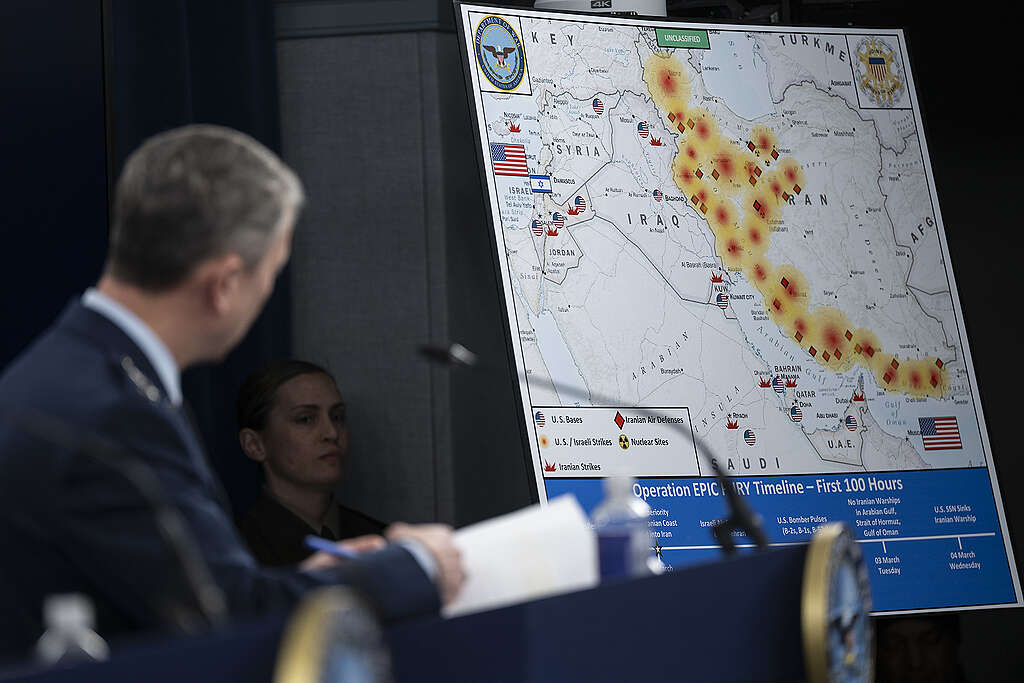
The conflict is not over, and even when it is, disruptions will come again. A similar pattern played out in 2021, when the Ever Given blocked the Suez Canal for six days, disrupting global trade and adding to existing pressures on plastics supply chains.
Exposure is also set to grow. The IEA predicts that plastics and petrochemicals are on track to become the single largest driver of growth in global oil demand through 2050.
Plastic producers are not separate from the fossil fuel economy. Petrochemicals are made from fossil fuel feedstocks, so continued growth in virgin plastic production deepens demand for oil and gas. It also locks communities and economies into exposure to future price shocks.
At the next round of Global Plastics Treaty negotiations, governments have a critical opportunity to cut dependence on fossil fuels, reduce the health harms caused by plastics and build systems more resilient to the next disruption.
A binding treaty that meaningfully cuts plastic production is not only a win for public health, ecosystems and the climate. It could be a turning point for economic security, geopolitical stability and the resilience of the systems we all depend on.
A Global Plastics Treaty can help break the cycle

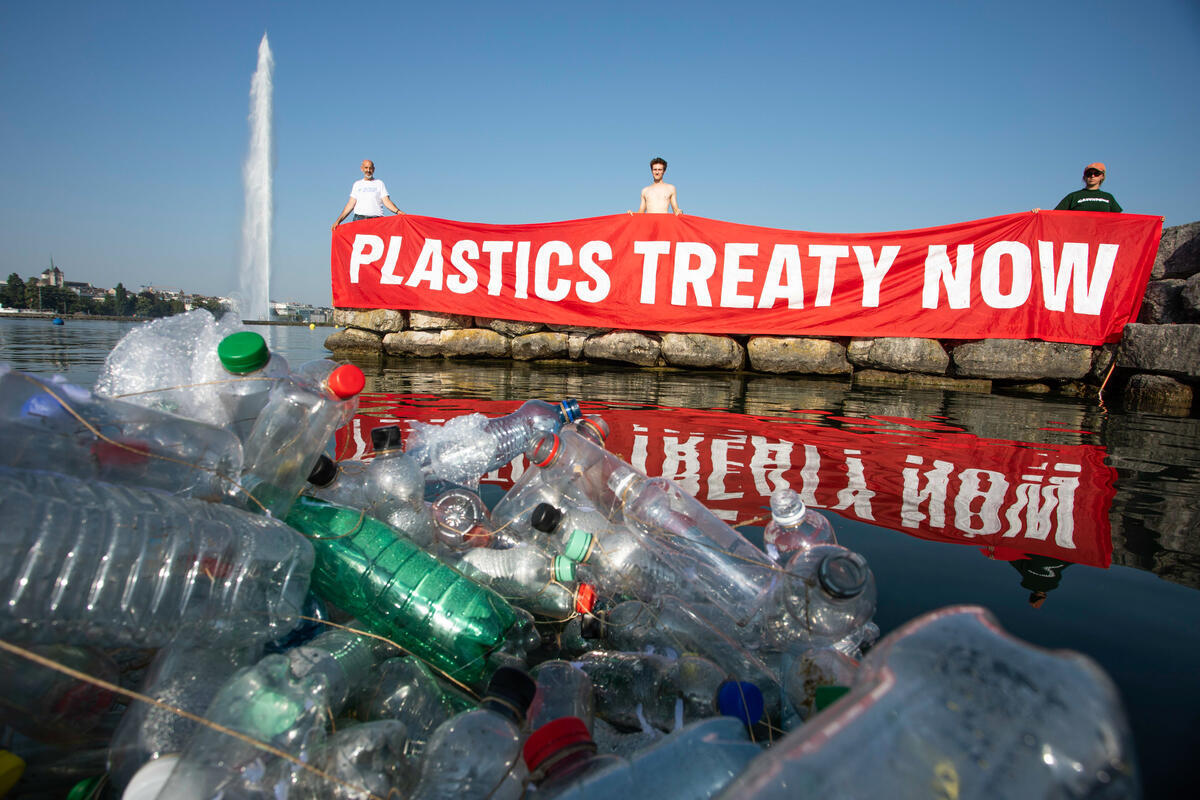
The lesson of the war on Iran is not that people should learn to live with shortages. It is that economies built around fossil fuels and ever-growing virgin plastic production are exposed to shocks they cannot control.
A strong, binding Global Plastics Treaty can help change that. By cutting plastic production, expanding accessible reuse systems and supporting a just transition away from fossil fuel dependence, governments can reduce pollution and help protect people from the next price shock.
Governments should protect people now while reducing future exposure. They should support reuse systems, invest in accessible refill and public services, and shift public investment away from fossil fuel and petrochemical expansion.
The people and communities least responsible for this system should not be the ones left paying for it. Governments must put public wellbeing, resilience and a liveable future ahead of the profits of fossil fuel and petrochemical companies.
For a more in-depth analysis, read our brief.
Lindsey Jurca is a Senior Plastics Campaigner at Greenpeace USA.