Climate Change
The good, bad and downright whacky at COP31
Having been to more than my share of UN climate summits, I can tell you that they showcase both the best and worst of humanity. On the one hand, the willingness of every country on Earth to come together and sit at the same table despite their differences. On the other, our seeming total inability to agree and move forward together. At least at anything like the scale and pace the now existential global climate crisis demands.
Nonetheless, this cumbersome and often painful process remains an essential part of the world’s response to climate change. As we enter the final days of negotiations here in Antalya, and before we deliver you a final verdict, let’s recap some key moments of the last two weeks.

It’s make or bake time
The week began with a blistering call from outgoing UN Secretary General Antonio Guterres to “tell the truth”.
“The brutal truth is that the climate crisis is outrunning us,” said Guterres.
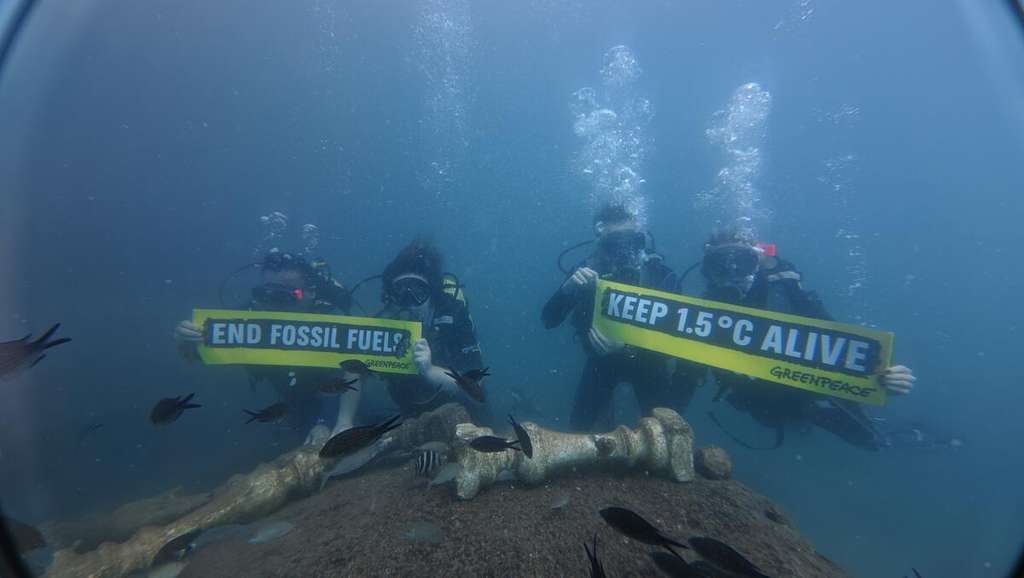
“It’s make or bake time,” he added. “And fossil fuel interests keep making a killing… while killing our planet.”
The solution? Phase out fossil fuels, protect people, and make polluters pay. More on that later.
Guterres also paid tribute to the frontline communities, young people, scientists and Indigenous peoples who “have been standing up to some of the most powerful monied special interests in our world today”. Hear, hear!
The F word
Cut to Wednesday and it was Australian Prime Minister Anthony Albanese’s turn to bring the vision and urgency that COP31 needs.
“We sought this role because we wanted to speak for the people of the world who need urgent action,” began the Prime Minister. He went on to mention the Pacific nine times, including reading a message from a young student in Tuvalu. He did not mention fossil fuels once. We’ll let you be the judge of that performance.

Pacific pawa
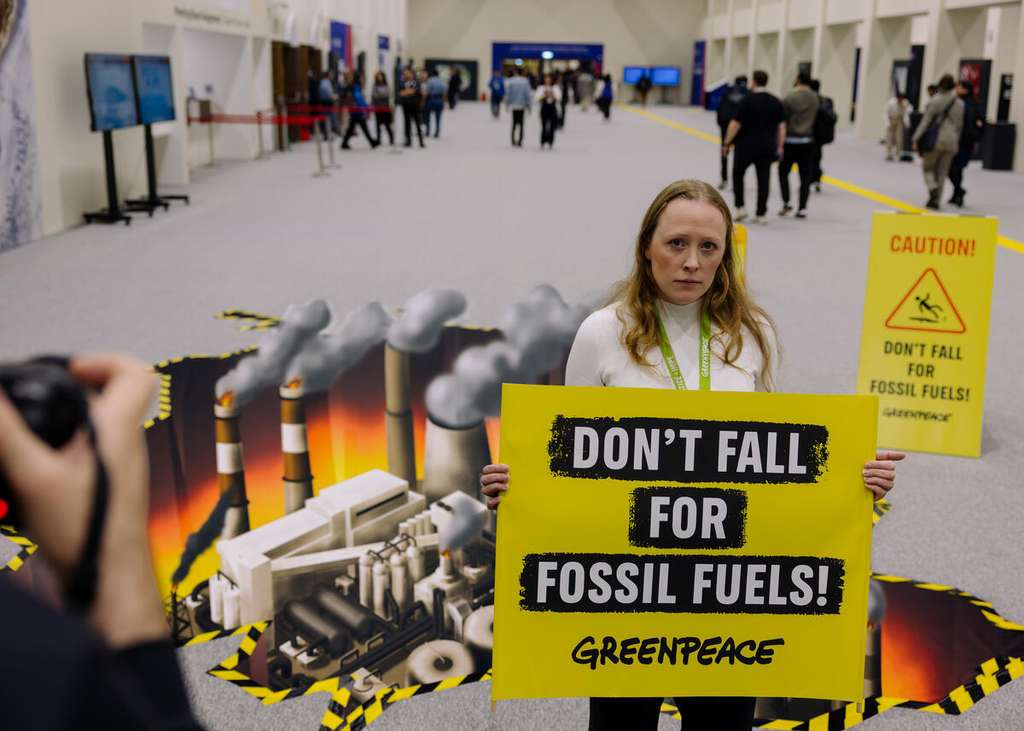
Thankfully there is no shortage of powerful voices of the Pacific, and of First Nations and local communities from around the world here in Antalya. They are the heart and conscience of these negotiations: holding the line on limiting warming to 1.5°C, leading with joy, and showing the way with practical solutions.
Seeds of progress
Back to Australia and the start of week two saw us sign an agreement with South Korea, one of our biggest trade partners, saying we are going to work together on shifting our energy systems and industries beyond fossil fuels. Now this was something to celebrate!
For half a century, the relationship has run on iron ore, coal and gas. Today, Korea, including its steelmakers, is determined to move beyond fossil fuels, and Australia has the clean energy they need.
The agreement recognises that our world is changing; that those countries who buy our fossil fuels will not do so for much longer, that Australia needs a plan to support communities likely to be affected by this transition, and that import-export partners need to work together to solve the challenges they cannot solve alone. The two countries say they hope this model of cooperation becomes an example for broader international cooperation.
Collateral damage
The fault line at the heart of any COP is finance. The fossil fuel era has led to an enormous concentration of wealth, with some countries profiting enormously from the burning of fossil fuels while others bear the brunt of climate damage. That wealth now needs to be redistributed to enable ‘less developed’ countries to transition to clean energy and build their resilience to the growing impacts of climate change.
Countries are also working at this COP to establish a new ‘Just Transition Mechanism’, designed to help ensure that workers and communities are adequately supported through the transition away from fossil fuels, rather than being left to face the challenges alone.
Right now the negotiations on climate finance feel well and truly stuck. The European Union is chief among those demanding stronger commitments to keeping 1.5°C alive and ending fossil fuels but refusing to yield to any finance demands. The losers in this standoff, as always, as the world’s most vulnerable countries and communities.
Crunch time
This year Australia, as President of Negotiations, took on the responsibility of stewarding global climate cooperation through a moment of major upheaval: shifting global power dynamics, an energy crisis brought on by fossil fuel dependence, and escalating heat, floods and fires due to the burning of coal, oil and gas.
The Government has hedged its bets on landing a new global commitment on electrification — a critical component of moving our energy and industrial systems beyond fossil fuels. A strong global electrification commitment that is tied to the goal of limiting warming to 1.5°C and genuinely displaces fossil fuels will be a meaningful outcome, and proof that even in these fractured times, multilateral climate cooperation is alive. But will the myopic focus on a flagship electrification goal have led Australia to drop the ball on other crucial issues, from unblocking the aforementioned finance negotiations to landing the Just Transition Mechanism? We will know soon!