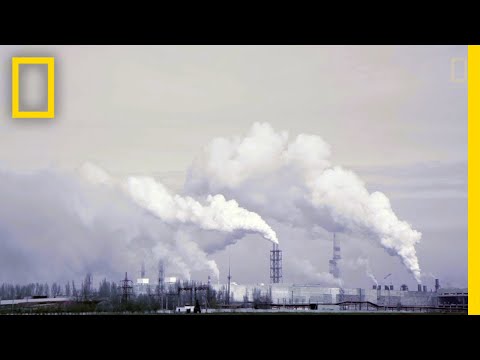
Climate Change
The Devastating Effects of Climate Change

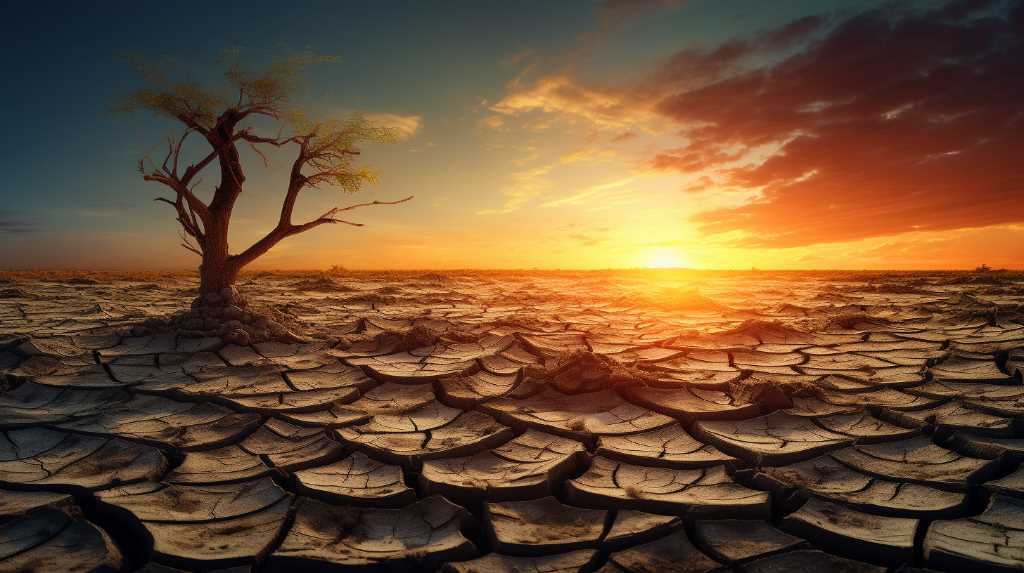

Are you aware of the devastating effects of climate change?
It’s causing extreme weather events, such as hurricanes and wildfires, that threaten lives and homes.
Droughts and floods are becoming more frequent, disrupting ecosystems and agriculture.
Heatwaves and high temperatures are becoming the new norm, putting human health at risk.
Species are going extinct, and biodiversity is being lost at an alarming rate.
Furthermore, food and water scarcity are becoming increasingly common.


Climate change is affecting you, and it’s time to take action.
Key Takeaways
- Extreme weather events such as hurricanes, tornadoes, and floods cause destruction, displacing communities and costing billions of dollars in rebuilding efforts.
- Droughts and floods lead to failed crops, food shortages, and economic instability, while also disrupting ecosystems and causing water scarcity.
- Heatwaves pose serious risks to human health, exacerbate air pollution, and cause damage to ecosystems, including crops and wildlife habitats.
- Climate change threatens biodiversity and species extinction, disrupting delicate balances in ecosystems and impacting food security, water availability, and overall stability.
Extreme Weather Events
Extreme weather events can wreak havoc on communities and infrastructure. When hurricanes strike, homes are destroyed, leaving families homeless and vulnerable. The strong winds and heavy rainfall can cause widespread flooding, making roads impassable and cutting off access to essential services. Power outages are common, leaving people without electricity for days or even weeks.
Tornadoes can tear through neighborhoods, demolishing buildings and uprooting trees. The destruction caused by these extreme weather events not only disrupts daily life but also poses significant risks to public safety. Emergency services are stretched thin, struggling to respond to the overwhelming demand for help. Rebuilding after such disasters can take years and cost billions of dollars.
It’s crucial to take action against climate change to mitigate the frequency and intensity of these devastating events.
Droughts and Floods
Are you aware of the devastating impacts that droughts and floods, caused by climate change, have on communities and ecosystems?
These extreme weather events are becoming increasingly frequent and severe, wreaking havoc on both human lives and natural habitats.
Droughts, characterized by prolonged periods of little to no rainfall, have dire consequences for agriculture, leading to failed crops, food shortages, and economic instability. They also exacerbate water scarcity, leaving communities without access to clean drinking water.

On the other hand, floods, caused by heavy rainfall or melting ice, result in widespread destruction, displacing millions of people, damaging infrastructure, and contaminating water sources.
Both droughts and floods disrupt ecosystems, leading to the loss of biodiversity and the destruction of fragile habitats.
It’s imperative that we take action to mitigate climate change and protect our communities and ecosystems from these devastating impacts.
Heatwaves and High Temperatures
As temperatures continue to rise due to climate change, you’ll experience increasingly frequent and intense heatwaves, posing serious risks to both human health and ecosystems.
Heatwaves, defined as prolonged periods of excessively hot weather, can have devastating consequences. The scorching temperatures can lead to heat-related illnesses, such as heat exhaustion and heatstroke, especially among vulnerable populations like the elderly and young children. High temperatures can also exacerbate air pollution and worsen respiratory conditions, such as asthma.
Furthermore, heatwaves can cause significant damage to ecosystems, including the destruction of crops, forests, and wildlife habitats.
The increased frequency and intensity of heatwaves due to climate change require immediate action to mitigate their harmful effects and protect both human and environmental health.

Species Extinction and Biodiversity Loss
To fully grasp the devastating effects of climate change, you must understand the alarming rate at which species extinction and biodiversity loss are occurring.
Climate change has become a major threat to the world’s biodiversity. Rising temperatures, habitat destruction, and changes in rainfall patterns are causing species to struggle to adapt and survive.
The Intergovernmental Science-Policy Platform on Biodiversity and Ecosystem Services (IPBES) warns that approximately one million species are at risk of extinction in the coming decades if we don’t take immediate action.
This loss of biodiversity not only affects the natural world but also has far-reaching consequences for human society. Ecosystems rely on a diverse range of species to function properly, and the loss of these species can disrupt delicate balances, leading to cascading effects on food security, water availability, and overall ecosystem stability.
It’s crucial that we prioritize conservation efforts and work towards mitigating climate change to protect the incredible diversity of life on Earth.
Food and Water Scarcity
The devastating effects of climate change extend beyond species extinction and biodiversity loss to include the alarming issue of food and water scarcity.
As the planet warms, changing rainfall patterns and increased evaporation rates have a significant impact on agricultural productivity and water availability. Crop yields are declining due to extreme weather events such as droughts, floods, and heatwaves, leading to food shortages and price hikes.

Additionally, rising temperatures affect water sources, causing rivers, lakes, and groundwater reserves to dry up. This scarcity of water not only affects agriculture but also poses a threat to human health and sanitation.
Without access to clean water and sufficient food, communities are left vulnerable to malnutrition, disease, and even conflict as competition for resources intensifies.
Urgent action is needed to mitigate the effects of climate change and ensure a sustainable future for food and water security.
Conclusion
You have witnessed the devastating effects of climate change firsthand. Extreme weather events have become more frequent and destructive, while droughts and floods have left communities struggling for survival.
Heatwaves and high temperatures have become the new normal, endangering lives and ecosystems. Species extinction and biodiversity loss have reached alarming levels, disrupting delicate ecosystems.
The impact of climate change is felt in every aspect of our lives, causing food and water scarcity.
It’s time to take urgent action to mitigate these devastating effects before it’s too late.