Green Living
Petrochemicals: How They Affect People + Planet
Last Updated on February 6, 2026
Have you ever heard of Cancer Alley? It’s an ~85-mile stretch along the banks of the Mississippi River where communities exist beside ~200 fossil fuel and petrochemical operations.
Residents of Cancer Alley are exposed to more than 10x the level of health risk from hazardous air pollutants than people living elsewhere in the state. And it’s worth mentioning the residents exposed are mostly BIPOC and low-income communities.

But what exactly are petrochemicals? And how exactly do they harm both people and planet? Here’s everything you need to know.
what are petrochemical plants?
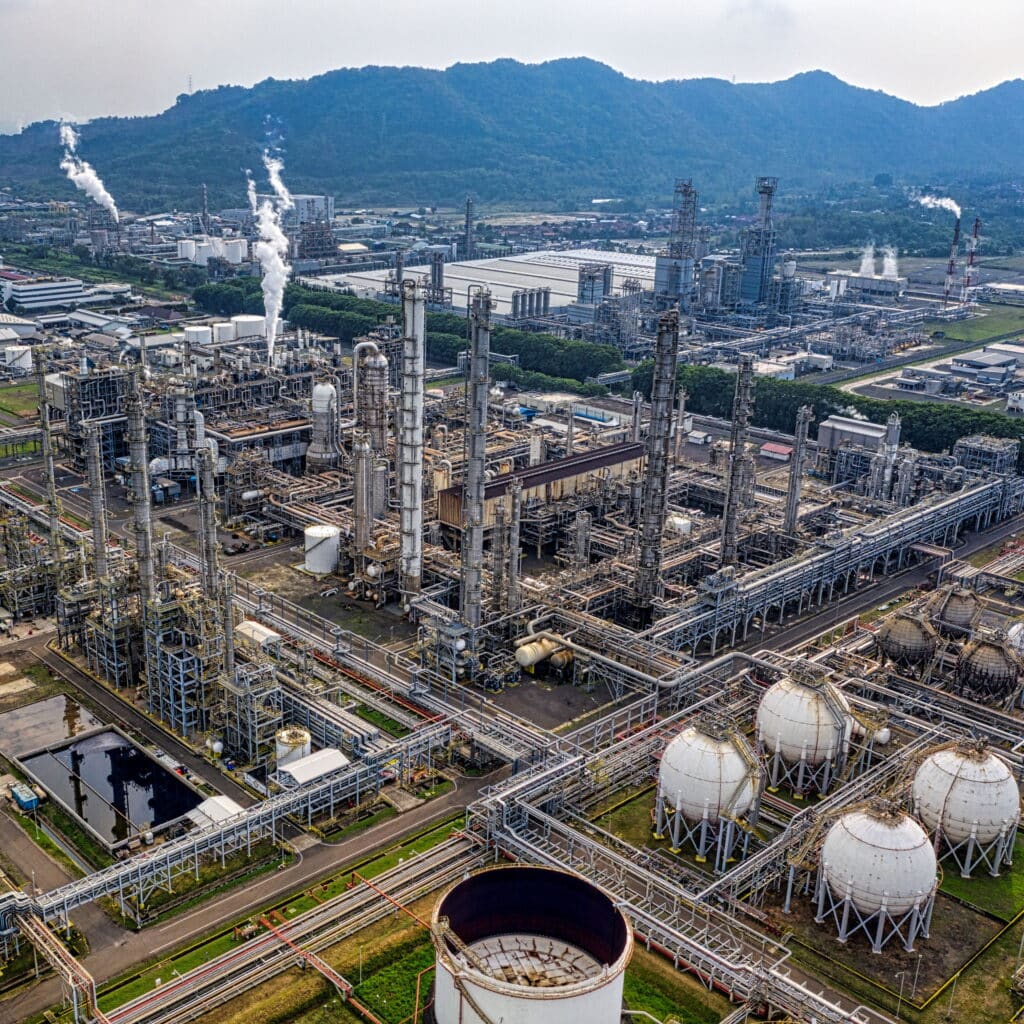
Petrochemical plants are facilities that process crude oil and fracked gas to make plastics, industrial chemicals and pesticides. They are usually located near petroleum refineries or integrated into large petrochemical complexes.
Petrochemical factories process and transform hydrocarbons into chemical products used in the plastics, textiles, automotive, pharmaceutical, and electronic industries.
Obtaining the raw materials needed to make petrochemicals is already carbon intensive – and the raw material processing these plants do only pollute further.
what is an example of a petrochemical?
An example of a petrochemical is ethylene, which is the most widespread petrochemical in the world, primarily used in the plastic industry to make polyethylene. You may know polyethylene as plastic resin #2 (HDPE – high density – used for milk jugs, detergent bottles, etc.) and #4 (LDPE – low density – used for plastic grocery bags/film).
Olefins plants (a specific type of petrochemical plant) produces ethylene. These plants use steam crackers and the energy input is considered one of the most energy intensive processes in the chemical industry.
But olefin plants are only one type of petrochemical plant. Aromatic plants produce nezene, toluene, and xylene from naphtha and other refinery streams. These make up dyes, detergents, and plastic products.
Syngas plants use natural gas or coal to generate synthetic gas, which creates industrial chemicals such as ammonia and methanol.

are petrochemicals harmful?
Petrochemicals have been linked to health problems, including cancer, according to an analysis in the New England Journal of Medicine.
That’s because to make petrochemicals, plants release volatile organic compounds (VOCs) that pollute the air. Not to mention refineries and plants discharge toxins into waterways, which contributes to water pollution.
According to an Environmental Integrity Project (EIP) report, nearly 70 petrochemical companies across the nation are sending millions of pounds of pollutants into waterways each year due to weak or nonexistent regulations. And yes, it does contaminate drinking water.
Residents of Cancer Alley have experienced this firsthand. Polyfluoroalkyl substances (PFAS) are present in their drinking water at levels hundreds of times higher than currently-suggested safe levels for human consumption.
And residents suffer the effects of extreme air pollution on a daily basis. Including increased risks of infertility, respiratory illness and cancer.
According to 70 interviews conducted by Human Rights Watch, women in Cancer Alley reported miscarriages, high-risk pregnancies, and poor health of newborns. Many shared stories of entire communities decimated by cancer (hence the name).

do petrochemicals harm the environment?
Yes, petrochemicals harm the environment too – petrochemical plants use massive amounts of energy to function, and in doing so, pollute the air, water and soil. Everything is intersectional.
Plus, as we transition away from fossil fuels to power our homes and businesses, petrochemical plants are becoming a lifeline to Big Oil. That’s because crude oil and gas are used to make many petrochemicals.
If petrochemical plants are allowed to grow, unregulated, there will be more consumption of oil and gas to come for decades. This directly contributes to climate change.
what is being done + how can we help?
Cancer Alley residents are fighting for reignition and change.
Sharon Lavigne, a retired special education teacher, founded Rise St. James, an organization focused on bringing environmental justice to the people of St. James Parish. The parish is located in one of Cancer Alley’s polluted hotspots, and Lavigne’s demands are far from radical. She simply wants clean air and drinking water.
Yet a lawsuit filed by the Biden Justice Department and EPA was recently dropped by the current administration.
Robert Taylor, founder of Concerned Citizens of St. John, said “…our government has abandoned us. We have been designated a sacrifice zone.”
Unfortunately, Texas recently also cleared the way for petrochemical expansion despite health warnings.
So how do we make an impact? Here are a few ways we can help:
- Reduce your reliance on plastics. Especially single-use. Here’s a beginner’s guide to waste reduction.
- Advocate for extended producer responsibility (EPR).
- Ditch banks that support the fossil fuel industry in favor of green banks.
- Support Earth Justice, which sews on behalf of the earth.
- Avoid using pesticides and advocate against their use on farms. Support local, pesticide-free farmers whenever possible.
- Invest in clean energy and green financing.
- Support community-based initiatives impacted most by petrochemical plants, such as Rise St. James and Concerned Citizens of St. John.
- Speak up and spread the word. Share this article so more people know about petrochemicals and why they harm people + planet.
How are you advocating against petrochemicals? Let me know in the comments!
The post Petrochemicals: How They Affect People + Planet appeared first on Going Zero Waste.