Carbon Footprint
NASCAR’s Biofuel Revolution: How America’s Biggest Motorsport Is Hitting Full Throttle on Net Zero

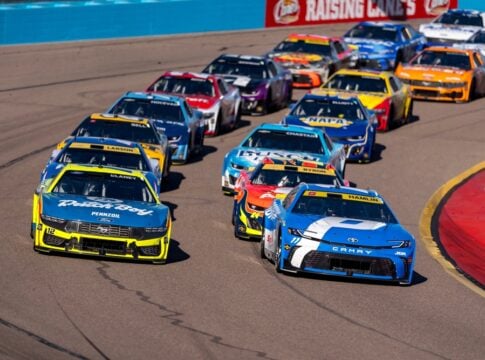

For decades, the National Association for Stock Car Auto Racing, aka NASCAR, stood for roaring engines, speed, and fierce competition. The sport, headquartered in Daytona Beach, Florida, built its reputation on powerful combustion engines and high-energy racing events across the United States.
However, the organization has recently shifted gears. Today, NASCAR is embracing sustainability and cleaner technology while still protecting the thrill of racing. The sport is working toward a bold target: net-zero operating emissions by 2035.
This goal forms the backbone of the NASCAR IMPACT strategy. The plan looks at emissions across the sport’s core activities—from race cars and racetrack facilities to large racing events. Instead of relying on a single solution, NASCAR is using multiple approaches, such as renewable energy, cleaner fuels, and improved waste management.
In short, the future of stock-car racing is becoming cleaner without losing its competitive edge.
NASCAR’s Net-Zero Mission
Back in 2023, NASCAR announced its commitment to reach net-zero carbon emissions from its operations by 2035. In simple terms, the goal focuses on the fuel and electricity used at NASCAR-owned racetracks and offices.
To make this happen, the organization plans to reduce overall energy consumption while increasing the share of renewable power used across its operations.
The strategy focuses on three main areas:
- Race cars
- Racing events
- Facilities and offices
Each of these areas produces emissions in different ways. For example, race cars consume fuel, while events require power generators and logistics fleets. Meanwhile, offices and racetracks use electricity, heating, and cooling systems. Therefore, NASCAR’s climate strategy combines efficiency improvements with cleaner energy solutions.
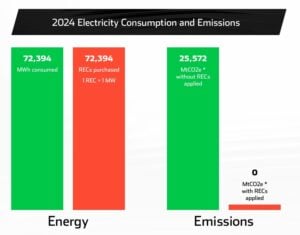
Here’s a snapshot of the motosport company’s 2024 electricity consumption and emisions profile:

Electric Innovation Hits the Track
One of the biggest steps toward cleaner racing arrived in July 2024. Through the ABB NASCAR Electrification Partnership, the sport introduced its first electric race car prototype.
The ABB NASCAR EV Prototype represents a new chapter in motorsports technology. Engineers from NASCAR built the vehicle with support from three major automakers, i.e., Chevrolet, Ford Motor Company, and Toyota.
The project shows how the racing world can experiment with emerging technologies. NASCAR does not plan to replace traditional engines overnight. Instead, the electric prototype works as a testing ground for future performance innovations.
Motorsports has always pushed automotive technology forward. Now, sustainability is becoming part of that engineering race.
A Major Biofuel Partnership with POET Changes the Game
Another major development came through NASCAR’s partnership with POET LLC, the world’s largest biofuel producer. The agreement named POET as the Official Bioethanol Partner of NASCAR. More importantly, the collaboration introduces zero-carbon bioethanol into the sport’s fuel mix.
NASCAR will blend this bioethanol with fuel supplied by its long-time partner Sunoco. As a result, the racing series will become the first major motorsport to use zero-carbon bioethanol fuel.
- This change highlights a key idea behind NASCAR’s sustainability strategy: improving performance while cutting emissions.

Bioethanol already offers several advantages. It burns cleaner than conventional gasoline and produces lower carbon intensity. At the same time, it maintains the high-octane performance required for competitive racing.
For drivers and teams, fuel keeps engines running at full power. For the environment, it reduces pollution.
The partnership also brings strong visibility for the biofuel industry. Beginning this season, POET sponsors the “POET Restart Zone” at NASCAR-owned tracks—one of the most intense moments during races when cars restart after caution periods.
In addition, POET branding now appears on all NASCAR fuel cans alongside Sunoco. This move reinforces the growing role of renewable fuels in motorsports.
Cleaner Fuels for the Next Generation of Race Cars
NASCAR’s national racing series already uses Sunoco Green E15, a high-performance unleaded fuel blend. The fuel contains 15% bioethanol and 85% gasoline.
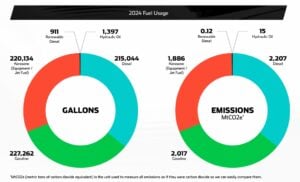
During the 2024 racing season, NASCAR consumed over 261,000 gallons of Sunoco Green E15 across its three national racing series.
While combustion engines will remain part of NASCAR’s identity, the organization plans to keep improving fuel technology over the next decade. And cleaner fuels are a practical step. They allow the sport to reduce emissions without requiring major changes to vehicle design.

Renewable Diesel in NASCAR’s Hauler Fleet
Behind every NASCAR race lies a massive logistics operation. The sport’s equipment travels thousands of miles each season in heavy transport trucks.
In 2024, NASCAR’s fleet of 17 Mack diesel haulers traveled more than 805,000 miles—roughly the distance of going to the moon and back.
Significantly, the company started testing renewable diesel fuel from wood residues, agricultural waste, and used cooking oil to reduce emissions from transportation
The fuel works in existing engines without modifications. That makes it a convenient way to cut emissions immediately while longer-term solutions develop. It also burns cleaner than traditional diesel, which helps lower the environmental footprint of NASCAR’s logistics operations.
Powering Racetracks with Renewable Energy Credits
Beyond vehicles and events, NASCAR is also transforming the energy used at its facilities.
- In 2023, the organization committed to powering all of its facilities with 100% renewable electricity for the next five years. To achieve this, NASCAR partnered with NextEra Energy.
- The company purchased Green-e Certified Renewable Energy Credits (RECs) from wind farms across the United States. These credits ensure that an equivalent amount of renewable electricity enters the national power grid. By buying these credits, NASCAR offsets the electricity used at its racetracks and offices.
However, the organization does not plan to rely on credits forever. In the long run, NASCAR hopes to install solar panels directly at its facilities, producing clean electricity on site and strengthening local renewable energy supply.
Reducing Energy Demand at Facilities
Using renewable power is important. But reducing overall energy demand matters just as much.
NASCAR has begun implementing energy-efficiency programs across its buildings and racetracks. These measures focus on cutting electricity consumption while lowering operating costs.

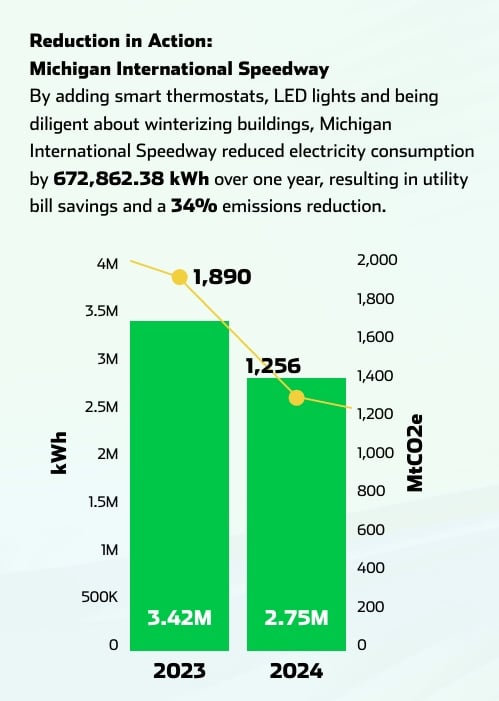
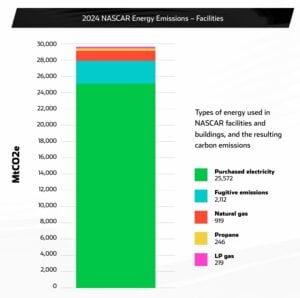
Another key area involves fugitive emissions. These are small gas leaks from equipment such as air conditioners and refrigeration systems. Although they may seem minor, some of these gases can be powerful greenhouse pollutants.
Therefore, NASCAR closely monitors these systems and works to prevent leaks whenever possible.
Cutting Emissions at Racing Events
Large racing events require significant energy. Power generators, logistics fleets, and track equipment all contribute to emissions.
Therefore, NASCAR has started analyzing energy use across its race operations. Data collection helps the organization understand where emissions are highest and where improvements can deliver the biggest impact.
One example involves track dryers. After heavy rain, NASCAR uses specialized machines to dry racetracks quickly so races can continue. Previously, these machines used jet fuel. However, NASCAR recently introduced the first propane-powered track dryer with help from partner Suburban Propane.
- The change is expected to reduce emissions from these dryers by about 58%. It may seem like a small improvement, but these incremental changes add up over time.
Another example comes from the Chicago Street Race. By redesigning the layout of temporary power units, the event operations team managed to run multiple areas using a single hybrid generator.
- As a result, the race reduced fuel consumption by more than 27% compared with the previous year.


Recycling and Waste Reduction Across the Sport
Sustainability efforts at NASCAR extend beyond energy and fuel. Waste management has become another major focus.
The organization now operates expanded recycling programs across its tracks and offices. These programs target a wide range of materials, including aluminum cans, plastic bottles, used racing tires, and motor oil.
NASCAR also partners with waste-management companies to divert materials from landfills and promote circular economy practices.
Even fans play a role. During race weekends, it encourages spectators to recycle and dispose of waste responsibly. These engagement campaigns help reduce the environmental footprint of large racing events.
The Future of Sustainable Motorsports
NASCAR remains one of the most recognizable motorsports organizations in the world. Traditionally, the sport has focused on stock-car racing events across the Southeast and Midwest United States.
Yet today, NASCAR is also becoming a testing ground for sustainability innovation. From electric prototypes and renewable fuels to cleaner logistics and renewable energy systems, the organization is experimenting with multiple solutions at once.
Importantly, these efforts prove that high performance and environmental responsibility can coexist. Motorsports has always pushed the limits of engineering. Now, the industry is beginning to push the limits of sustainability as well.
The post NASCAR’s Biofuel Revolution: How America’s Biggest Motorsport Is Hitting Full Throttle on Net Zero appeared first on Carbon Credits.