Renewable Energy
Modern Agriculture: Rise of Agricultural Robots

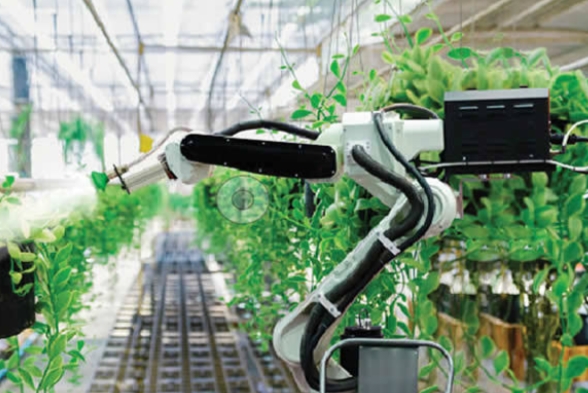
Modern Agriculture: Rise of the Robot Farmers
The fields of our future might look a lot different than the ones we see today. Gone are the days of backbreaking manual labor and dependence on unpredictable weather patterns.
Modern agriculture is embracing a new era of automation, where robots are steadily replacing human hands in tending to our crops.
Planting the Seeds of Change
Imagine a fleet of autonomous tractors gliding across vast fields, meticulously planting seeds at precise intervals. This is no longer science fiction, but a reality rapidly transforming the agricultural landscape. Robotic planting machines equipped with GPS and AI can map fields, determine soil conditions, and plant seeds with optimal spacing and depth, leading to higher yields and reduced waste.
Weeding Out the Inefficiencies
One of the most tedious and time-consuming tasks in agriculture is weeding. But robots are coming to the rescue, armed with sophisticated computer vision and dexterous manipulators. These weed-seeking machines can identify and remove unwanted plants with laser precision, minimizing the need for herbicides and protecting the environment.
Harvesting the Rewards of Precision
The robots don’t stop at planting and weeding; they’re also revolutionizing harvesting. Imagine robotic arms, programmed with delicate movements, gently picking delicate fruits or meticulously selecting vegetables based on color and ripeness. This level of precision minimizes damage and ensures only the highest quality produce reaches our tables.
Beyond the Brawn: The Brains of the Operation
The rise of agricultural robots is not just about replacing muscle power; it’s about harnessing the power of data and artificial intelligence. These robots are equipped with a network of sensors that collect real-time data on soil moisture, temperature, and even plant health. This information is then fed into AI algorithms that analyze the data and make informed decisions about irrigation, fertilization, and pest control.
The Benefits of a Robotic Revolution
The integration of robots into agriculture promises a multitude of benefits:
- Increased Productivity and Efficiency: Robots can work tirelessly 24/7, significantly boosting productivity and efficiency compared to traditional manual labor.
- Reduced Labor Costs and Shortages: The aging farm workforce and the exodus from rural areas can be addressed by robots, alleviating labor shortages and reducing labor costs.
- Improved Sustainability: Precision agriculture enabled by robots minimizes resource waste, reduces reliance on harmful chemicals, and promotes more sustainable farming practices.
- Enhanced Food Security: By optimizing yields and reducing losses, robots can contribute to improved food security and stability, especially in areas facing challenges like climate change.
Challenges and Concerns
Despite the exciting possibilities, the rise of agricultural robots also raises concerns:
- High Initial Investment Costs: The upfront cost of purchasing and maintaining robots can be a significant barrier for small-scale farmers.
- Job Displacement: While robots create new opportunities, they may also lead to job losses in traditional agricultural roles.
- Ethical Considerations: Questions arise about the ethical implications of relying on machines to manage our food production systems.
The Future of Farming: Humans and Robots in Harmony
The future of agriculture is not about robots replacing humans; it’s about humans and robots working together in harmony. Farmers will remain crucial for their knowledge, expertise, and ability to adapt to changing conditions. Robots will serve as powerful tools, augmenting human capabilities and enabling farmers to make data-driven decisions for optimal crop production.
As we embrace this new era of agricultural robotics, it’s essential to address the challenges and ensure that this technological advancement benefits both farmers and consumers, promoting a sustainable and food-secure future for all.

Agricultural Robots: Statistics and Data Shaping the Future of Farming
The rise of agricultural robots is transforming the farming landscape, promising increased efficiency, sustainability, and food security. Let’s delve into the data and statistics that paint a picture of this burgeoning industry:
Market Growth: