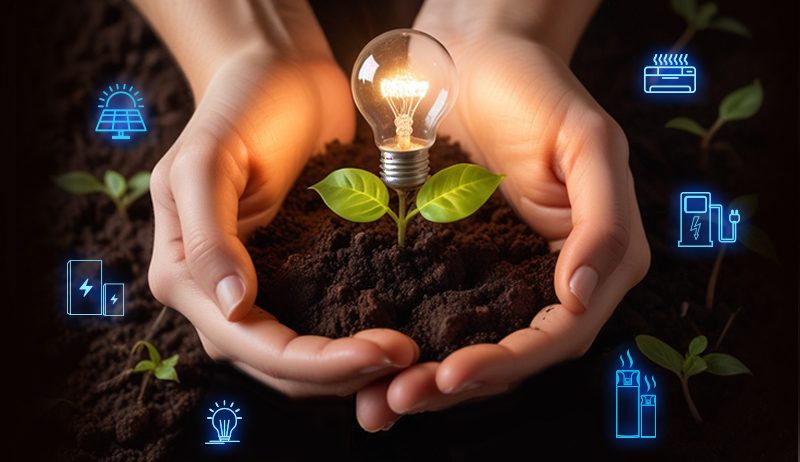
Electrification in 2024 will help Australia lower its carbon footprint by using electricity instead of fossil fuels like coal, oil, and gas for many activities.
Electricity can come from renewable sources such as solar, wind, and hydropower, which don’t release greenhouse gases.
By shifting to electric options in areas like transport, homes, and industry, Australia can cut down on carbon emissions and create a cleaner, more sustainable future.
In transport, electrification means using electric vehicles (EVs) instead of gas or diesel cars. EVs produce zero emissions while driving, and as the electricity grid relies more on renewable energy, the overall impact is even lower.
More EVs also mean less demand for fossil fuels, which helps reduce pollution and improves air quality.
In homes and buildings, electrification involves switching to electric appliances and heating systems, like electric stoves and heat pumps, instead of gas-powered ones.
When these electric systems use renewable energy, they produce no emissions, unlike gas appliances that release carbon dioxide.
In industry, electrification allows heavy machinery and equipment to run on electricity instead of fossil fuels, reducing emissions from factories, mines, and other industrial sites.
In some cases, businesses also use renewable-powered electric systems that cut emissions to nearly zero.
By replacing fossil fuels with electricity from renewable sources, Australia can make big progress in lowering its carbon footprint and meeting its climate goals.
This shift to electrification not only reduces emissions but also supports a cleaner energy future for the country.