Climate Change
How Does Climate Change Affect the Environment?

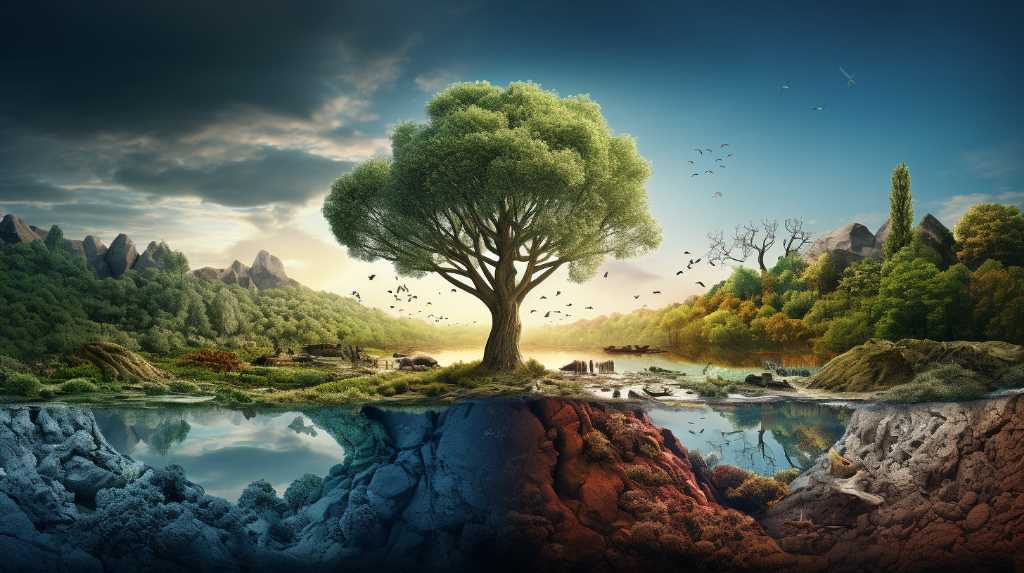

Do you ever wonder how climate change impacts our environment? Well, let’s dive right in!
Rising temperatures, shifting precipitation patterns, melting glaciers, rising sea levels, and ocean acidification are just a few of the ways our planet is being affected.
In this article, we’ll explore the consequences of climate change and how they’re reshaping the world around us.
So, buckle up and get ready to uncover the hidden truths about climate change’s impact on our environment.
Key Takeaways
- Increase in temperatures due to greenhouse gas emissions leads to more frequent and intense heatwaves.
- Melting of glaciers and ice caps contributes to rising sea levels, posing a threat to coastal areas.
- Changes in precipitation patterns can result in altered rainfall amounts and distribution, leading to soil erosion, flooding, and droughts.
- Ocean acidification, caused by the absorption of carbon dioxide, disrupts the marine food chain and has consequences for fish populations and coastal communities.
Temperature Rise
As the Earth’s climate continues to change, you’ll experience a significant increase in temperatures. This rise in temperature is a direct result of greenhouse gas emissions and the subsequent trapping of heat in the atmosphere.
As a result, you’ll notice more frequent and intense heatwaves, leading to hotter summers and warmer overall temperatures. This temperature increase can have numerous impacts on both the natural environment and human society.


Rising temperatures can cause the melting of glaciers and ice caps, leading to rising sea levels and coastal flooding. It can also disrupt ecosystems and negatively impact biodiversity, as certain species may struggle to adapt to the changing climate.
Additionally, higher temperatures can have detrimental effects on agriculture, affecting crop yields and food security.
Changes in Precipitation Patterns
With rising temperatures, you’ll also experience changes in precipitation patterns due to climate change. As the climate continues to warm, the amount and distribution of rainfall will be altered. Some regions may experience increased rainfall, leading to more frequent and intense storms, while others may face droughts and decreased precipitation.
These changes can have significant impacts on ecosystems, agriculture, and water resources. Increased rainfall can result in soil erosion, flooding, and damage to infrastructure. On the other hand, droughts can lead to reduced crop yields, water scarcity, and increased risk of wildfires.
It’s crucial to adapt and prepare for these changing precipitation patterns by implementing sustainable water management strategies and improving infrastructure resilience.
Melting Glaciers
You may notice that glaciers are melting more frequently due to the effects of climate change. As temperatures rise, these massive bodies of ice are unable to maintain their size and begin to retreat.
Glaciers play a crucial role in the balance of ecosystems, providing a reliable source of freshwater for rivers, lakes, and agriculture.

The melting of glaciers not only disrupts the delicate water cycle but also contributes to rising sea levels. As the ice melts, the water flows into the oceans, causing them to expand.
This increase in sea level poses a significant threat to coastal communities, leading to more frequent and severe flooding events.
The melting of glaciers is just one of the many ways climate change is reshaping our environment.
Sea Level Rise
Notice how the melting of glaciers due to climate change contributes to a rise in sea levels.
As the Earth’s temperature continues to rise, glaciers and ice sheets are melting at an alarming rate. This process adds more water to the oceans, causing sea levels to rise globally.
The increased volume of water not only poses a threat to coastal areas but also leads to a range of environmental consequences. Rising sea levels can result in coastal erosion, flooding, and the loss of vital habitats like mangroves and coral reefs. Furthermore, the intrusion of saltwater into freshwater sources can contaminate drinking water supplies, impacting both human and animal populations.
The effects of sea level rise are already being felt, and urgent action is needed to mitigate its impact on our planet.

Ocean Acidification
Due to climate change, the acidity of the oceans is increasing over time. This phenomenon is known as ocean acidification. It occurs when carbon dioxide (CO2) from the atmosphere is absorbed by seawater, forming carbonic acid.
The increase in carbon dioxide emissions from human activities, such as burning fossil fuels, deforestation, and industrial processes, has led to higher concentrations of CO2 in the atmosphere. As a result, more carbon dioxide is being absorbed by the oceans, causing their pH levels to decrease.
Ocean acidification has serious consequences for marine life, as it affects the ability of shell-forming organisms, such as coral reefs, mollusks, and some plankton, to build and maintain their shells or skeletons. This disruption in the marine food chain can have cascading effects on entire ecosystems, impacting fish populations and the livelihoods of coastal communities.
Conclusion
Climate change has a profound impact on our environment. Rising temperatures, shifting precipitation patterns, melting glaciers, rising sea levels, and ocean acidification all contribute to the degradation of ecosystems and the loss of biodiversity. These changes disrupt delicate balances and threaten the survival of many species, including humans.
It’s crucial for us to take immediate action to mitigate climate change and protect our planet for future generations. Together, we can make a difference and create a sustainable and resilient environment.
