Greenhouse Gases
How Climate Change Endangers Wildlife and Ecosystems

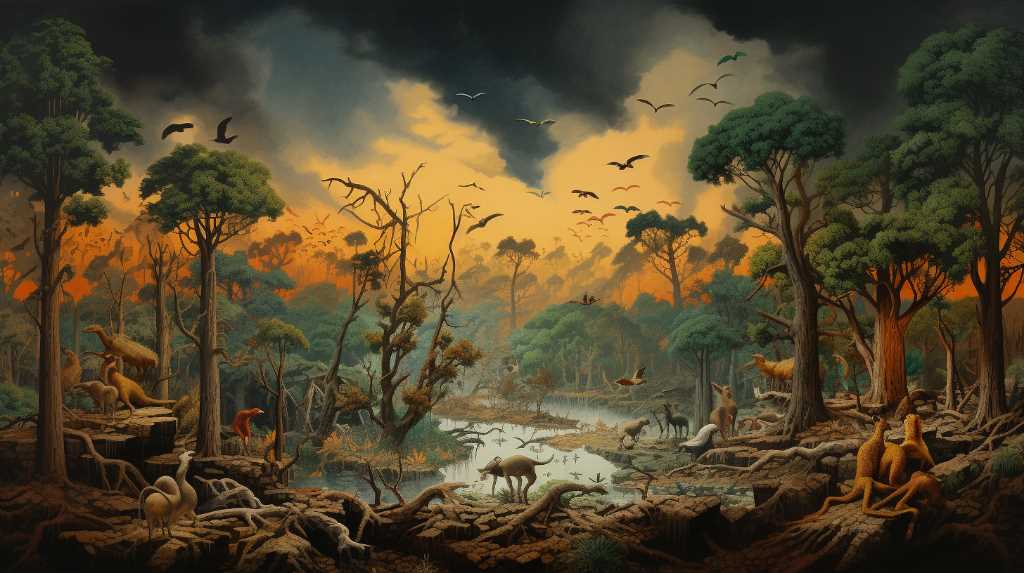

Do you know that climate change puts wildlife and ecosystems at risk? As temperatures rise and weather patterns shift, habitats are being lost and fragmented. Species populations are declining, migration patterns are being disrupted, and food webs are being affected.
Coral reefs and marine ecosystems are particularly vulnerable. In this article, we will explore the ways in which climate change is endangering the delicate balance of nature and what we can do to mitigate its impact.
Key Takeaways
- Climate change causes habitat loss and fragmentation, impacting wildlife and ecosystems.
- Wildlife populations decline as temperatures rise and habitats are lost or fragmented.
- Climate change causes disruptions in migration patterns due to temperature and precipitation shifts.
- Climate change disrupts food webs and trophic interactions through changes in migration patterns.
Habitat Loss and Fragmentation
Climate change is causing a significant amount of habitat loss and fragmentation, which directly affects the survival of wildlife and the functioning of ecosystems.
As the climate continues to warm, sea levels rise, and extreme weather events become more frequent and intense, many habitats are being altered or destroyed altogether.
For example, the melting of polar ice caps and glaciers is causing the loss of critical breeding grounds for Arctic animals, such as polar bears and seals. Additionally, rising temperatures are leading to the destruction of coral reefs, which are vital for countless marine species.
This loss of habitat disrupts the delicate balance of ecosystems, as animals struggle to find food, shelter, and mates.


Ultimately, the impacts of habitat loss and fragmentation are far-reaching and threaten the very existence of numerous plant and animal species.
Decline in Species Populations
As temperatures rise and habitats are lost or fragmented, wildlife populations are experiencing a significant decline.
Climate change is causing shifts in temperature and precipitation patterns, which directly affect the survival and reproductive success of many species. Warmer temperatures can disrupt breeding cycles, alter migration patterns, and lead to increased competition for resources.
Additionally, habitat loss and fragmentation restrict the movement and dispersal of species, making it harder for them to find food, mates, and suitable nesting sites.
These factors combined have led to a decline in species populations across the globe. From polar bears in the Arctic to coral reefs in the ocean, the effects of climate change are being felt by countless species, threatening the delicate balance of ecosystems and biodiversity.
It’s crucial that we take action to mitigate climate change and protect the world’s wildlife and ecosystems.
Disrupted Migration Patterns
With climate change, you can expect disruptions in migration patterns due to shifts in temperature and precipitation. As global temperatures rise, the timing and duration of seasons are altered, affecting the availability of resources that migratory species rely on.

For example, birds that rely on specific plant species for food during their migration may find that these plants are flowering or fruiting earlier or later than usual. This can have a cascading effect on the entire ecosystem, as changes in migration patterns can disrupt pollination, seed dispersal, and predator-prey relationships.
These disruptions in migration patterns not only impact individual species but also have far-reaching consequences for the overall functioning of ecosystems.
Next, we’ll explore the impact of climate change on food webs and trophic interactions.
Impact on Food Webs and Trophic Interactions
You can expect disruptions in food webs and trophic interactions due to the impact of climate change on migration patterns. As temperatures rise, many species are altering their migration routes and timing.
This can have profound effects on the availability of food for other organisms in the ecosystem. For example, if a migratory bird arrives at its breeding grounds earlier than usual, it may find a shortage of insects or other prey that it relies on for food.
This can then impact the populations of predators that depend on these birds as a food source. Additionally, changes in migration patterns can lead to mismatches between predators and their prey, as certain species may no longer be present in the same areas at the same times.
Vulnerability of Coral Reefs and Marine Ecosystems
Climate change poses a significant threat to coral reefs and marine ecosystems, impacting their health and biodiversity.

Rising sea temperatures caused by climate change lead to coral bleaching, where corals expel the algae living in their tissues, resulting in their death. This not only affects the coral reefs themselves but also the countless species that depend on them for food and shelter.
Additionally, increased carbon dioxide levels in the atmosphere are absorbed by the oceans, leading to ocean acidification. This acidification negatively affects the growth and survival of marine organisms with calcium carbonate structures, such as corals and shellfish.
The loss of these vital habitats and the decline in biodiversity within marine ecosystems could have far-reaching consequences for the entire food chain and the health of our oceans.
Conclusion
In conclusion, climate change poses a significant threat to wildlife and ecosystems. The loss and fragmentation of habitats, decline in species populations, disrupted migration patterns, and impact on food webs all highlight the vulnerability of our natural world.
Additionally, coral reefs and marine ecosystems are particularly at risk.
It’s crucial that immediate action is taken to mitigate climate change and protect these invaluable resources for future generations.
