Climate Change
Fossil fuel expansion threatens COP31 hosts’ credibility, experts warn
Türkiye and Australia risk losing their credibility as hosts of this year’s COP31 UN climate summit if they keep betting on fossil fuels at home, climate policy experts have warned.
As governments are expected to continue fraught talks over how to advance the global transition away from oil, coal and gas in Antalya this November, both of the co-host countries are pursuing fossil fuel expansion at home, without a national timeline to phase out their use.
Türkiye has accelerated its rollout of wind and solar energy in recent years. But that progress has yet to make a dent in the country’s dependence on fossil fuels for power, as demand growth has outpaced the renewables build-out, new analysis by Climate Action Tracker (CAT) has found.
The share of electricity generated by burning coal and fossil gas – 56% in 2025 – has barely changed since 2019, and total fossil fuel use in the power sector, and the emissions it produces, are still rising, according to the report released on Friday.
The Turkish government has also signalled that fossil fuels will remain a central component of its energy mix and has outlined plans to expand the country’s burgeoning domestic gas production in the Black Sea.
‘Need to demonstrate seriousness’
Australia, which will chair the Antalya negotiations, relies on fossil fuels for over 60% of its electricity, with coal alone still supplying 45%. According to experts, it lacks an ambitious plan to shift away from fossil fuels at home, relying heavily on carbon offsetting to reach its climate targets.
Australia is also the world’s third-largest fossil fuel exporter and has plans to expand its coal and gas production, which is backed by significant government subsidies. It recently upset climate groups by approving an extension of the Saraji open-cut coal mine in Queensland.
Türkiye says it has “final decision” at COP31 despite Australia running negotiations
Jennifer Morgan, a senior fellow with the Fletcher School of Law and Diplomacy at Tufts University and former climate envoy for Germany, said Türkiye and Australia need to demonstrate their seriousness about their COP presidency roles by leading by example on the energy transition.
“They have made progress in renewable energy,” she told reporters this week. “But I think their credibility – and their ability to therefore bring momentum and good outcomes to the COP – will depend on their taking further action at home.”
Türkiye’s electrification homework
The co-hosts’ fossil fuel policies are being scrutinised in the run-up to the annual UN climate summit, with much riding on the signal climate diplomacy sends on the energy transition.
Türkiye has so far stopped short of putting any overt political capital behind the fossil fuel transition itself. It has instead been rallying support for a new global electrification target of 35% by 2035, seen as the centrepiece of this year’s non-negotiated Action Agenda put forward by Ankara.
COP31 president Murat Kurum said last week the push to electrify economies – through measures like electric vehicles and heat pumps – will “automatically” lead to a reduction in the use of fossil fuels.
Türkiye’s own energy plan projects the country’s electrification rate would fall short on the global target and only hit 25% by 2035, according to the CAT report, which called for a “substantial step-change” in electrification policies and the deployment of more renewable power and grid infrastructure.
Coal still dominant
CAT’s analysts also warned that, without a parallel phase-out of fossil fuels, rising electricity demand risks being met in part by coal and gas, failing to deliver the emissions reductions the electrification target is meant to achieve.
Türkiye has had some success in its clean energy build-out: the share of electricity generation from wind and solar rose to 22% in 2025, up from 12% in 2020, according to the CAT report.
But coal’s role in Türkiye’s electricity mix has also grown, in both its share and absolute terms, over the past decade. And while reliance on fossil gas has declined overall, it still plays an important role in Ankara’s energy policy, which is pushing to boost domestic gas production in the Black Sea.
Dr Niklas Höhne from the NewClimate Institute said the government could demonstrate leadership as COP31 president by building on its recent successes in increasing its renewable energy capacity and announcing targets and plans to phase out coal and gas ahead of the summit.
According to CAT, Türkiye should phase out coal by 2040 and fossil gas by 2045 at the latest to align its power sector with global efforts to limit the rise in global temperatures to 1.5C above preindustrial times.
Türkiye quiet on fossil fuel roadmap
Ümit Şahin, coordinator of climate change studies at the Istanbul Policy Center (IPM), said Türkiye’s strategy is to approach the fossil fuel debate exclusively from the “end-use point of view”.
“I don’t expect any push from the Turkish presidency to the producer countries in terms of fossil fuel production,” he told reporters.
Neither does Şahin believe the Turkish presidency will throw its political weight behind another big-ticket item for COP31: a new global roadmap to transition away from fossil fuels.
Brazil took on the responsibility to voluntarily draft this document outside of the formal negotiations as a way to break the deadlock at last year’s UN summit in Belém when governments clashed over whether to develop one.
The outgoing COP30 presidency will deliver the roadmap in early November – but it will be up to Türkiye and Australia to guide countries towards a decision on how the blueprint will be taken forward, either inside or outside the negotiations.
Leadership needed
Australia’s Chris Bowen, COP31’s president of negotiations, promised to lobby producing countries to deliver a “meaningful step forward” on the fossil fuel transition in an interview with The Guardian earlier this year. But he has been quiet on the role Australia sees for the fossil fuel transition roadmap.
Natalie Jones, senior policy advisor at the International Institute for Sustainable Development (IISD), said the COP31 co-presidents “must provide clear leadership” on this process.
“This roadmap cannot be left in a dusty drawer,” she told journalists. “Rather, it must be translated into action, with all countries identifying what elements they can adopt or develop in their own national roadmap.”
-
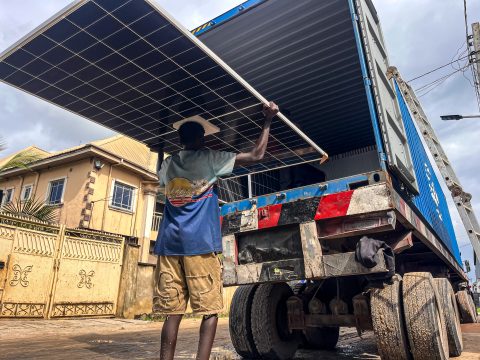
Made in Nigeria: The race to build an African solar industry from scratch
A solar power revolution is gathering pace in Africa and Nigeria wants a slice of the fast-growing industry, but competing with Chinese imports won’t be easy -
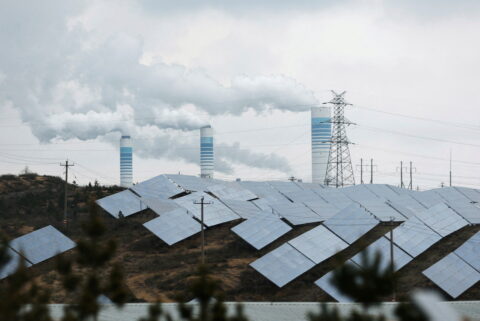
China’s industrial engine starts to break its fossil fuel habit
Despite a rebound in coal generation this year, clean energy from wind and solar is gaining ground on the fossil fuels that have powered decades of industry growth


Like Türkiye, Australia has yet to produce a national blueprint for winding down coal, gas and oil. Rather than moving toward a phase-out, state and federal governments have kept expanding fossil fuel licensing over the past year, according to a new analysis published this month by Climate Analytics.
Under existing policy, both coal and gas are on track to remain in Australia’s power system as late as 2050 – a trajectory the report defines as incompatible with the 1.5C limit the country says it’s committed to.
No binding end dates for the Netherlands
Analysts are watching out for national transition roadmaps as a bellwether for governments that claim to be leaders in the global shift away from fossil fuels.

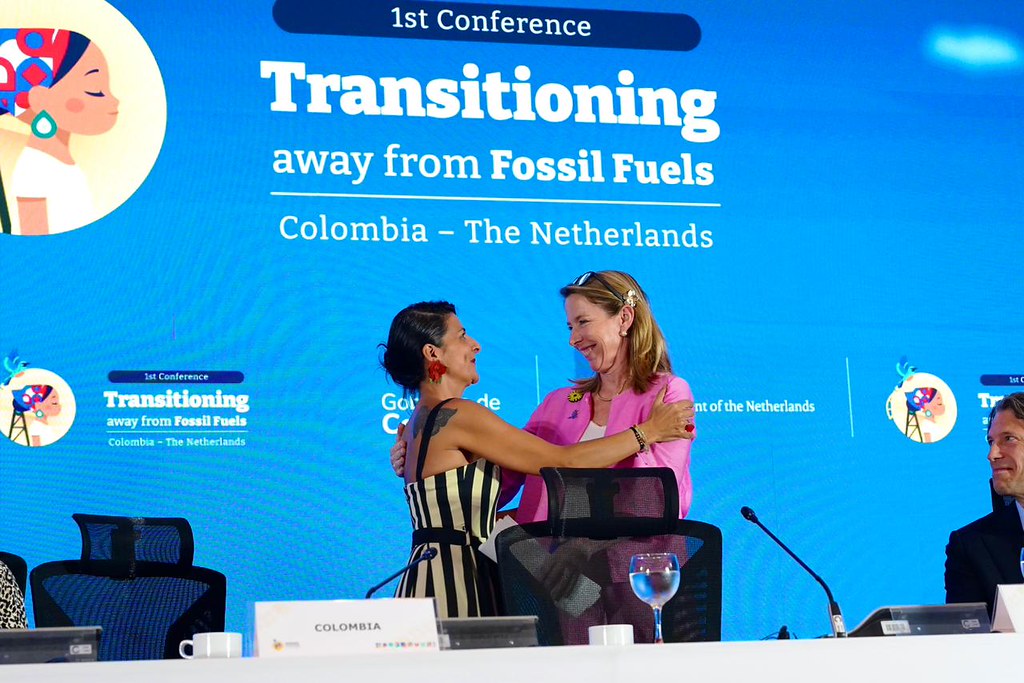
The Netherlands, which co-hosted the first fossil fuel transition conference in Santa Marta this year, published its own domestic roadmap earlier this week. The document followed through on a pledge that “leadership on transitioning away from fossil fuels must be backed by concrete action, not just ambitious words”, said a spokesperson for Stientje van Veldhoven, the Dutch minister for climate policy.
But experts criticised the plan for failing to set a binding end date for the country’s fossil fuel production and use. While targeting a rapid increase in renewables capacity, the Dutch government only commits to phasing out oil, gas and coal “in the energy and feedstock system to eventually zero, and to minimise fossil use” by 2050.
Yvo de Boer, a former Dutch diplomat and executive secretary of the UN climate body, said the Dutch roadmap falls short of what’s needed to give industry the confidence to deploy capital in support of the energy transition with greater predictability.
“Ultimately, a roadmap without deadlines is nothing more than a footpath paved with good intentions,” he added, writing on LinkedIn.
The post Fossil fuel expansion threatens COP31 hosts’ credibility, experts warn appeared first on Climate Home News.
Fossil fuel expansion threatens COP31 hosts’ credibility, experts warn