Climate Change
COP31’s electrification pledge wins support, with caveats on clean power and finance
More than a dozen countries, including Germany, South Korea, Pakistan and several small island states, have publicly backed the Turkish COP31 presidency’s flagship electrification pledge.
The voluntary pledge aims to raise electricity’s share of global final energy consumption to 35% by 2035, from 23% currently, but does not specify how that electricity should be generated.
The COP31 presidency is not expected to publish a full list of backers until next week, as it continues to rally support. But at least 14 countries have publicly endorsed the pledge, according to a Climate Home News analysis of speeches and official statements.
Alongside COP31 co-host Australia and COP32 host Ethiopia, they include Germany, Norway, Finland, South Korea, Pakistan, Zimbabwe, Eswatini, Togo and Liechtenstein, as well as the small island states of Palau, Seychelles and the Solomon Islands.
The European Union is widely expected to join the pledge this week, although member states still need to formally approve the decision, Politico reported. On Wednesday, President Ursula von der Leyen supported the pledge in her personal capacity and encouraged others to do the same.
Major economies still on the fence
Other major economies have welcomed COP31’s focus on electrification while stopping short of endorsing the pledge.
British Prime Minister Andy Burham said on Thursday that he was proud to support the summit’s focus on electrification. He said it matters for energy security, for creating good jobs in clean energy and manufacturing, and for lowering people’s bills.
-
Big fossil-fuel countries back Brazil-led transition roadmap
Some countries including Germany and the Netherlands call for the roadmaps to inform a key global review of climate progress in 2028 -
COP31 outcome needs to prioritise transition away from fossil fuels
Many countries are already working on parts of their transition, such as phasing out coal or ending fossil fuel subsidies, with more expected to follow soon

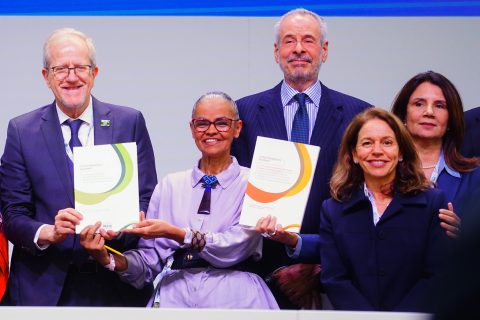
Brazil’s environment minister João Paulo Capobianco ssaid on Thursday that electrification was “an important front” in climate action, but warned it should not be pursued “for the sake of it”. It should instead serve as a means of improving efficiency and cutting emissions. He said Brazil would work with the Turkish proposal and suggest adjustments to allow “specific solutions” that reduce emissions, without giving details.
Saudi Arabia was more openly sceptical. Energy minister Prince Abdulaziz bin Salman told the leaders’ summit that emissions reduction is “what unites us”, “not necessarily the track to achieving it”. “The expansion of electrification does not necessarily mean cutting emissions, so long as we do not consider the sources of its production,” he said, adding that countries’ choices must be respected.
Clean power strings attached
Many of the nations formally backing the initiative have attached some strings to their support. At a high-level roundtable on Wednesday, the low-lying Pacific island nation of Palau said it would sign on to the pledge. But it added that electrification “must not become a substitute or a distraction” from the chief goal of transitioning away from fossil fuels.
Seychelles also endorsed the pledge but added that it must be connected with cleaner electricity. “Electrifying more activities while continuing to burn fossil fuels will not deliver the full economic or climate benefits,” the country’s representative told the roundtable.

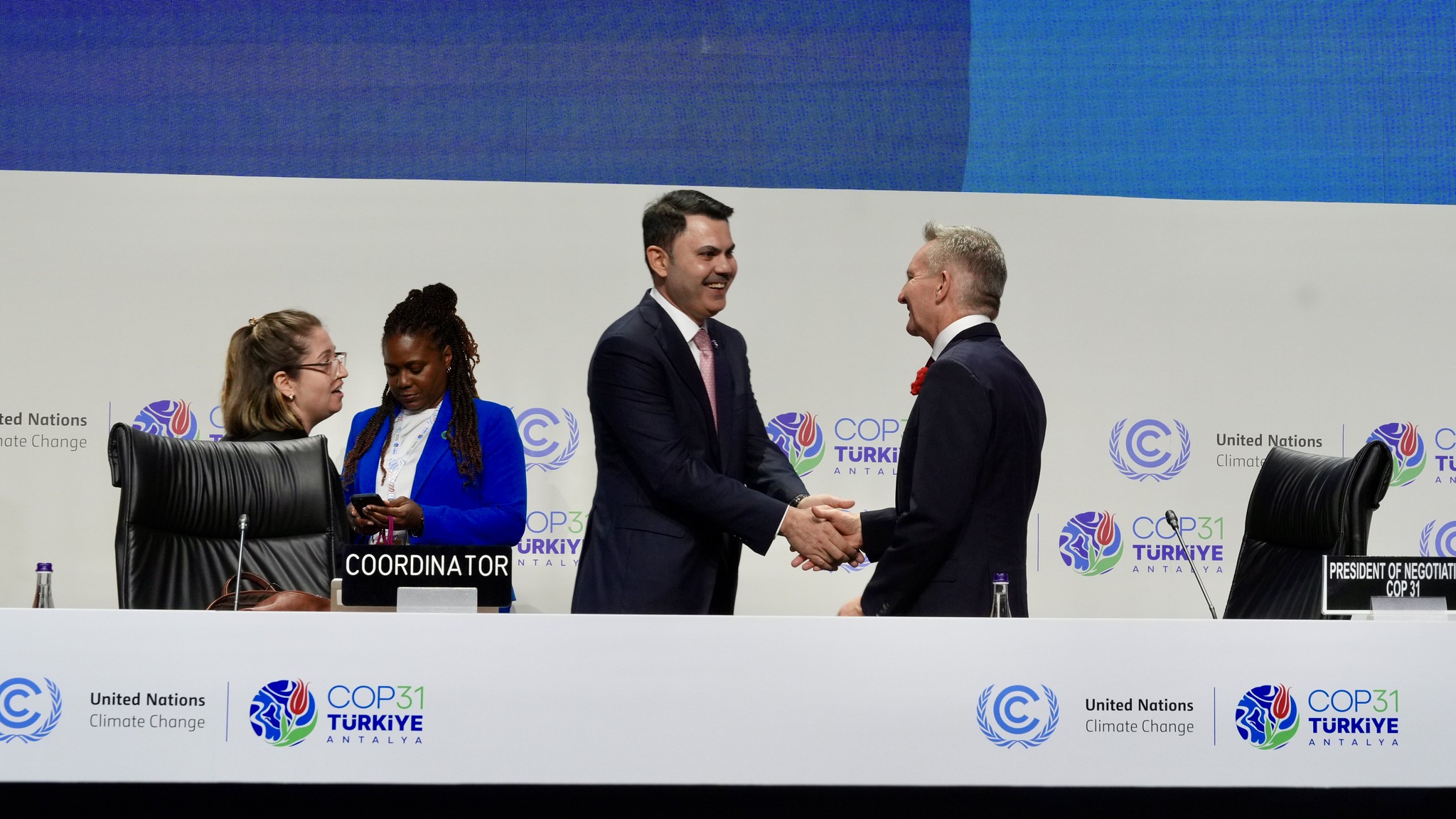
Australia’s climate and energy minister Chris Bowen, whose country is co-leading the pledge with Türkiye, has defended its design. “Electrification is almost always a good thing,” he told the Outrage and Optimism podcast recently. He argued that switching to an electric car cuts emissions by 60% even on a coal-fired grid, and by 90% when powered by solar.
Doug Arent, senior fellow at the WRI Polsky Center for the Global Energy Transition, said the most important thing “is that there is significant support for the concept of electrification”. He expects more countries to “recognise their pathway to be behind the 35 by 35” in the coming years.
Calls for finance
Other developing countries backing the pledge have underlined the critical importance of access to finance. Pakistan’s Prime Minister Shehbaz Sharif showed off his country’s people-led boom in rooftop solar and growing rollout of electric vehicles. But he added that “momentum without finance cannot be sustained,” and said the burden of new technologies cannot fall on countries already in debt.
Zimbabwe backed the pledge but warned of the high capital costs and financial bottlenecks facing developing countries. Its representative proposed a global electrification investment facility that would provide first-loss guarantees for projects under Mission 300, an initiative to connect 300 million people in Sub-Saharan Africa to electricity by 2030.
The Solomon Islands, another supporter of the pledge, asked for a dedicated finance access window for small island nations and least developed countries (LDCs).
Tuesday saw the launch of a global finance coalition backed by COP31 host Türkiye and COP32 host Ethiopia aimed at supporting clean electrification in developing countries.
Closing the roundtable, Türkiye’s energy minister Alparslan Bayraktar, who chaired the session, claimed the 35×35 pledge had found broad support worldwide. He called for a “smart” energy transition that draws on all available technologies, including carbon capture, use and storage.
The post COP31’s electrification pledge wins support, with caveats on clean power and finance appeared first on Climate Home News.
COP31’s electrification pledge wins support, with caveats on clean power and finance