Climate Change
COP31 Bulletin Day 10: New draft keeps electrification goal but drops fossil fuel references

The keenly awaited second draft of the COP31 cover decision was released mid-afternoon on Thursday in Antalya. At half the length of the first version, the nine-page document still covers many bases – except a key demand by developing nations to put a number on tripling finance for adaptation.
It also drops wording welcoming the global roadmap on transitioning away from fossil fuels prepared by Brazil’s COP30 presidency, which one veteran campaigner called “a glaring regression”.
The text has a section with a menu of measures for responding to an expected overshoot of the 1.5C warming limit, which includes the Turkish presidency-led 35×35 electrification pledge and efforts to boost both carbon capture and storage (CCS) and carbon dioxide removal.
This appears to be an effort to placate Arab nations, which do not want reference to new sectoral goals in the text, but are pushing for the inclusion of CCS.
The text also highlights the importance of the reports from the Intergovernmental Panel on Climate Change (IPCC) for the next Global Stocktake (GST) of climate progress ending in 2028. It “invites” the IPCC to provide all three key reports in its next assessment cycle to the GST.
Some large developing nations, led by Saudi Arabia and India, oppose landing two of these three reports in time for the GST, arguing it does not give enough time to include science from the Global South, but the European Union is insisting on the delivery of the reports.
-
Rich countries must step up to replenish Green Climate Fund, Duarte says
GCF Executive Director Mafalda Duarte tells Climate Home News efforts to leverage the fund’s balance sheet more effectively and find new contributors do not mean letting wealthy donor nations off the hook

One of the most controversial changes from the first version of the text seems to be the exclusion of a figure for the goal to triple adaptation finance approved last year at COP30 in Brazil, which African and least-developed countries had wanted to see defined as at least $120 billion a year by 2035.
Instead, it proposes a report to be prepared on the baseline for that goal by COP32, which would also track progress on delivery, alongside a roadmap on adaptation and resilience finance aiming to identify sources, including “innovative” sources, which would also cover funding for loss and damage. An “implementation pathway” for the tripling would also be discussed under the new climate finance work programme.
Jasper Inventor, head of the COP31 Greenpeace delegation, said that, on finance, the text “kicks crucial decisions on adaptation on how to deliver the tripling commitment down the road”.
“Developing countries and communities need predictable funding, with a clear baseline, delivery milestones and accountability today,” he added.

On oceans – one of the main priorities for both Türkiye and Australia which has historically played a relatively backseat role in climate talks – it creates the Antalya Ocean Current, a multi-year plan for ongoing dialogues that would seek to inform future COP decisions from a marine perspective.
It also requests the co-facilitators of the current ocean and climate dialogue (so far a relatively weak voluntary initiative) to develop a report by 2028 that would inform the next GST. Pradeep Singh, senior project manager at the Oceano Azul Foundation, said both outcomes are “encouraging” but that countries are “behind time and need to already move from dialogue to implementation”.
Mohamed Adow, director of climate and energy think tank Power Shift Africa, said that if the text remains as it is, “it will be a ghost COP”.
“After the progress made in 2023 at COP28 in Dubai where fossil fuels were mentioned for the first time, there is now no mention of the f-word at all,” he said. “COP31 has been muzzled on the most important threat causing the climate crisis.”
David Waskow, director of international climate at the World Resources Institute (WRI), told journalists that the text is “more focused” than previous iterations but that the main battles are still outstanding. He added “we still have a way to go” before knowing how ambitious the final outcome will be.
He also noted that the only issues with a numerical target are the electrification pledge and a bracketed proposal to ramp up carbon capture and storage to “at least 500 MtCO2” by 2035, which he said some countries might be “uncomfortable with”.
Little progress in ministers’ key “divan” meeting
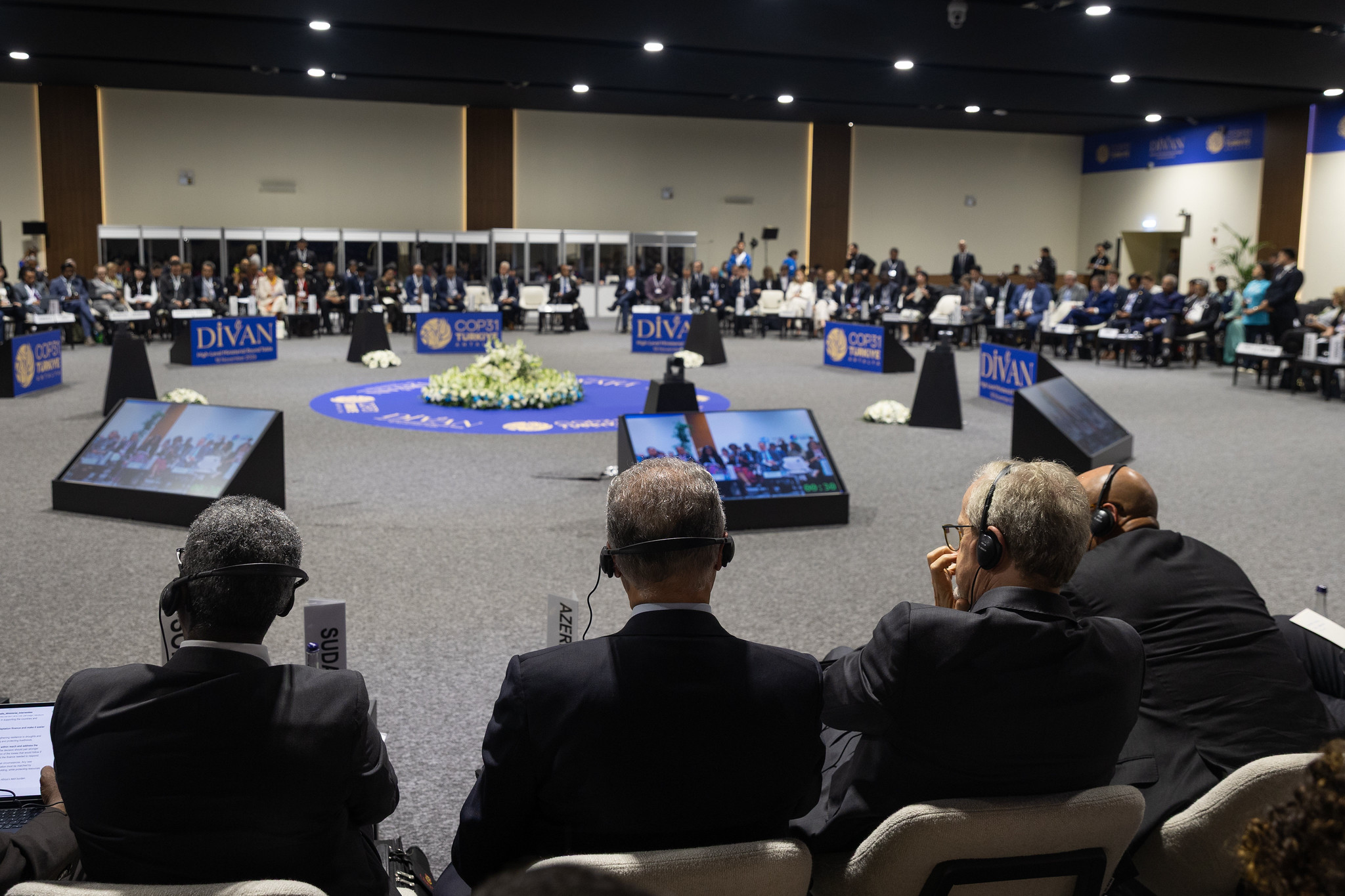
After ministers gathered for a “divan” conflab on Wednesday night to start resolving differences on what should be in the main COP31 political decision, the talk in the halls was that it had been a nice opportunity for them to share views but little had moved forward.
The room – closed to media – was set out with chairs in a large circle, so far apart the assembled ministers looked like they had to cross a small ocean to actually speak to one another.
Adão Soares Barbosa, Timor-Leste’s climate ambassador who chairs the Least Developed Countries (LDCs) at the climate talks, told Climate Home News the discussion had been “constructive” but noted that some ministers expressed concern there would be no agreement on a decision.
The co-presidencies reassured ministers that there would be, Barbosa said.

Irish environment minister Darragh O’Brien, who represents the European Union, told a press conference on Thursday morning that the atmosphere at the divan was “very different” from last year’s similar ministerial Mutirão session. “It wasn’t as confrontational,” he said.
Next to him, Tuvalu’s climate minister Maina Talia said “it seems to be” that language about transitioning away from fossil fuels will be out of the cover text, adding there was a small window of opportunity to keep it in. It is opposed by fossil fuel-producing countries, including Saudi Arabia and Russia.
In a statement issued after the “divan”, COP31 president Murat Kurum urged countries not to reiterate their respective positions at this stage of the talks, but to identify where they can move forward together.
“Let us listen to one another, broaden our common ground and translate what is possible into concrete outcomes,” he said in an emailed statement.
Discussions reportedly touched on all the key hot topics – from 1.5C overshoot to adaptation finance and electrification – but little progress seems to have been made in how to bridge divisions.
According to World Resources Institute experts, reiteration of positions and a lack of guidance from Australia and Türkiye left ministers frustrated and many issues still blocked.
Rich countries must step up to replenish Green Climate Fund, Duarte says
A second draft of the cover decision is due later today, with expectations that it will be slimmed down from the catch-all version released on Monday. New draft decision texts on other tricky topics, including the climate finance work programme, just transition mechanism and global goal on adaptation are so far missing in action.
The presidency’s plan is to hold a closing plenary later today to gavel through less controversial items that have been settled, but that list is not likely to be long.
Hot-button issues include whether and how to define the goal to triple adaptation finance by 2035 that was agreed in the final hours of COP30 in Brazil but without any numbers attached to it. Developing countries want Antalya to define the target as $120 billion a year but wealthy governments are reluctant to assume the full burden of delivering that.
Climate Home News understands from a senior government source that there is appetite across the board for a strong outcome on adaptation that would create a drumbeat towards COP32 in Ethiopia, but that finance is the piece that still needs to be worked out in order to unlock a deal.
Read this new comment piece from Shaikh Faridul Islam, Bangladesh’s state minister for environment, forest and climate change, explaining why clarity is needed from COP31 on where, when and how international climate finance will be delivered to vulnerable countries.
IEA: Hormuz crisis drives electrification shift as COP31 weighs 35×35 pledge
The flagship World Energy Outlook report from the International Energy Agency (IEA) suggests that, in a scenario aligned with the Paris temperature limit of 1.5C, a planned transition away from fossil fuels and into renewables could cut energy bills and add millions of jobs in the energy sector.
In the IEA’s net zero pathway, annual clean energy investment triples to around $4.5 trillion over the next decade. The energy sector also adds 15.6 million jobs by 2035, most of them building clean power and grids. Under that scenario, jobs in fossil fuel supply would halve over the same period, with the IEA warning that policies are needed to support workers and communities during the transition..
A turn towards electrification has been one of the main responses to the Hormuz crisis, the report says, which has led 25 countries to announce new electrification policies since February.
IEA chief Fatih Birol said in a statement: “I have rarely seen the energy security policy objectives and the climate objectives so closely aligned.”
But the IEA warned that security concerns alone will not deliver the emission cuts needed. Current policies point to 2.9C of warming by 2100 and the latest national climate plans do not foresee a significant acceleration of emissions reductions.

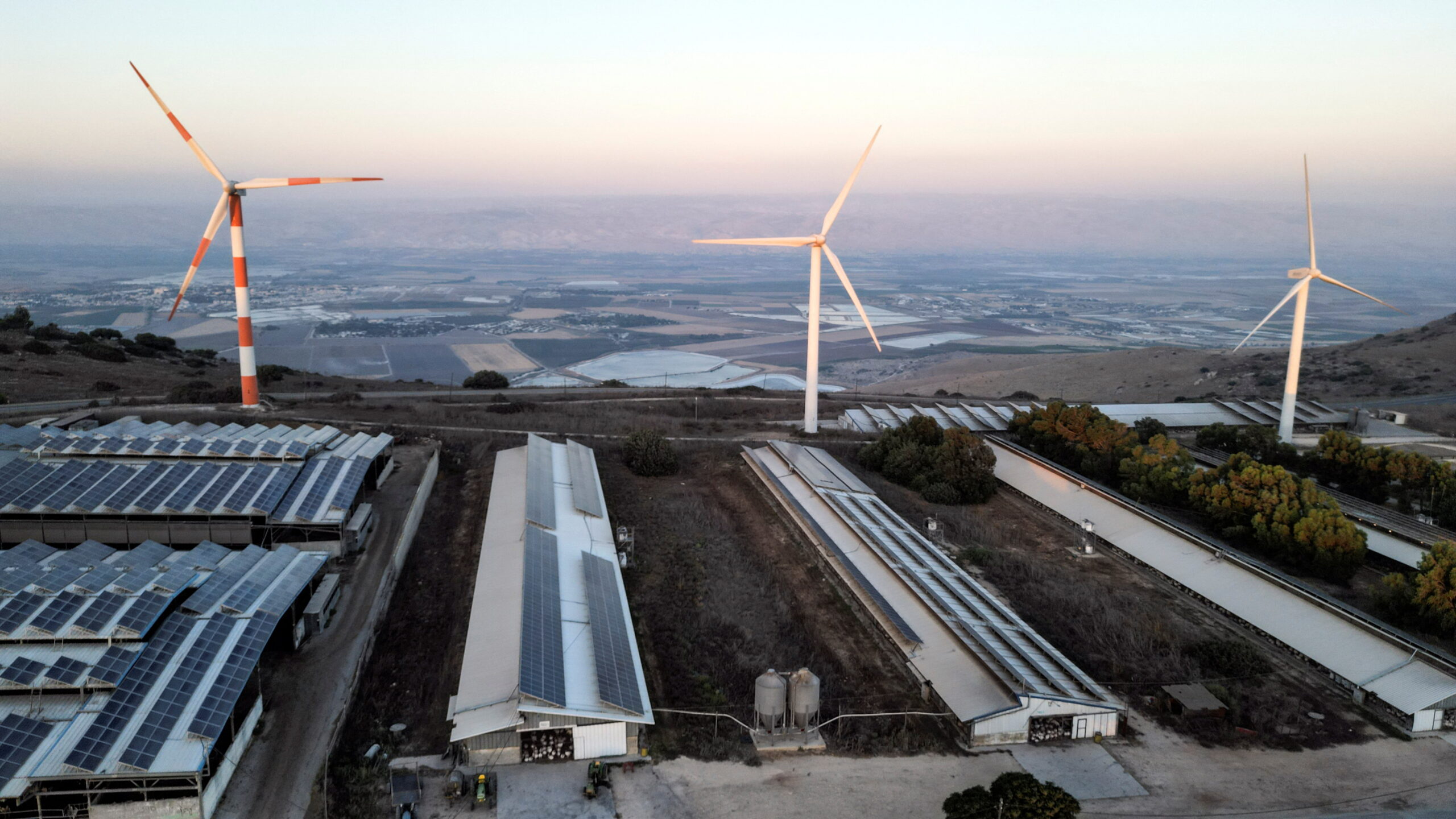
At COP31, Birol called on countries to deliver an “unmistakeable signal” to markets by strongly backing a pledge – which the IEA was involved in drafting – to increase electrification from 23% to 35% of final energy consumption by 2035. Around 75 countries – both developed and developing – are said to have endorsed the pledge, although the Turkish presidency has yet to release a list.
According to the IEA report, electricity could already reach around 33% of final energy consumption by 2035 at a profit, using today’s prices and technology costs.
David Tong, global industry lead at Oil Change International, called on countries at COP31 to deliver “credible roadmaps to phase out fossil fuels” and deliver finance that helps developing countries “electrify almost everything”. Around 10 countries, mostly European, plus the Pacific region have developed, or said they will develop, such a roadmap.
The post COP31 Bulletin Day 10: New draft keeps electrification goal but drops fossil fuel references appeared first on Climate Home News.
https://www.climatechangenews.com/2026/11/19/cop31-antalya-turkiye-australia-ministers-agremeent-fossil-fuels-electrification/