Climate Change
COP31 attendees told not to interfere in Türkiye’s “internal affairs”
Participants at COP31 in Antalya will have a “duty” not to interfere in Türkiye’s internal affairs under the country’s hosting deal with the UN, reviving a clause dropped for last year’s climate summit in Brazil that human rights groups warn could put activists at risk.
Türkiye has faced growing criticism from human rights groups over the jailing of opposition figures, journalists and activists and imposed a blanket protest ban around July’s summit of the NATO military alliance in Ankara.
The contested provision is included in the binding agreement between the UN climate secretariat and the Turkish government that sets out responsibilities over logistical arrangements and details participants’ rights and obligations.
The document, signed in June but only made public on Wednesday, gives accredited COP31 attendees immunity from legal action over what they say, write or do in connection with the conference. Climate Home News understands that this safeguard can be applied to what takes place both inside and, in certain circumstances, outside of the UN-controlled COP “Blue Zone”. For the first time, this protection explicitly continues after the summit ends.

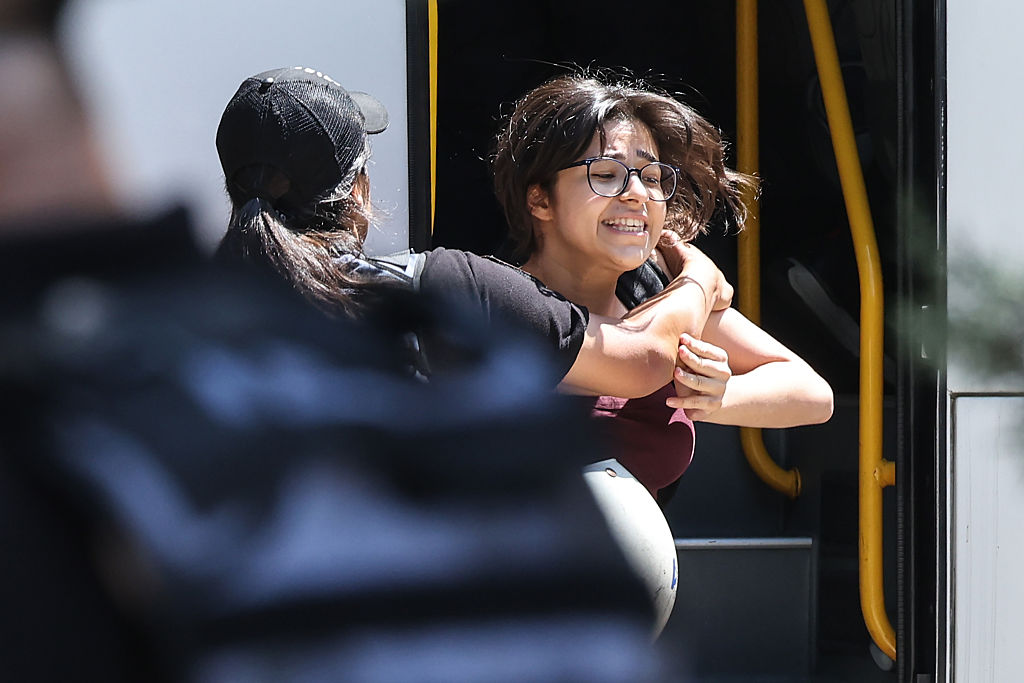
But participants enjoying these “privileges and immunities” also have a duty to respect Türkiye’s laws and regulations and not to interfere in its internal affairs, the agreement states. Rights groups fear its wide-ranging formulation could be used to discourage criticism of the host government.
Climate Home News understands that whether an action is covered by the immunity or infringes on the host’s internal affairs would be evaluated on a case-by-case basis, with close coordination between the country’s authorities and the UN climate change body.
A separate provision states that immunity shall be waived where the UN believes it would “impede the course of justice”.
‘Chilling effect’
Those same provisions featured in the host country agreements for COP28 in the United Arab Emirates and COP29 in Azerbaijan, both regarded as authoritarian regimes, before being dropped for COP30 in Brazil.
Ann Harrison, climate justice policy advisor at Amnesty International, said it is “extremely disappointing” that the COP31 agreement re-introduced clauses that could “hinder the ability of human rights defenders and civil society organisations to conduct their work safely”.
COP31 electrification pledge leaves out clean power commitment
She added the provisions could have a “wider chilling effect” on rights to freedom of expression and peaceful assembly, given concerns over the human rights situation in Türkiye, including laws that “have shrunk civic space” and their “abusive” implementation by authorities.
The UN climate change body declined to comment.
Rights groups have documented blanket protest bans, unlawful use of force by the police and prosecutions of journalists, human rights defenders and lawyers across Türkiye in the last year.
Arrests and protest bans
Last July, environmental activist Esra Işık was sentenced to more than two years for “resisting” a public official over what Amnesty International described as a peaceful protest against an urgent expropriation order linked to the expansion of coal mining in south-western Türkiye. She is appealing the conviction.
Ahead of a summit of the NATO alliance in the capital Ankara in July, authorities put in place a 13-day blanket ban on demonstrations, citing “national security”, and arrested over 200 people. Human Rights Watch said the crackdown showed Türkiye’s “ruthless intolerance of freedom of speech and assembly”.
Earlier this month, Turkish police detained dozens of people as part of what rights groups described as the government’s widening crackdown on LGBTQ+ activists and venues.
Questioned by media as to how he would guarantee the right to protest at COP31, Kurum said earlier in September that his team would “try to meet” any request they receive from civil society and give them “a free space to express themselves”.
“Don’t worry, thinking you will not be able to voice your opinions or really share your thoughts,” he said in an attempt to reassure campaigners, adding that he had put former deputy environment minister Mehmet Birpinar in charge of liaising with civil society.
Civic space needed
Camilla Pollera, human rights and climate change campaigner at the Center for International Environmental Law (CIEL), said meaningful participation at COP31 is fundamental to the legitimacy of climate action.
“At a climate summit, civil society participation necessarily includes being present, speaking out, scrutinising governments’ decisions and climate policies, and advocating for communities most vulnerable to climate change,” she added.

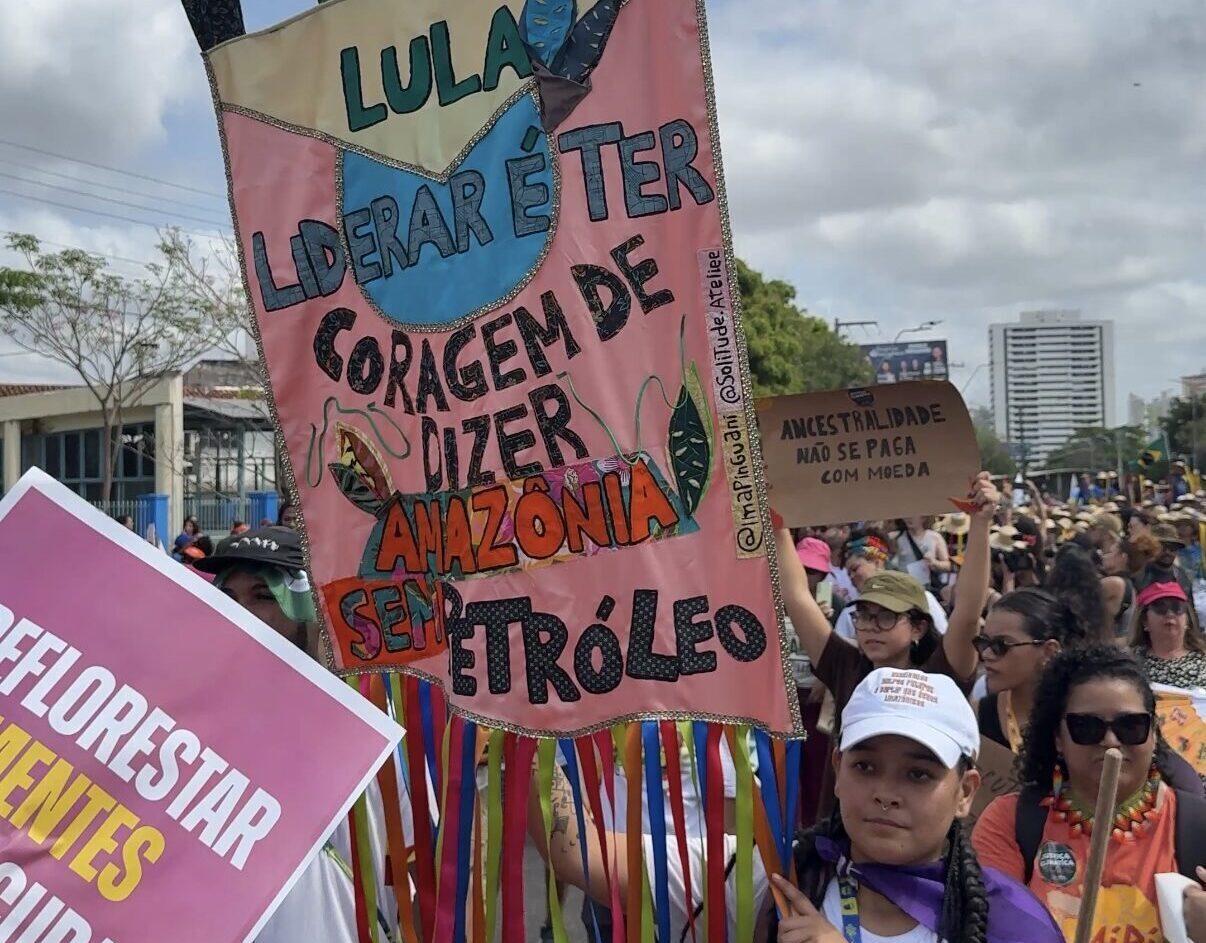
At last year’s COP30 summit, thousands of Indigenous people and climate activists peacefully marched through the Amazonian city of Belém in the first major demonstration outside the UN venue in four years. Smaller-scale demonstrations were largely confined to the “Blue Zone” at COP27 in Egypt, COP28 in the UAE and COP29 in Azerbaijan.
In two other separate incidents in Belém, members of the Munduruku tribe blocked access to the conference centre for hours, demanding an end to development projects in their ancestral land, and protesters stormed through the venue clashing with UN security officials.
The COP31 hosting agreement keeps some of the safeguards previously hailed by civil society groups. The government and the UN secretariat commit to upholding “the fundamental human rights” of all participants in the agreement’s preamble.
Under the deal, Türkiye also needs to ensure that security personnel follow “the highest ethical and professional standards and are expected to behave with integrity and respect”.
The post COP31 attendees told not to interfere in Türkiye’s “internal affairs” appeared first on Climate Home News.
COP31 attendees told not to interfere in Türkiye’s “internal affairs”