Climate Change
Building coastal resilience for local communities in Honduras

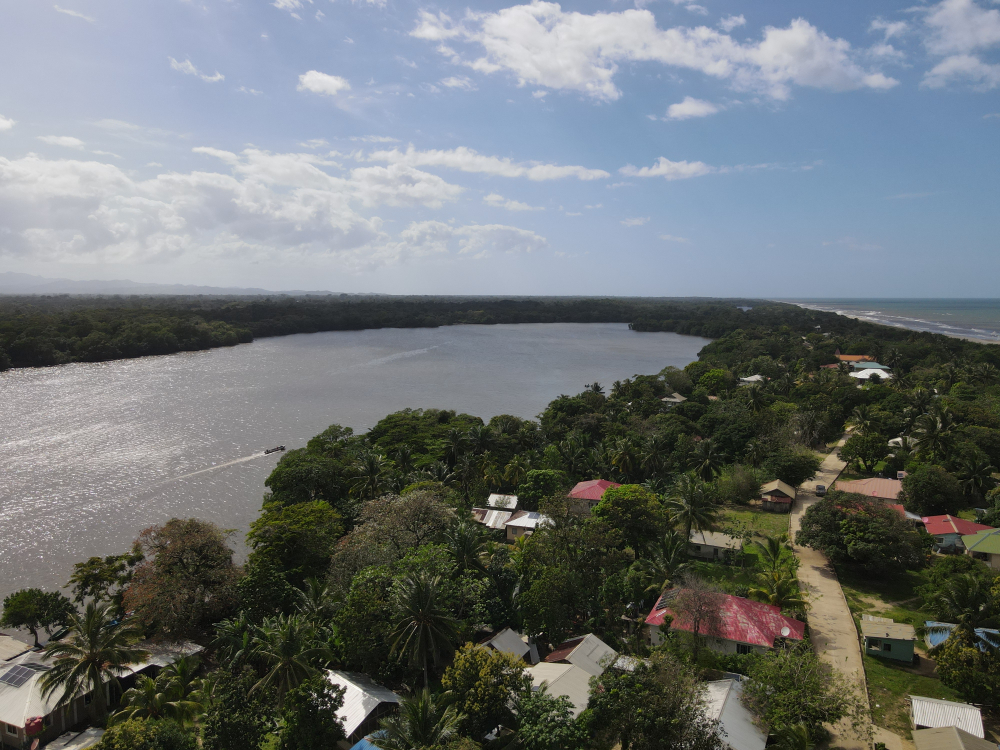
There is a remote corner of Honduras where tropical rainforests and vast lagoons are commonplace.
In the Gracias a Dios department, stretching across the country’s southeast coastline, the weather is hot and humid all year round. The region forms part of the Mosquito Coast and is known for its natural beauty, significant biodiversity and intricate waterways that almost touch the Atlantic Ocean.
The people who live here are few and far between, numbering around 100,000 across a huge landscape of almost 7,000 square miles. The Indigenous population has long built its life and culture from within this remote landscape, working with nature to serve their essential needs.
But it is this inaccessibility and close reliance on the natural environment which is now posing a serious challenge to the health and wellbeing of local people. As the climate crisis intensifies, people are being forced to find innovative solutions to maintain their way of life.
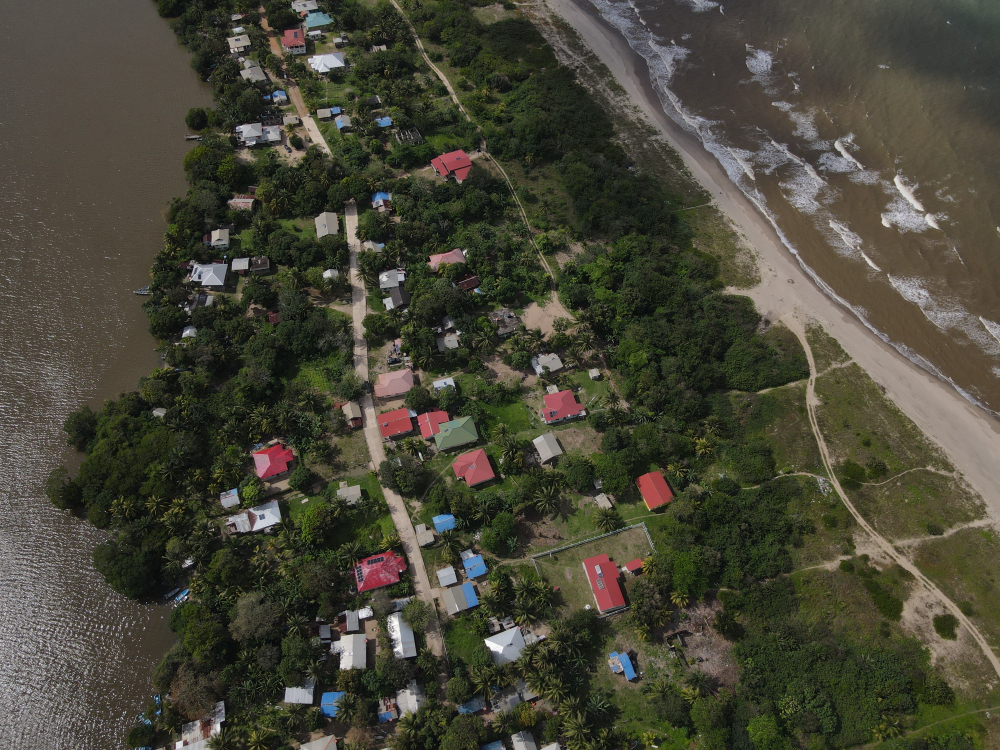
“The Indigenous and Afro-descendant communities…live in a territory highly exposed to the effects of climate change,” said Kevin Santos, a project manager at the Comisión Acción Social Menonita (CASM), a non-profit Honduran organisation with offices across the country.
“Their location combined with limited connectivity, the fragility of the infrastructure, and a strong dependence on natural resources means that climate events have direct impacts on daily life and livelihoods,” he commented.

Giving people direct control
The threats these communities now face include flooding, hurricanes, coastal erosion, drought and rising sea levels.
“When an emergency occurs, difficulties with transport, communication and access to services can delay the response and increase the impacts. For communities, adaptation therefore means not only preparing for a climate event, but also strengthening their ability to anticipate, respond and recover,” said Santos.
To tackle this crisis, local people have developed a series of interventions to build resilience and protect their families.
Push for ocean roadmap that informs next global stocktake grows at COP31
The project is being implemented by CASM and developed under the Adaptation Fund’s locally led adaptation programme. The initiative gives local institutions the ability to implement climate solutions with direct control over their financing needs.
The project is now approaching the midpoint of its four-year, US$4-million grant programme to support the Indigenous people in the Juan Francisco Bulnes and Brus Laguna municipalities adapt to these ever-present climate risks. A large proportion of the financing is being directed towards building adaptation across four areas: disaster preparedness, resilient infrastructure, ecosystem restoration and sustainable agriculture.
One tailored solution includes restoring mangroves and forests to act as natural barriers and reduce the impact of flooding and erosion. In addition, communities saw the need to combine both water and renewable electricity, with a plan to invest in solar systems to keep essential water systems running during extreme weather events.
Locally led priorities
Overall, the evolving plan has a target to reach 18,000 people, roughly the combined populations of both districts, with 60% of beneficiaries being women.
According to CASM, one of the main priorities identified by local people was to strengthen community-based early warning systems. The ability to have timely information when exposed to hurricanes and flooding makes all the difference in allowing people to prepare and evacuate. New emergency shelters are being created and personnel trained on how to run them.
The intervention calls for women to be directly involved in these contingency and risk management plans, alongside ensuring these plans are responsive to the different challenges men and women face in an emergency.
“Women often take on a significant share of responsibilities related to water, food, family care and household recovery. For this reason, a gender approach is a cross-cutting component of the programme,” added Santos. This forms part of a wider priority to strengthen community organisation and create spaces for people to effectively participate in managing their own adaptation actions.
To date, one of the learnings from the project has been the need to combine climate solutions. “Resilience requires an integrated approach rather than an isolated intervention,” said Santos.
“A community may need a water system, but also energy to keep it operating; it may need an early warning system, but also communication and transport to respond to the warning. It may need protection from flooding, but also healthy ecosystems that reduce exposure,” he added.
Different continent, same challenges
Similar interventions are being pursued across the Atlantic Ocean in Côte d’Ivoire and Ghana. A regional programme implemented by UN-Habitat has successfully restored 248 hectares of mangrove ecosystems across both countries in a bid to reduce coastal vulnerability and improve shoreline stability.
A total of 21 communities dotted along the coast are involved in the project with 126,000 potential beneficiaries. Early warning systems have also been identified by communities as essential to reducing the impact of the rising sea levels and frequent storms.
Furthermore, the project is preparing to build solar-powered irrigation systems to train farmers on climate-resilient agricultural techniques.
Mouhamadou Diene, regional project coordinator at UN-Habitat, commented: “Some significant project solutions have been identified to improve the resilience of coastal communities in Ghana and Côte d’Ivoire…both countries share the Gulf of Guinea coastline and face interconnected coastal climate risks”.
In Guatemala, Indigenous women build climate resilience with old and new farming methods
Both the Latin American and African projects dovetail with the focus on ocean and coastal management at the UN climate conference underway in Antalya, Türkiye. Alongside coastal resilience, they support climate-proofed infrastructure, disaster risk reduction, nature-based solutions, water and food security – key themes also being negotiated at the conference.
“Country and locally led adaptation solutions such as those in Honduras and the regional approach in Ghana and Cote d’Ivoire are having significant impacts in empowering vulnerable communities to build resilience to sea level rise and related climate risks,” said Mikko Ollikainen, head of the Adaptation Fund. “Scaling up successful adaptation projects is increasingly important as we see climate impacts becoming more intense and erratic,” he added.
Lessons on coastal resilience
People living in coastal regions are experiencing a barrage of climate pressures, and these aren’t restricted to isolated communities. An estimated 900 million people worldwide live in low-lying coastal zones and are threatened by extreme weather events, according to the UN.
As national governments seek to develop new policy interventions to tackle these risks, the experiences of people in places such as Gracias a Dios are illuminating.
“Adaptation works better when solutions are based on local knowledge and priorities,” argued Santos. “Rather than centrally defining what each community needs, work with community organisations to identify risks, discuss alternatives, and develop proposals grounded in the local context,” he urged.
By doing so, researchers believe climate adaptation can be made more sustainable, combining local know-how with the technical information and resources to ensure solutions reach the people who need them the most.
Adam Wentworth is a freelance journalist based in Brighton, UK.
The post Building coastal resilience for local communities in Honduras appeared first on Climate Home News.
Building coastal resilience for local communities in Honduras