Climate Change
At pre-COP, UN climate chief warns of heat threat to mothers and babies
Extreme heat poses a growing threat to pregnant women and their babies, both before and after birth, the UN climate chief said on Monday, calling it “a new faultline in the global climate crisis, and one which is potentially fatal”.
Speaking on the first day of the pre-COP31 meeting in Fiji, where new research was launched on the issue, Simon Stiell warned: “This faultline must not become another deep chasm of climate-driven suffering, inequality and injustice.”
Rather than being a time of hope, he added, pregnancy is becoming “a time of anxiety, as climate impacts fill everyday life with risk”, straining health systems and threatening essentials like food, water and power – especially in poorer countries where many women work outdoors and live in informal housing far from under-equipped clinics.
-
What’s on the climate calendar for October 2026?
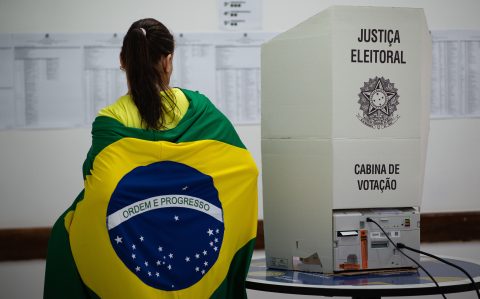
Brazilians are heading to the polls, diplomats are gathering in the Pacific for pre-COP, and it’s crunch time for the IPCC -
WHO issues new guidance on heat-health action plans, as El Niño sets in
Amid warnings of “unprecedented” weather extremes this year, the World Health Organization urges governments to strengthen protections for vulnerable groups


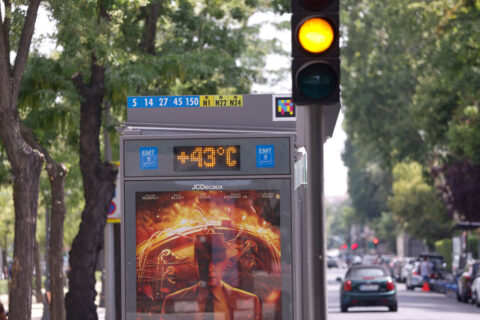
In a new international survey of 1,000 maternal healthcare professionals in Australia, Brazil, India, the UK and Zimbabwe, around three-quarters reported an increase in heat-related cases or complications affecting pregnant women, as well as foetal and newborn health, over the past five years.
Nearly all respondents in the survey commissioned by Wellcome, a global charitable foundation, said they had cared for a pregnant woman or baby whose health they believed had been affected by extreme temperatures.
Researchers have linked heat exposure with preterm birth, low birth weight, stillbirth and maternal complications. For every 1 degree Celsius rise in heat exposure, the odds of preterm birth increase by around 5%, while exposure to heatwaves is associated with a 25% higher risk of obstetric complications.
“No woman should have to fear that extreme heat will harm the baby she is carrying,” said Julia Gillard, chair of Wellcome and former Australian prime minister, adding “pregnant women must not be invisible”.
Call to include mothers and midwives
Wellcome urged governments to include pregnant women, new mothers and babies in their national climate and health plans, with funded measures to protect them from extreme heat.
It also called on the World Health Organization to develop clinical guidance on heat, pregnancy and the postpartum period, alongside stronger data and surveillance on how heat exposure impacts maternal and newborn health.
The charity is backing a study in Zimbabwe and South Africa to test simple interventions such as handheld fans, reflective paint on health-facility roofs and community-led climate information systems.
Extreme heat costing India’s poorest workers 2% of GDP, survey finds
The International Confederation of Midwives, which represents over 2 million midwives, is also pushing for action, asking countries to include maternal healthcare professionals in their National Adaptation Plans, and provide finance to ensure clinics have access to reliable water, power and cooling.
Chief executive Anna af Ugglas told an event on adaptation at Climate Week NYC that midwives tire more easily when working in high heat, which can lead them to make errors. They are often first responders in a crisis – and yet “too many climate and emergency plans are still developed without them”, she added.
Pacific hosts Pre-COP
The campaign to put maternal health on the climate policy agenda kicked off the proceedings in Fiji, where ministers and other attendees from around 50 countries are gathering this week to advance discussions in the run-up to the COP31 climate summit in Antalya next month.
This year’s annual UN climate conference is taking place in Türkiye which holds the COP presidency, while Australia is in charge of the negotiations – a deal worked out after a long rivalry to host COP31.
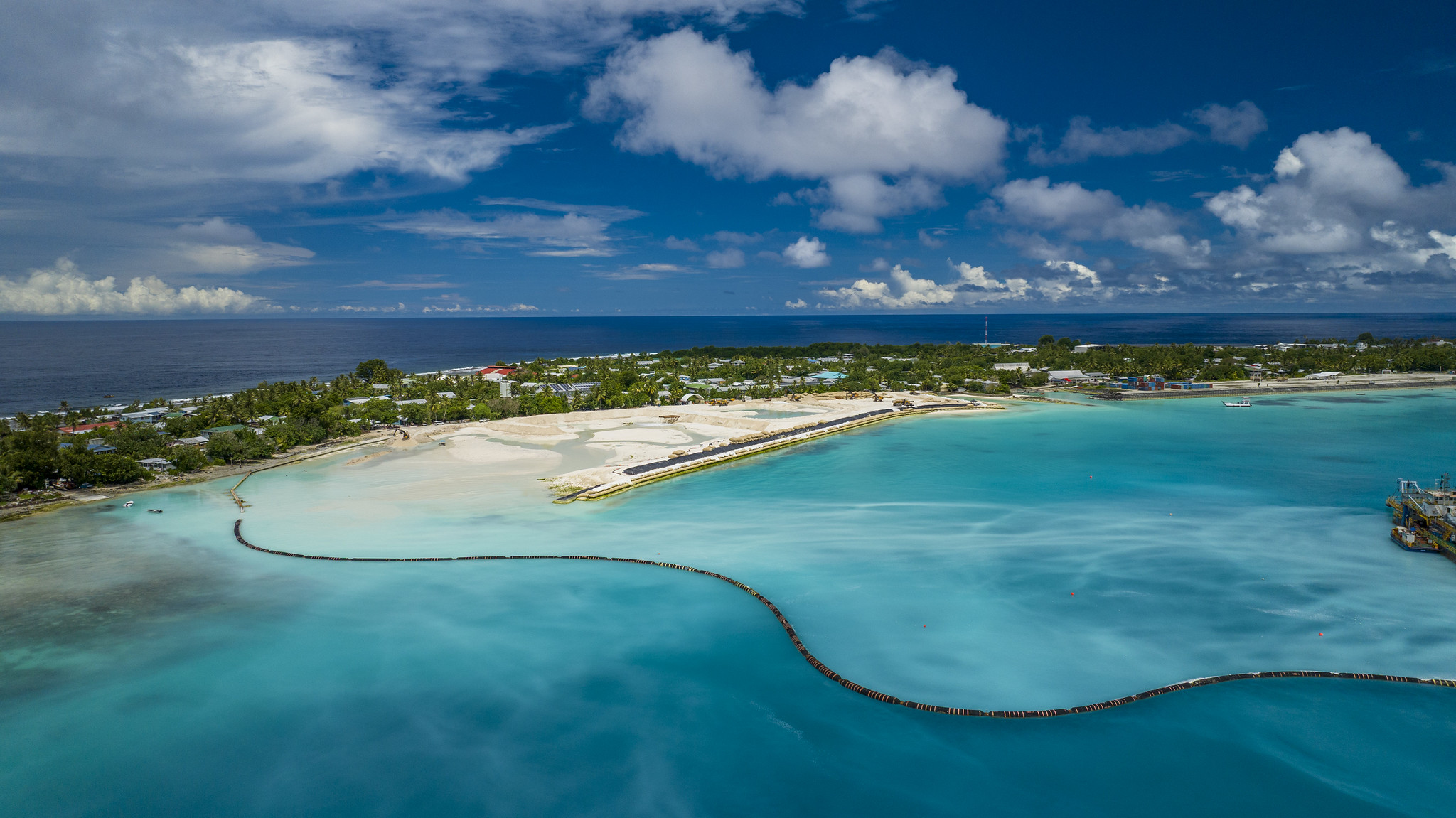
Australia is using its role to spotlight the concerns of the Pacific region to which it belongs, where low-lying island nations are under threat from sea level rise.
On Tuesday, a group of 14 government leaders – mainly from the Pacific – plus heads of international organisations including the Green Climate Fund and the Asian Development Bank will visit climate resilience projects in neighbouring Tuvalu.

Key themes for the pre-COP – a glitzier event than usual – are keeping the 1.5C global warming limit within reach despite a projected overshoot, protecting oceans and improving access to finance for small island nations and the least-developed countries.
At a press conference on Monday, Australia’s climate change and energy minister Chris Bowen flagged his country’s investments in renewables, both in Pacific nations such as Vanuatu and at home, saying this would help lower the use of diesel, fossil gas and coal in energy supplies.
Ahead of the pre-COP, Australia has been criticised by climate campaigners and some Pacific leaders for greenlighting expanded coal production on its territory.
As COP31 co-host, Australia should make its polluters pay for climate damage
Asked about Australia’s ongoing support for fossil fuels, Fiji’s climate minister Lynda Tabuya said the issue had been raised by “certain countries” at a ministerial meeting on Monday.
“There will be things that we disagree on, but we can agree to disagree – and we’re just very grateful for the support of Australia and the commitment towards renewable energy, and I think that’s the direction that we need to take, especially in the Pacific,” she added.
The post At pre-COP, UN climate chief warns of heat threat to mothers and babies appeared first on Climate Home News.
At pre-COP, UN climate chief warns of heat threat to mothers and babies