Climate Change
As COP31 weighs 35×35 pledge, IEA says Hormuz crisis driving electrification
The flagship World Energy Outlook report from the International Energy Agency (IEA) shows that countries have turned to electrification as one of their main responses to the Hormuz crisis, which has helped more countries to wean their economies off fossil fuels.
Twenty-five countries – most of them in Asia – have announced new electrification policies since February, the report says, driving demand for electric motors in industry, electric vehicles, renewable power generation and heat pumps.
The war in Iran has become the largest energy supply shock in history, the report shows, and the longer the crisis extends, the more countries will likely turn to electricity, said IEA chief Fatih Birol at a launch event at IEA headquarters in Paris.
But the IEA warned that security concerns alone will not deliver the emission cuts needed. Current policies point to 2.9C of warming by 2100 and the latest national climate plans do not foresee a significant acceleration of emissions reductions.
At COP31, Birol called on countries to deliver an “unmistakeable signal” to markets by strongly backing a pledge – which the IEA was involved in drafting – to increase electrification from 23% to 35% of final energy consumption by 2035. Around 75 countries – both developed and developing – are said to have endorsed the pledge, although the Turkish presidency has yet to release a list.
At the report launch event, he added that his message on electrification being a policy that strengthens energy security and lowers emissions “found a very strong echo” at COP31, and that climate goals and energy security policies are now “very well aligned”.
“Countries putting policies that improve their energy security also have to reduce their emissions. As an energy organisation, we would like to see more energy and less emissions,” he said.
-
COP31’s electrification pledge wins support, with caveats on clean power and finance
At least 14 countries have endorsed the voluntary pledge so far, but island nations warn it must not distract from the shift away from fossil fuels -
COP31’s electricity goal must be about more than AI and luxuries for the rich
The pledge to boost electrification must not neglect the pressing need to bring clean, affordable power to hundreds of millions of people still living without it -
COP31 Bulletin Day 10: Ministers’ exchange makes little clear progress
On Wednesday night, ministers got the chance to swap views on what should be in the cover decision, but it seems few differences were bridged


Transition away from fossil fuels can deliver benefits
The IEA report suggests that, in a scenario aligned with the Paris temperature limit of 1.5C, a planned transition away from fossil fuels and into renewable sources could cut energy bills and add millions of jobs in the energy sector.
In the IEA’s net zero pathway, annual clean energy investment triples to around $4.5 trillion over the next decade. The energy sector also adds 15.6 million jobs by 2035, most of them building clean power and grids.
Under that scenario, jobs in fossil fuel supply would halve over the same period, with the IEA warning that policies are needed to support workers and communities during the transition.
According to the IEA report, electricity could already reach around 33% of final energy consumption by 2035 at a profit, using today’s prices and technology costs.
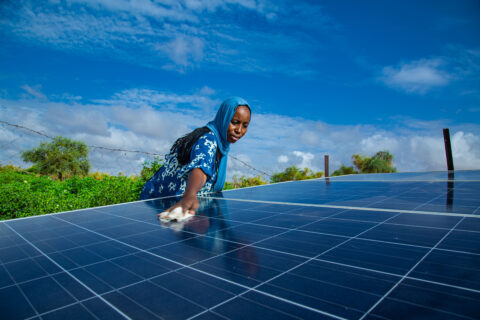
Solar generation in particular has become the preferred option for many developing countries, particularly in Asia and Africa, and in 2025 it has achieved the third-largest increase in capacity by any energy source, the report shows.
Even under conservative scenarios in which countries roll back climate policies, solar power is forecast to grow strongly, reaching about half of global electricity generation by 2035, up from around 33% today.
Birol said at the report launch that the agency’s forecast from two years ago that the world would enter an age of electricity has been “comfortably” fulfilled.
COP31 must carry fossil fuel phase out forward, experts say
David Tong, global industry lead at Oil Change International, called on countries at COP31 to deliver “credible roadmaps to phase out fossil fuels” and deliver finance that helps developing countries “electrify almost everything”.
At COP31, Denmark, Finland and Portugal released new roadmaps to wean their economies off coal, oil and gas, joining France, Germany and the Netherlands who had already published their plans before COP. Spain, Brazil, Ireland, Luxembourg and the Pacific islands as a region have also committed to producing their own.
Bill Hare, a veteran climate scientist and CEO of the climate think tank Climate Analytics, said the report shows that countries need to start planning the transition away from fossil fuels and that COP31 must take this conversation forward, because the alternative is to “essentially cook the planet”.
He added the Australian and Turkish co-presidency must follow the steps of Brazil and, if they can’t get this in the final decision in Antalya, they must “run a presidency process” that carries the conversation forward.
The post As COP31 weighs 35×35 pledge, IEA says Hormuz crisis driving electrification appeared first on Climate Home News.
As COP31 weighs 35×35 pledge, IEA says Hormuz crisis driving electrification