Climate Change
Agricultural subsidies can be repurposed for a just and sustainable rural transition

Orhan Solak is deputy director of Türkiye’s Directorate of Climate Change.
In today’s fraught economic context, everyone is looking to do more with less, and financing climate action is no exception. Yet there are clear opportunities to make better use of existing funding to achieve climate goals, including the repurposing of more than $700 billion in agricultural subsidies to support a just rural transition.
While public support for agriculture and food security has increasingly been reflected in global climate discussions, particularly in the context of the Paris Agreement’s Global Goal on Adaptation (GGA), the scale and urgency of current challenges call for stronger consensus and rapid implementation of practical, context-sensitive solutions.
The need to empower farmers to adopt sustainable practices, such as reducing food loss, cutting waste, building resilience and managing water resources wisely, is not a modern ethos. It echoes the model of Göbeklitepe, civilisation’s earliest-known settlement, built on the principles of solidarity, balance and harmony with nature.
This historical perspective underscores that sustainable resource management is deeply rooted in human development, and it reinforces the importance of aligning today’s agricultural transformation with both environmental integrity and social equity.
-
COP31 must persuade countries to make fossil fuel transition plans
As the Iran war disrupts oil and gas supplies, the UN climate summit should tackle fossil fuel dependency, energy affordability and energy access – national roadmaps are a good start


However, to date, public support for farming globally has largely prioritised synthetic fertilisers and input-intensive production models, often overlooking more sustainable, resource-efficient and resilience-oriented agricultural practices.
The good news is that countries are increasingly recognising that climate action cannot come at the cost of food security, dignified livelihoods and greater equality. Any transition to more sustainable food systems must be “just” for the farmers and the rural communities that underpin them.
Enhancing long-term food security
As COP31 President, Türkiye will draw on its unique historical and geographical position as a bridge between regions and civilisations to foster dialogue, strengthen cooperation and mobilise collective efforts toward scaling up finance towards net zero targets, a vital pillar of this year’s COP31 climate talks in Antalya.
Moving forward, greater emphasis should be placed on supporting sustainable and climate-resilient agricultural systems through targeted investments, capacity-building, innovation and nature-positive practices.
Strengthening support for efficient water use, soil health, agroecological approaches and circular production models can enhance long-term food security while improving resilience to climate-related shocks.
Comment: Nature cannot be ignored by Europe’s next big budget
In this context, aligning agricultural policies and financing mechanisms with sustainability objectives will be essential not only for protecting natural resources, but also for ensuring inclusive rural development and intergenerational equity.
A just rural transition that achieves climate goals and zero waste without undermining agricultural communities and economies is not possible without countries providing the necessary financial support. Redirecting agricultural subsidies offers a promising path toward both objectives, but only when reform is carefully designed and sensitive to context. Done well, it can offer a way to ease pressure on governments to find fresh funding.
New high-level panel to offer alternatives
This is the mission of a new High-Level Panel for a Just Rural Transition, recently launched in Ankara. Together with panel members that include former heads of state, senior officials from international organisations, and government representatives from across Africa, the Americas and Europe, I believe we can provide governments worldwide with viable and sustainable alternatives.
In the context of heightened scrutiny over international aid and finance, redirecting existing funding makes both economic and environmental sense.
New data shows rich nations likely missed 2025 goal to double adaptation finance
In Türkiye, farm subsidies have, for several years, increasingly supported organic farming through an established certification system aligned with international standards. The Green Deal Action Plan, published in 2021, set out objectives to reduce the use of pesticides and chemical fertilisers, promote organic production, increase renewable energy use, and improve waste and residue management.
In addition, Türkiye’s Climate Change Adaptation Strategy and Action Plan (2024–2030) further strengthens this policy direction by integrating climate resilience considerations into agricultural practices and supporting sustainable land and resource management approaches.
Other countries are also embracing innovative approaches. Malawi, for example, is piloting a system in which subsidies for synthetic fertiliser are conditional on other, more climate-positive practices such as diversifying the crops planted to help improve soil health or applying soil conservation measures and managing soil organic matter. Elsewhere, the UK is also shifting to a model that rewards environmental stewardship through its Sustainable Farming Incentive (SFI).
The exact ways in which farm subsidies are redirected will depend on each country’s specific circumstances and needs, but the overall approach is one that stands to benefit all nations.
Channelling public support away from high-emission practices is not only a strategy for addressing today’s challenges, but also one that helps build long-term resilience.

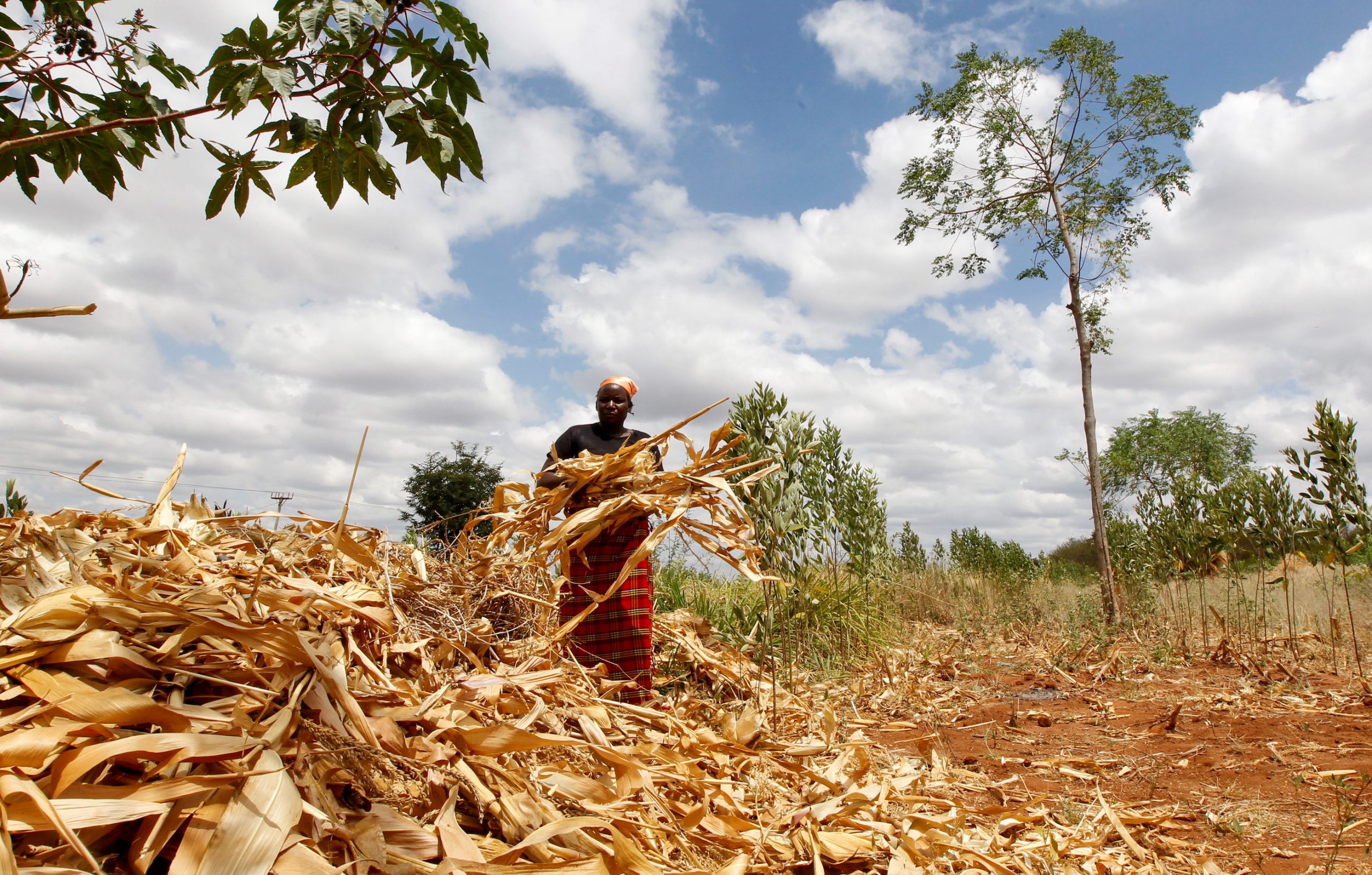
Just Transition Mechanism consultations in Bonn
This month’s Bonn Climate Conference will mark an important milestone on the road to COP31, helping to shape the agenda for the negotiations in Antalya six months later.
Countries will consult over the Just Transition Mechanism, the financial framework designed to ensure the transition to a climate-neutral economy is fair. This is a vital opportunity to ensure that agrifood systems and rural communities are placed at the heart of its agenda, and it is a moment to reinforce the philosophy of COP 31: from dialogue to consensus and action.
To accelerate climate action at the “COP of the Future”, we must learn from the past and improve upon it through strengthened dialogue, consensus-building, and concrete, action-oriented outcomes.
Countries should recognise that a just rural transition requires action not only from actors within the agrifood system, but across all relevant sectors and industries. Momentum is steadily growing, and under Türkiye’s COP31 Presidency priorities, this agenda is expected to feature prominently. This momentum sets the stage for a defining COP31 for climate equity and inclusive climate action.
The post Agricultural subsidies can be repurposed for a just and sustainable rural transition appeared first on Climate Home News.
Agricultural subsidies can be repurposed for a just and sustainable rural transition