Climate Change
A strong El Niño spells more climate pain for the Philippines
Suresanathan Murugesu is the country director of Action Against Hunger in the Philippines
The Philippines is caught in an extreme weather trap. Here, forecasts for a strong El Niño in the months ahead do not just indicate a period of drought – they also point to torrential rain and flooding.
It could hardly come at a worse time, threatening communities that are still struggling to recover from previous typhoons, such as last year’s Typhoon Tino, as well as two strong earthquakes – in Cebu in September 2025 and last month’s 7.8-magnitude quake in Mindanao.
Forecasts point to the arrival of one of the most intense El Niños in recent history this year and into 2027, with the United Nations warning that it could be the strongest in decades around the world.
The peak of the El Niño is expected towards the end of the year, but the weather phenomenon is already estimated to have caused agricultural losses of nearly €30 million (£25.9 million), potentially affecting the livelihoods of 4 million farmers.
-
Scientists warn El Niño could intensify climate extremes in 2026
Climatologists say a particularly powerful weather pattern could amplify wildfire risk, heatwaves and flooding worldwide as global temperatures continue to rise -
WHO issues new guidance on heat-health action plans, as El Niño sets in
Amid warnings of “unprecedented” weather extremes this year, the World Health Organization urges governments to strengthen protections for vulnerable groups -
Philippines storm victims to seek damages from Shell in “unprecedented” climate claim
The case is the first civil claim to directly link an oil firm’s climate impact to deaths and personal injury in the Global South, its backers say


On the climate frontline
For many, El Niño is a figure in a report or a distant headline, but for those of us who live and work on the ground, it is a reality that is already hitting the most vulnerable families.
When I travel through the communities of the Bangsamoro Autonomous Region – in the south – or speak with families on the island of Siargao or in the Zamboanga region, I do not see data or graphs.
I see a father looking at his cracked rice field, wondering how he will pay off the debts from a harvest that is already lost before it has even begun. I see a mother walking under a relentless sun because her village’s well has dried up, carrying the water that sustains the health of her children and her entire community.
And what we are seeing today – 26 provinces experiencing drought and millions of dollars in agricultural losses – is only the beginning.
Loss and damage fund delays first project approvals as needs dwarf resources
Many Filipino families are still trying to rebuild and recover after last year’s typhoons and the two earthquakes. In Mindanao, where the recent magnitude 7.8 earthquake displaced more than 90,000 people and destroyed over 19,000 houses, uncertainty remains about when the people will be able to fully recover and return home.
Today, they are trying to protect the meagre possessions they have and, if they are lucky enough to have their home unscathed by typhoons and earthquakes, their homes from flooding; tomorrow, they will have to survive the hardship and impact of drought.
The effects of El Niño threaten to exacerbate their troubles.
Struggle for basic needs
Many low-income Filipino families already face significant challenges to meet their basic needs.
In our daily visits, we see how life is becoming increasingly difficult for millions of people. Rising fuel and transport costs are driving up the price of basic foodstuffs, making them unaffordable for many families. At the same time, crop failures and income losses are leaving households without livelihoods, while disasters contribute to further suffering.

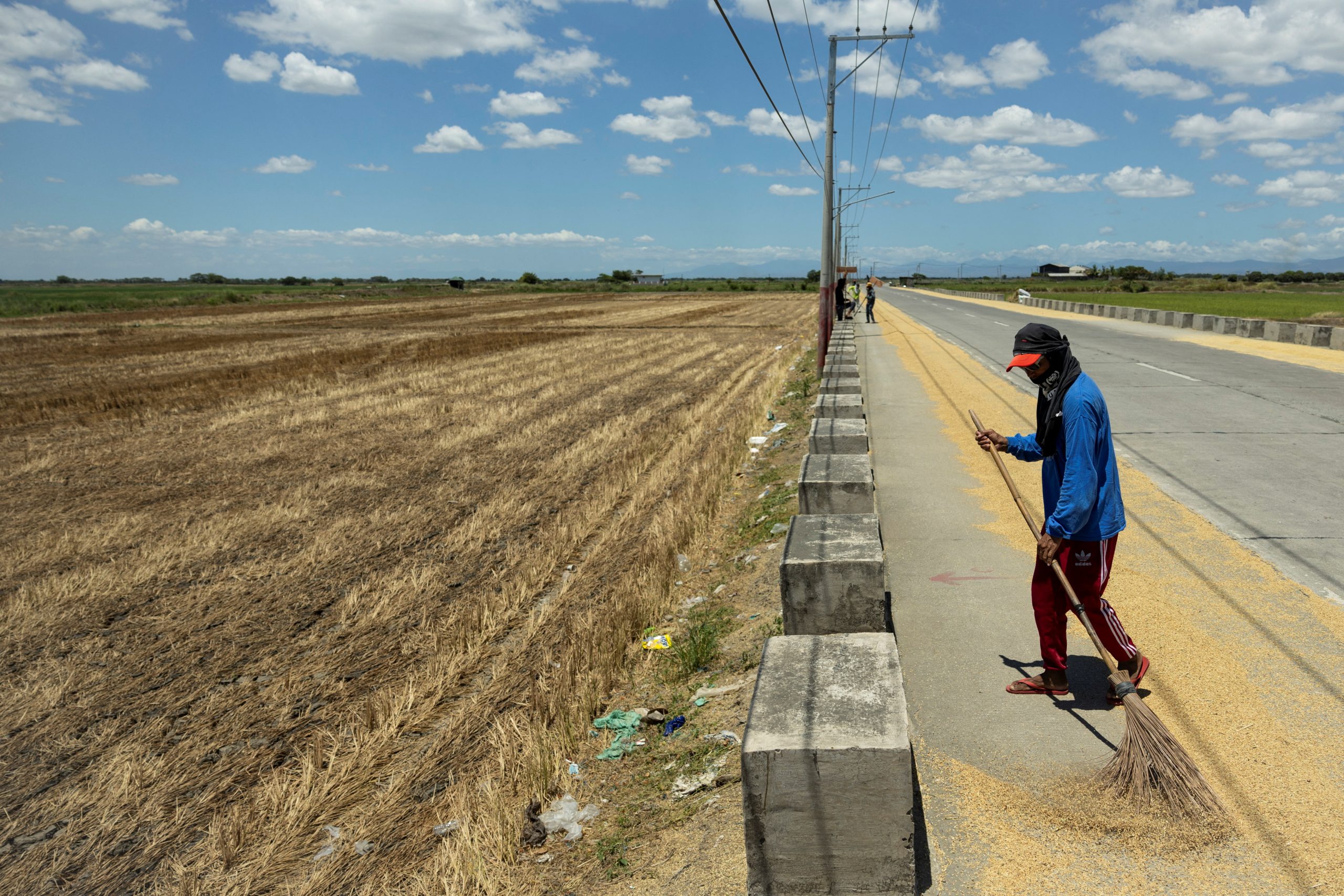
But we are not just talking about hunger. We are talking about health, safety and dignity. Water shortages are forcing many people to resort to unsafe sources, increasing the risk of disease. And, as is the case in so many crises, it is the most vulnerable who bear the heaviest burden: walking long distances every day to fetch water or food, enduring enormous physical strain and facing risks of violence and insecurity.
Building resilience
Faced with this reality, our response is based on a simple idea: to be there before the crisis reaches its most critical point. At Action Against Hunger, we work alongside communities to anticipate the situation, assessing the impact of the drought and activating early response mechanisms to protect their livelihoods and access to water.
We translate climate forecasts into concrete action plans: from support for farmers to programmes ensuring safe water. All of this is done in coordination with local authorities and international partners, because we know that what we do today will make the difference tomorrow.
The hardest months are yet to come. But the question is not just what will happen, but what we are doing now to prevent it. How many tables will remain empty and how many children will see their health compromised will depend on our ability to act in time.
We cannot stop El Niño. But we can prevent it from becoming a crisis of human dignity. We cannot afford to look the other way whilst the earth cracks and opportunities disappear. Because behind every statistic, there is a family struggling to get by. And that is a reality we cannot ignore.
The post A strong El Niño spells more climate pain for the Philippines appeared first on Climate Home News.
A strong El Niño spells more climate pain for the Philippines