Carbon Footprint
A Record 3.5M Methane Credits Trade at Xpansiv CBL Signals New Era for Gas Markets


A major transaction in the methane market is drawing attention across the energy sector. Xpansiv and MiQ announced the settlement of 3.5 million methane certificates on the Xpansiv CBL exchange. This is one of the largest trades of its kind to date.
The deal involved a European energy buyer and a large integrated energy producer. It covered 3.5 million MMBtu of U.S.-produced natural gas, with emissions verified under the MiQ standard.
The transaction shows that methane certification is moving from pilot programs to real market activity. It also highlights the growing demand for transparent emissions data in global gas supply chains.
What Are Methane Certificates: Tracking Invisible Emissions
Methane certificates track the emissions intensity of natural gas. They provide independently verified data on how much methane is released during production and transport.
Xpansiv CEO John Melby stated:
“We are excited to support the energy sector’s transition to certified natural gas by providing secure and scalable market infrastructure to transact and settle these innovative instruments. This transaction sets a new benchmark for the integration of verified environmental performance in the global energy markets, enhancing precision, rigor, and integrity in responsible natural gas sourcing.”
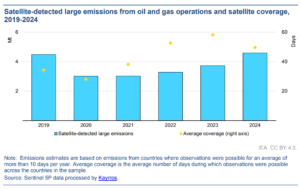
Methane is a powerful greenhouse gas. According to the International Energy Agency, methane has a much higher warming impact, 80x more than carbon dioxide over the short term. So, reducing methane leaks is one of the fastest ways to cut global warming.

MiQ certificates assign grades based on emissions performance. These grades help buyers choose lower-emission gas. The system creates a financial incentive for producers to reduce methane leaks.
Certification also supports compliance. The European Union Methane Regulation requires companies to measure and report methane emissions using strict standards.

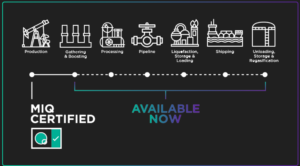
As rules tighten, verified data becomes more valuable. This is driving demand for certified gas and related environmental products.
From Pilot to Market Reality
This transaction is not just large. It also shows how methane markets are evolving.
- First, it demonstrates that market infrastructure is maturing. The trade was settled through Xpansiv’s CBL exchange, which allows secure and transparent transactions without complex bilateral agreements.
- Second, it reflects growing cross-border demand. European buyers are increasingly seeking certified gas to meet regulatory and corporate climate goals.
- Third, it sets a benchmark for scale. Earlier, methane certificate trading was limited. This deal shows that multi-million unit transactions are now possible.
Industry leaders see this as a step toward integrating emissions data into everyday energy trading. It brings methane performance closer to becoming a standard market factor, like price or volume.
Rising Demand from Data Centers and Energy Use
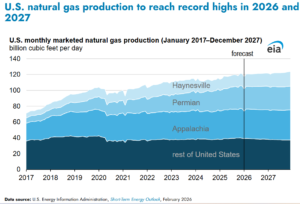
One key driver of methane certificate demand is rising energy consumption. The U.S. Energy Information Administration projects that U.S. natural gas use could increase by up to 7.3% between 2025 and 2027. It is also expected to hit a record-high 122.3 Bcf/d in 2027.

A major reason is data center growth. Artificial intelligence and cloud computing require large amounts of electricity. Many data centers rely on natural gas for reliable power.
Tech companies are now looking at emissions across their energy supply chains. This includes methane emissions from gas production. Methane certificates offer a way to track and manage these emissions.
This trend links digital growth with environmental accountability. As data demand rises, so does the need for cleaner energy sourcing.
A Rapidly Expanding Market and Emerging Trends
Methane certification is part of a broader expansion in environmental markets. Platforms like Xpansiv support trading in:
- Carbon credits
- Renewable energy certificates
- Methane performance certificates
These markets are growing quickly. On Xpansiv’s CBL exchange, trading volumes in environmental commodities have reached millions of tons annually, with strong growth in recent years.
MiQ has grown rapidly since its launch and is now a major player in methane certification. Today, MiQ certifies about 25% of U.S. natural gas production and more than 5% of global gas supply.
The MiQ registry now holds billions of issued certificates, creating a large pool of tradable emissions performance data. This scale shows that methane performance is moving beyond pilot stages and into mainstream markets.
Georges Tijbosch, CEO, MiQ, said:
“Our program gives buyers the trusted, independently verified emissions data they need to make smart choices—raising the bar for openness and accountability in the natural gas industry.”
Demand for methane certificates will grow as global regulations tighten. The IEA’s Global Methane Tracker 2025 shows that methane pledges cover about 80% of global fossil fuel production. However, only a small part has enforceable rules. This points to a rising need for verified emissions data.

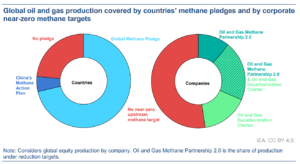
In the EU, strict laws require ongoing monitoring, reporting, and quick leak repairs. Frameworks like OGMP 2.0 already cover around 42% of global oil and gas production. This pushes companies toward certification based on measurements.
Globally, methane causes about 30% of temperature rise since the Industrial Revolution, reinforcing regulatory urgency. As compliance moves from estimates to verified data, certified methane tracking systems are crucial for market access and trade.
At the same time, many firms are setting stricter climate targets that include methane performance. Investors are also pushing for better emissions data across energy supply chains.
Some industry forecasts suggest that markets for methane performance data and certificates could grow by more than 60% annually in the next several years. Together, these trends are likely to support continued growth in the methane certificate market.
Infrastructure is also improving. Exchanges like CBL help provide price signals and liquidity. Partnerships with firms like S&P Global aim to improve market transparency and data quality.
What This Means for the Energy Transition
The 3.5 million certificate trade highlights a broader shift in energy markets. Emissions data is becoming part of how energy is bought and sold.
Natural gas remains a key fuel in the global energy mix. But buyers are increasingly focused on how it is produced. Lower-emission gas may gain a competitive advantage.
Methane certification offers a practical tool. It allows companies to:
- Track emissions,
- Improve performance,
- Meet regulatory requirements, and
- Support climate targets.
This aligns with wider efforts to reduce greenhouse gas emissions while maintaining energy supply. In the coming years, methane certification could become a standard part of natural gas trading. It may also link more closely with carbon markets and broader climate finance systems.
With this development, the direction is clear. Environmental performance is becoming a measurable and tradable part of energy markets. Deals like this signal that the shift is already underway.
- READ MORE: Shell’s Initiative to Cut Methane in Rice Farming in the Philippines and Create Carbon Credits
The post A Record 3.5M Methane Credits Trade at Xpansiv CBL Signals New Era for Gas Markets appeared first on Carbon Credits.