Green Living
11 Best Non-Toxic and Low-VOC Furniture Brands for a Healthier Home (2026)
As you furnish a new space, or just invest in a new piece or two, you may be looking for non-toxic furniture brands to ensure clean indoor air and a safe environment for yourself and/or your loved ones.
Building materials and furnishings are one of the major causes of indoor air pollution, according to the EPA. So non-toxic furniture is a key aspect of creating a healthy home.
What is Non-Toxic Furniture?
If you’re here, searching for non toxic furniture, you’re probably somewhat familiar with the fact that most furniture contains either proven or potentially harmful chemicals and you’re looking for a better way. But what exactly is a better way?
Well, there’s actually quite a bit to consider, so here’s a quick list.
Scroll to the bottom for a much more in-depth explanation on all of these elements!
- No Flame Retardants
- No Formaldehyde (Many, though not all, composite woods that use adhesives contain formaldehyde. Some terms to look out for are plywood, particle board, engineered wood, or MDF.)
- Free of Toxic Water Repellents or Stain Guards (These commonly contain Perfluorochemicals, otherwise known as PFCs)
- No PVC / Vinyl (Common in fake leather or “vegan leather” fabrics)
- Zero VOC finishes (Or low-VOC)
- Uses Natural & Organic Materials (such as Dunlop latex instead of polyurethane foam, organic cotton, hemp, and linen instead of synthetic fabrics, and responsibly-sourced solid wood)
- Non-Toxic Certifications (such as GREENGUARD, which tests against chemcial emission limits or OEKO-TEX® STANDARD 100 which tests for harmful substances in textiles)
Is All Eco-Friendly Furniture Non-Toxic?
A lot of eco-friendly furniture is also non-toxic, but that isn’t always the case.
Some furniture brands advertise their products as eco-friendly because they use engineered wood or particleboard made from repurposed sawmill or other wood waste. But, in many cases (though not all), the adhesives used in engineered wood can be toxic, off-gassing high amounts of formaldehyde.
Recycled materials are another complicated one: we can recycle materials that were originally toxic, and so these recycled materials may still emit harmful chemicals.
If you want a guide to eco-friendly furniture specifically, check out my guide to sustainable furniture.
Is Secondhand Furniture Non-Toxic?
While used furniture isn’t necessarily non-toxic (unless you find used furniture from a brand using natural and organic materials) products do off-gas over time, and so depending on how old the furniture is, you are likely going to be exposed to fewer toxic chemicals than if buying that same piece of furniture new.
I just always like to check that the furniture has come from a smoke-free home. (And you might want to ensure it’s pet-free too, if you have allergies/sensitivities). You may also want to clean the furniture with non-toxic cleaning products, especially if buying preloved furniture with upholstery.
Something I’ve experienced with upholstered furniture is that even if someone is selling from a smoke-free, pet-free home they might have sprayed the furniture with strong fabric fresheners. So if there is any upholstery that is removable, I like to take it off and wash that before using the preloved pieces in my home. If it is not removable, it’s nice to leave it outside for a week or two.
If you don’t have any area to do this, I might recommend putting it in a room with the door closed and a window open with your indoor vents in that room closed.
[Related: Tips for shopping secondhand furniture & home goods]
Similarly, not all non-toxic furniture is eco-friendly. For instance, a brand might use natural materials that are irresponsibly sourced, such as harvesting wood from ancient or old growth forests. And there might be plastic materials that were tested to be low in harmful chemical emissions, but using fossil fuel fabrics isn’t exactly sustainable.
The good news is, though, that there are many brands that are low-tox and environmentally responsible.
What to Watch Out For When Shopping for Non-Toxic Furniture
First and foremost, be aware of “non-toxic furniture” ads with no explanations. The term non-toxic isn’t regulated and there isn’t even a standardized definition across the furniture industry. So be cautious of brands that pop up in Google Searches for “non-toxic furniture” — companies may be advertising for those keywords but not actually have non-toxic furniture.
Always look for further details on why a company is claiming to be non-toxic: What certifications do they have? What materials do they use? What finishes do they use on the products?
The second most common culprit of greenwashing in non-toxic furniture is “blends”. A lot of companies will call the upholstery on their furniture “Performance Linen” or “linen blend”, but when you look at the actual fabric content, or ask follow up questions, it’s actually only 5-9% linen and primarily polyester.
Vegan leather is another common term used in furniture. While “vegan” might sound sustainable and healthy, when it comes to leather it usually means it’s made of polyurethane (PU) or polyvinyl chloride (PVC). Which is, yes, plastic. Beyond toxicity, these plastic leathers are much less likely to last. And nearly impossible to repair when they do get damaged.
I’d also look out for the misuse of certifications. For example, OEKO-TEX STANDARD 100 is a certification that only applies to the textiles in a furniture piece, like the cushions and upholstery fabrics. It cannot cover materials like wood or metal. So this doesn’t mean the whole furniture item has been tested against toxic chemicals — it only applies to the soft elements of the furniture.
Non-Toxic Furniture Companies To Know
These brands are leading the way when it comes to safe, organic, and non-toxic bedroom furniture, living room furniture, dining room furniture, and office furniture. There are even some brands who have certified non-toxic furniture, as an extra level of verification.
The price ranges of these brands vary, so you’ll find something that matches your needs — you’ll find everything from heirloom-quality premium furniture to affordable non-toxic furniture. Browse through this guide for some highlights and visit each brand’s website for further details.
This guide contains affiliate links and partners. As always, all brands meet strict criteria for sustainability and are brands we love, that we think you’ll love too!
1. Medley
Best for: full range of non-toxic furniture across every room
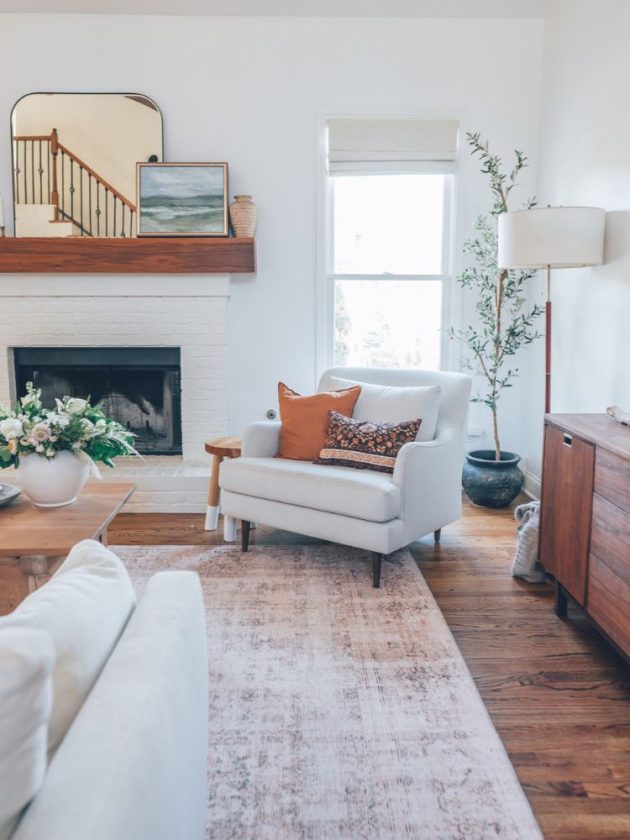
Made-to-order from quality materials in LA, Medley’s non-toxic furniture for the bedroom, living room, dining room, and office is sturdy and sustainably made.
Medley’s furniture frames are made with FSC-certified domestically-sourced alder hardwood and their tables are crafted from FSC-certified solid walnut and maple. Any plywood used is low-VOC CARB 2 compliant.
The brand offers a few natural fabric options including hemp and OEKO-TEX 100-certified wool. For cushions, you can choose between organic Dunlop latex or, for a less expensive option, they also have a CertiPUR-US®-certified poly foam. (Keep in mind poly foam is synthetic.)
Categories: Sofas & Accent Chairs, Bed Frames, Nightstands, Storage, Dining Tables & Chairs, Benches & Desks
Price Range: $595 (poufs) – $10,290 (sectionals)
Shipping: Contiguous U.S. (or contact Medley for a quote)

2. Avocado
Best for: most non-toxic certifications in one brand
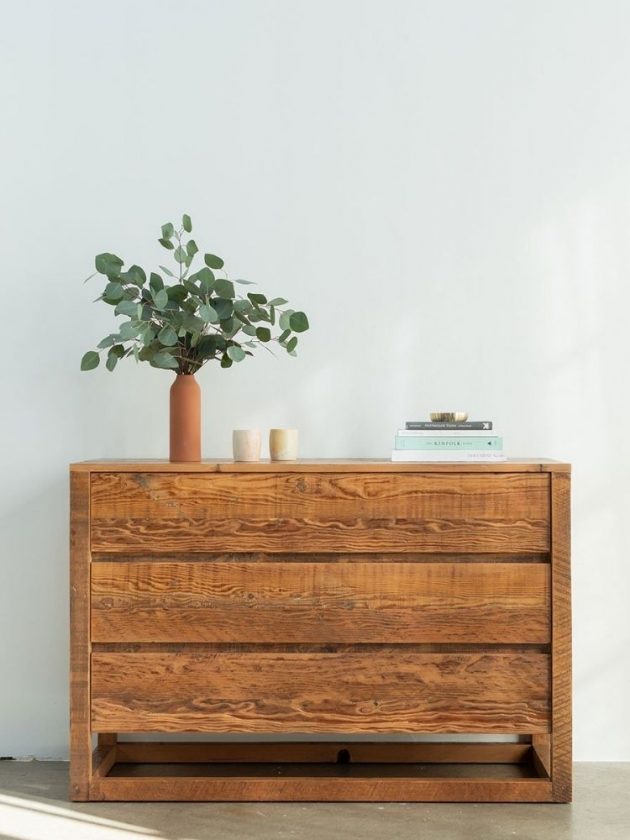
Another brand in the world of non-toxic furniture is Avocado. This B-Corp creates wooden furniture using either 100% solid FSC-certified maple hardwood, solid walnut, or 100% reclaimed solid Douglas fir. The furniture is completed using zero-VOC finishes and fumeless wood glue.
Avocado also offers several certified non-toxic furniture pieces that have been GREENGUARD Gold certified for low emissions and Formaldehyde Free certified by UL Environment. Their wooden furniture is made in Avocado’s own FSC-certified LA woodshop.
Avocado doesn’t have as many options as some of the other companies on this list, but what they do have is beautiful.
Categories: Bed Frames, Dressers, Side Tables & Nightstands, Benches
Price Range: $349 (side table) – $3,999 (full bed frame)
Shipping: Contiguous U.S.
3. Savvy Rest
Best for: organic bedroom and living room furniture
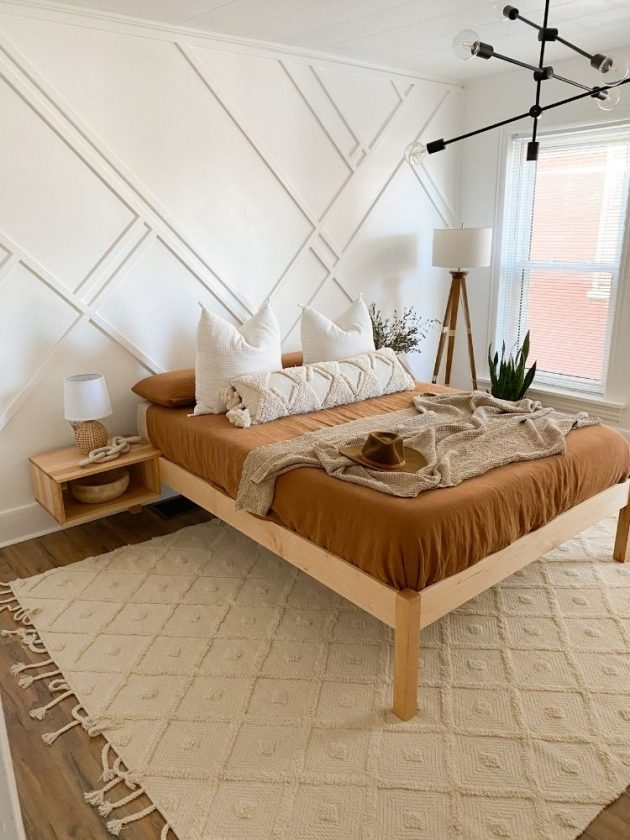
A leader in organic and natural furniture, Savvy Rest is a certified B-Corp with living room and bedroom furniture made from sustainably-sourced, safe-for-you materials.
Savvy Rest uses responsibly- regionally-sourced solid wood and zero-VOC stains (or leaves pieces unfinished). Their upholstered furniture is crafted from certified organic cotton and hemp fabrics, as well as natural Dunlop and Talalay latex.
The company isn’t able to accept furniture returns, which may be a deterrent for some. But if you want to support a sustainable employee-owned small business with your non-toxic furniture investment, this would be my pick.
Categories: Platform Beds, Sofas & Chairs, Tables & Benches
Shipping: Contiguous U.S. (Or contact for quote)
Price Range: $400 (bedside table) – $3,999 (sofa) | Use code CONSCIOUSSTYLE20 for 20% off!
4. Cisco Home @ Urban Natural
Best for: heirloom-quality furniture with organic upgrade
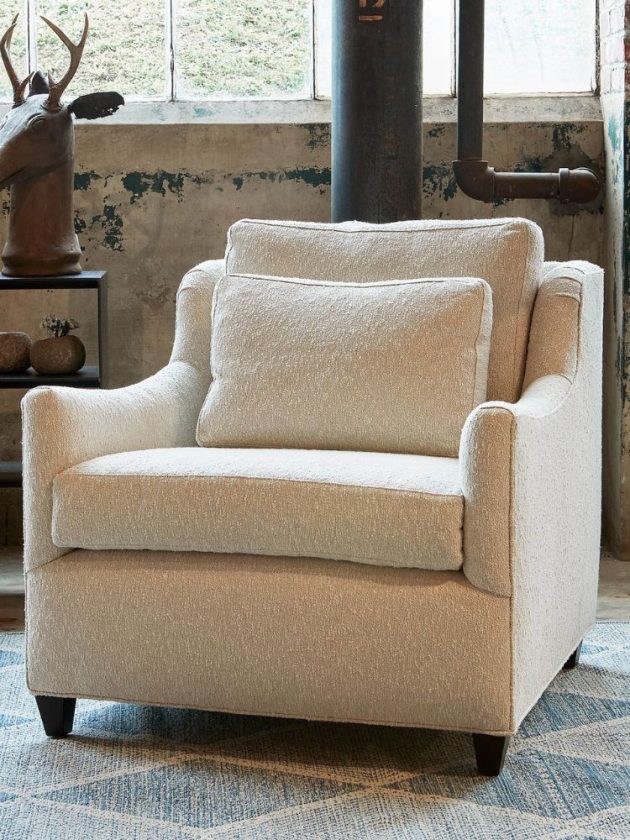
Cisco Home is a furniture company using responsibly-sourced materials to craft heirloom-quality furniture in Los Angeles.
While their default furniture options don’t necessarily include all-natural materials, you can click “Make it Organic” and Cisco Home will build your furniture entirely from their better materials: FSC-Certified woods, organic latex, jute, hemp, organic cotton, and wool.
Categories: Sofas & Sectionals, Chairs & Seating, Benches & Ottomans, Beds & Benches, Coffee Tables
Price Range: $975 (ottoman) – $9,000+ (large sectional)
Shipping: Continental U.S.
5. Thuma
Best for: versatile minimalist furniture
Categories: Beds, Dressers & Shelving, Bedside Tables
Price Range: $495 (nightstand) – $6,675 (corner sectional)
Shipping: Ships within U.S. and Canada (international customers can use freight forwarder)
Simple, functional, and sustainably made from repurposed rubberwood, Thuma’s non-toxic furniture checks a lot of boxes. Their dresser is also modular so you can expand or shrink it to fit your needs.
Thuma’s pieces are made with solid wood and many are GREENGUARD Gold Certified, which means they’ve been tested for low VOC emissions. (Just be sure to check the description of each product, because not all items have that certification.)

6. Natural Home by the Futon Shop
Best for: futons and natural wood furniture
As the name suggests, this furniture brand sells futons and futon frames, but they also offer other natural furniture, like side and coffee tables as well as couches and sectionals. They even have a natural “vegan leather” couch made from cork! (I like the blue cork one, but the natural cork is a pretty specific aesthetic that’s not for everyone.)
The Futon Shop has Amish furniture handmade from solid wood (maple, walnut, oak, or cherry) that was harvested from sustainably managed forests and hand-rubbed with a no-VOC natural linseed oil finish. Each piece is handcrafted by Amish craftspeople in Pennsylvania.
Categories: Bed & Futon Frames, Dressers, Sofas & Sectionals, Side Tables & Coffee Tables
Price Range: $699 (ottomans) – $5,449 (custom sofa)
Shipping: Contiguous U.S. (custom quotes elsewhere) | also offers free in-store pickup

7. Healthier Homes
Best for: natural material non-toxic seating, storage, and accents
Healthier Homes offers a curated selection of non-toxic furniture crafted with quality and sustainability in mind. Their selections of seating, tables, and accent furniture is made from solid wood, natural fabrics and metal, all finished with eco-minded non-toxic finishes — or left unfinished. (They sell non-toxic paints and furniture lacquer too.)
My favorite picks from Healthier Homes are their rattan wooden furniture (like consoles and nightstands) as well as their midcentury loom and teak chairs.
Categories: Chairs & Stools, Tables & Benches, Desks
Price Range: $185 (bench) – $4,799 (dining table)
Shipping: Contiguous U.S.
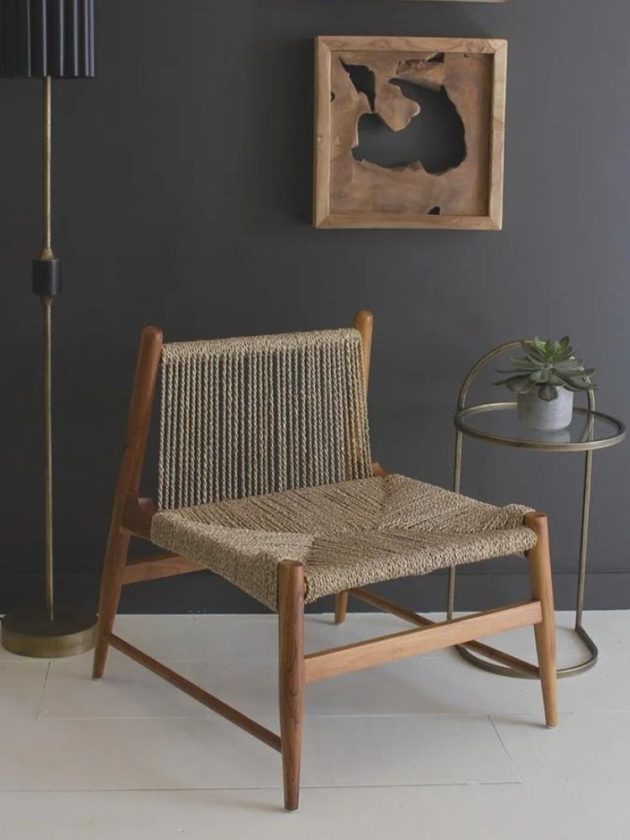
8. Copeland @ Urban Natural
Best for: designer furniture with non-toxic certifications
Founded with sustainability at its core, Copeland crafts hardwood furniture — using woods mostly sourced within 500 miles — made-to-order in its’ Bradford, Vermont factory. This factory has a solar array and is heated completely by wood waste. Most pieces are finished with a GREENGUARD certified finish.
But that doesn’t mean sacrificing on the kind of design you might get from mainstream high-end furniture companies like Arhaus.
Categories: Beds, Desks, Side Tables & Coffee Tables, Dining Tables & Chairs, Dressers & Buffets
Price Range: $256 (shelf nightstand) – $6,865 (storage bed)
Shipping: Ships within contiguous U.S. (contact for overseas logistics)
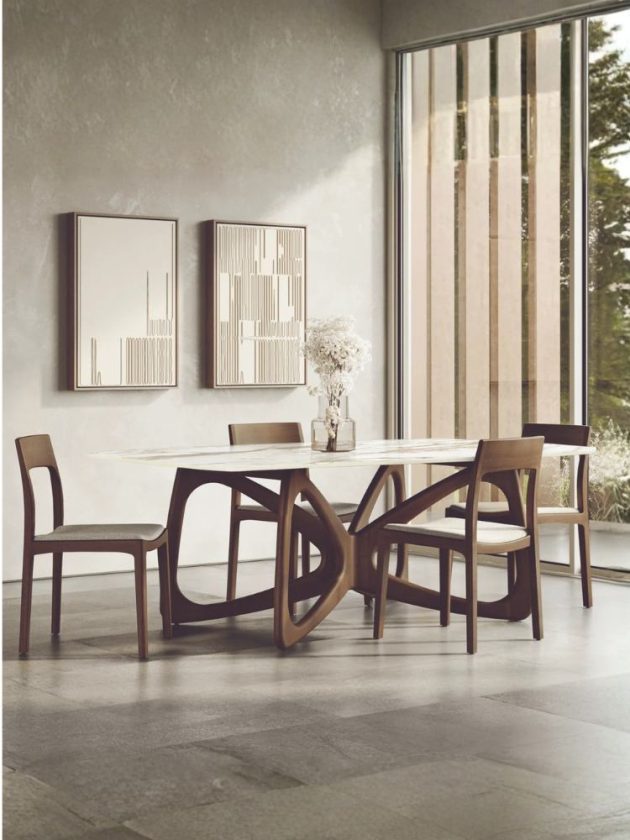
9. West Elm GREENGUARD Certified (some items)
Best for: wide non-toxic selection at a mainstream retailer
Furniture retailer West Elm has a diverse selection of non-toxic furniture that is GREENGUARD Certified. This certification indicates that the furniture has been tested to meet certain chemical emissions and volatile organic compounds (VOCs).
However these pieces are not GREENGUARD Gold certified, which has higher standards and their upholstered furniture uses the kind of vague materials I talked about before like “performance linen” that’s mostly polyester. I wanted to include this brand, though, because they are a traditional retailer with physical stores and wide selections.
Categories: Beds & Cribs, Dressers & Storage, Consoles & Hutches, Desks & Chairs
Price Range: $99 (kids chair) – $6,995 (sectional)
Shipping: U.S. and select other countries
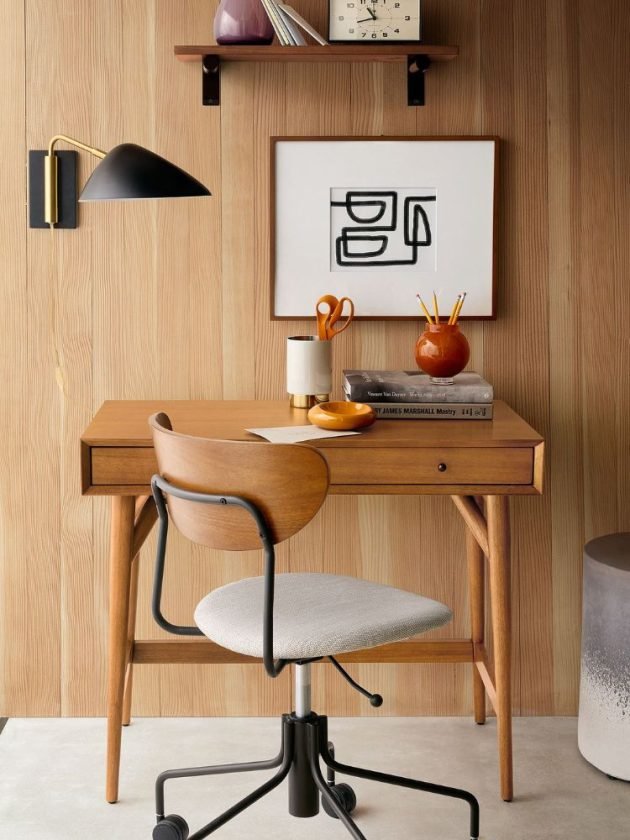
10. Sabai
Best for: repairable non-toxic sofas and seating
This B-Corp certified furniture company has versatile seating as well as side tables for a non-toxic living room. I love how their expansion kits make it simple to turn a sofa into a sectional and their Repair program helps you extend its life.
Sabai uses FSC-certified wood for the furniture frames, domestically sourced maple for the legs, CertiPUR-US certified foam for the cushions, and recycled fiber fill for the pillows. For the upholstery fabric, you can select between OEKO-TEX® STANDARD 100 certified recycled velvet, GREENGUARD Gold upcycled poly, OEKO-TEX® Certified natural hemp/cotton blend (that would be my pick!), and cactus leather (made with cactus plant, but is combined with plastic).
Categories: Sofas, Sectionals, Sleepers, Chairs, Side Tables
Price Range: $495 (side table) – $6,295 (sectional)
Shipping: Contiguous U.S.; ships to HI & AK for fee
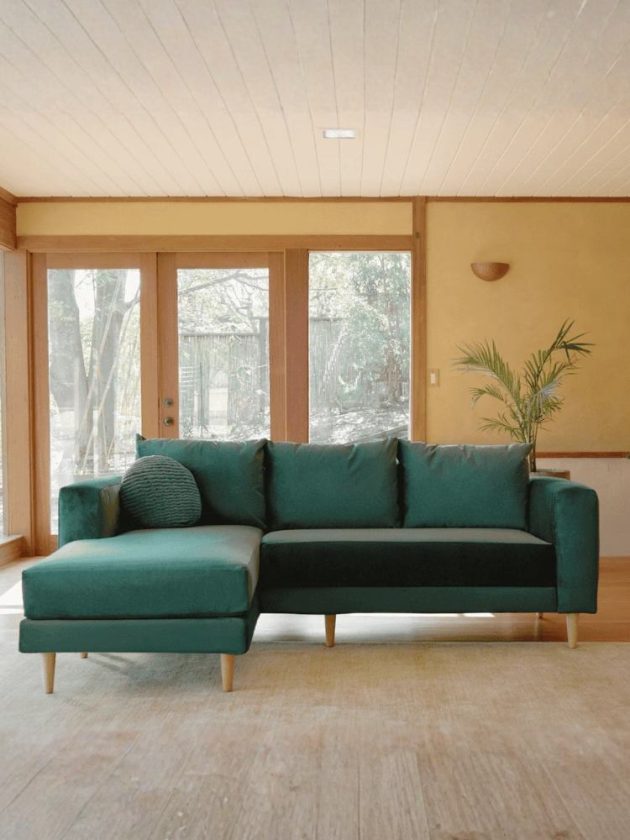
11. What We Make
Best for: reclaimed wood furniture
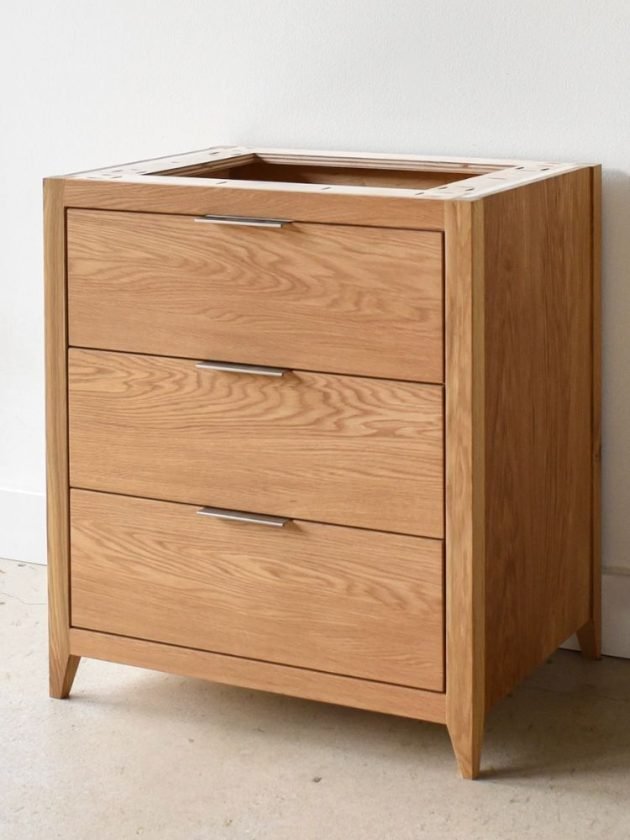
What We Make is an impressive sustainable non-toxic furniture brand based in the Chicago area. They use reclaimed barn wood to make each furniture item made to order.
The non-toxic furniture brand shares that they finish their pieces with an oil-based VOC-free finish that doesn’t contain hazardous chemicals.
Categories: Bathroom Vanities, Desks & Office Furniture, Bookcases & Storage, Coffee & End Tables, Chairs, Stools & Benches, Dining & Pub Tables
Price Range: $425 (bar stools) – $6,425 (bathroom vanities)
Shipping: Contiguous U.S.
Honorable Mentions
My Green Mattress: The mattress brand has a simple, and pretty affordable non-toxic bed frame made from untreated domestically-grown Poplar wood. It’s free from wood stains and adhesives. They didn’t make the main guide since they sell just one furniture product, but it’s here in case you’re looking for a bed frame.
Green Cradle: This brand has the basics covered for a non-toxic nursery — cribs, dressers, nightstands, armoires and bookcases made from 100% solid maple, red oak, cherry wood, and walnut hardwood with a zero VOC finish (linseed oil). Similar to above, the limitation of selection at Green Cradle means it’s not on the main guide, but its still a strong non-toxic option if you need nursery furniture.
IKEA (some pieces): Is IKEA non-toxic? Well, the answer is a bit mixed here. IKEA has taken many efforts to produce furniture with lower use of harmful chemicals and transitioned out all intentionally-added PFAS earlier than many other brands. However, they do use a lot of particleboard. While they say they take efforts to minimize the formaldehyde in their products, there are no specifics on this. So, I’d approach the brand with a bit of caution and prioritize their solid wood pieces if non-toxic furniture is important to you.
Dive Deeper: Here’s how I vetted for non-toxic furniture:
These are some considerations for what to look for when shopping for non-toxic furniture for your space.
No Flame Retardants
There are hundreds of different types of flame retardants. Evidence shows that flame retardants are associated with harmful health impacts, such as reproductive toxicity, cancer, neurological function, impacts to the immune system, and adverse effects on fetal and child development.
Once commonplace to meet California’s fire safety standard, fire retardants are now banned by the state at certain concentrations and in certain products — and a growing number of states are also taking action against them to some extent.
So furniture without flame retardants should be considered a very baseline measure.
No Formaldehyde
As one of the 25 most abundantly produced chemicals in the world, exposure to formaldehyde is a common concern in furniture as well as a number of other consumer products.
The health impacts of formaldehyde exposure include:
- “Corrosive injury to the gastrointestinal tract”,
- Irritation to the eyes, skin, and respiratory tract
- Malaise, headache, irritability, memory and dexterity issues, sleeping disturbances
- Can cause skin disorders and asthma-like symptoms in those who’ve been previously sensitized
- And formaldehyde has been determined to be a probable human carcinogen
And as the EPA states, the primary way you’d be exposed to formaldehyde is by “breathing air containing off-gassed formaldehyde”, often the formaldehyde that has “off-gassed from products, including composite wood products”.
No Perfluorochemicals (PFCs)
If you’re familiar with the DuPont scandal, you’re familiar with PFCs. While typically associated with non-stick cookware, PFCs are also used to repel oil and water on a number of other types of products, including textiles like upholstered furniture.
Why are PFCs a problem? Well they’re persistent not only on products, but in the environment and in people and animals. PFCs can be released directly from manufacturing facilities into the air and water or they can be released from any products you have at home containing PFCs and into your indoor air.
Exposure to PFCs has been associated with several adverse health effects including cancer, liver toxicity, hormone disruption, developmental toxicity, and harm to the immune system.
No PVC (Vinyl)
Many fake leathers (which sometimes come with the euphemism “vegan leather”) are made from PVC. PVC is known as the most toxic and environmentally damaging plastic.
The chemical used to make PVC, vinyl chloride, is a known carcinogen, linked to increased risks of several types of cancers, according to the National Cancer Institute.
Low VOC or Zero VOC Finishes
VOCs, or Volatile Organic Compounds, include a wide group of chemicals. Examples include: benzene, ethylene glycol, methylene chloride, tetrachloroethylene, toluene, and xylene.
While each chemical will have different levels of toxicity and may cause different health impacts, VOCs have been connected to many health issues, including damage to the liver, kidney, and central nervous system; headaches, fatigue, dizziness and nausea; and eye, nose, and throat irritation. Some VOCs are even suspected or known carcinogens.
In an ideal world, you would be able to find furniture that is completely free of VOCs.
A common nearly zero VOC finish is linseed oil, or flaxseed oil. This natural finish is food safe and free of harmful chemical solvents, heavy metals, or other toxic ingredients.
Low-VOC furniture can also be a good option, especially if you’re able to off-gas it outdoors or in your garage for a few months before bringing it into your home.
Organic & Natural Materials
This is an obvious one! Preferable materials include organic cotton, hemp, linen, sustainably and locally sourced wool, responsibly-harvested wood (ideally locally sourced and native to the region), and Dunlop latex.
Some certifications to know are Global Organic Textile Standard (GOTS), Global Organic Latex Standard (GOLS), and OEKO-TEX Standard 100, which tests for harmful substances in textiles.
Other Non-Toxic Certifications
One common certification is the GREENGUARD certification, which are products that have been “scientifically proven to meet some of the world’s most rigorous third-party chemical emissions standards”.
The GREENGUARD Gold certification is the next level. It includes criteria for additional chemicals and requires lower total VOC emissions. It limits the emissions of over 360 VOCs and chemical emissions.
Your Non-Toxic Lifestyle Journey
There is a lot to consider when shopping for non-toxic furniture! Hopefully, this breakdown of elements and red flags to look out for was useful and this list of non-toxic furniture brands gave you a good starting point in your research.
Keep in mind that the journey to green living or non-toxic living is just that — a journey. So, don’t stress if you can’t convert 100% of your home to non-toxic decor and furnishings right away.
Less toxic furniture is still better than conventional super toxic furniture. And implementing air filters or just keeping your windows open each day for an hour can also do wonders. Don’t feel pressured into perfection. Take it slow and do what you can, based on your time and budgetary constraints.
If you’re here, you’re already doing great!
Note: This curation is based upon publicly available information and while we do our due diligence, Conscious Life & Style cannot guarantee the claims of the companies featured. See our Website Disclaimer for more.
More Guides Like This
Non-Toxic Home Tips: How to Make Your Indoor Air Healthier Now
The Best Non-Toxic Cookware Materials and Brands
5 Actually Sustainable & Non-Toxic Sofas
The post 11 Best Non-Toxic and Low-VOC Furniture Brands for a Healthier Home (2026) appeared first on Conscious Life & Style.
11 Best Non-Toxic and Low-VOC Furniture Brands for a Healthier Home (2026)