

For those who have never heard of GAME: the acronym stands for Global Approach by Modular Experiments, an internationally oriented research and training program in marine ecology that is in existence for over two decades now. Every year, young researchers from around the world – from Finland to Malaysia, from Japan to Chile – work together on a common research question. Identical experiments are conducted at eight different locations so that the results, which are obtained within six months, can be compared across latitudes, climatic conditions, and biogeographical zones.
In a time that confronts us with global environmental crises, such as climate change and the massive loss of biodiversity, we need precisely such large-scale, coordinated research approaches. Because only by understanding how the reaction of ecological processes to anthropogenic pressures is shaped by environmental conditions, we can make well-founded statements about their stability, vulnerability, or adaptability – and ultimately develop better conservation measures.
And who is GAME 2025? We are 16 master’s students from various countries—Japan, Malaysia, the Philippines, Cape Verde, Wales, Finland, Chile, and Germany—who, after a one-month long preparation course at GEOMAR in Kiel travelled in teams of two persons to eight countries to collect data. Everything is coordinated by Mark Lenz. Since 2004, the Kiel native has been the scientific coordinator of the international research and training program GAME at GEOMAR.
And who are we?
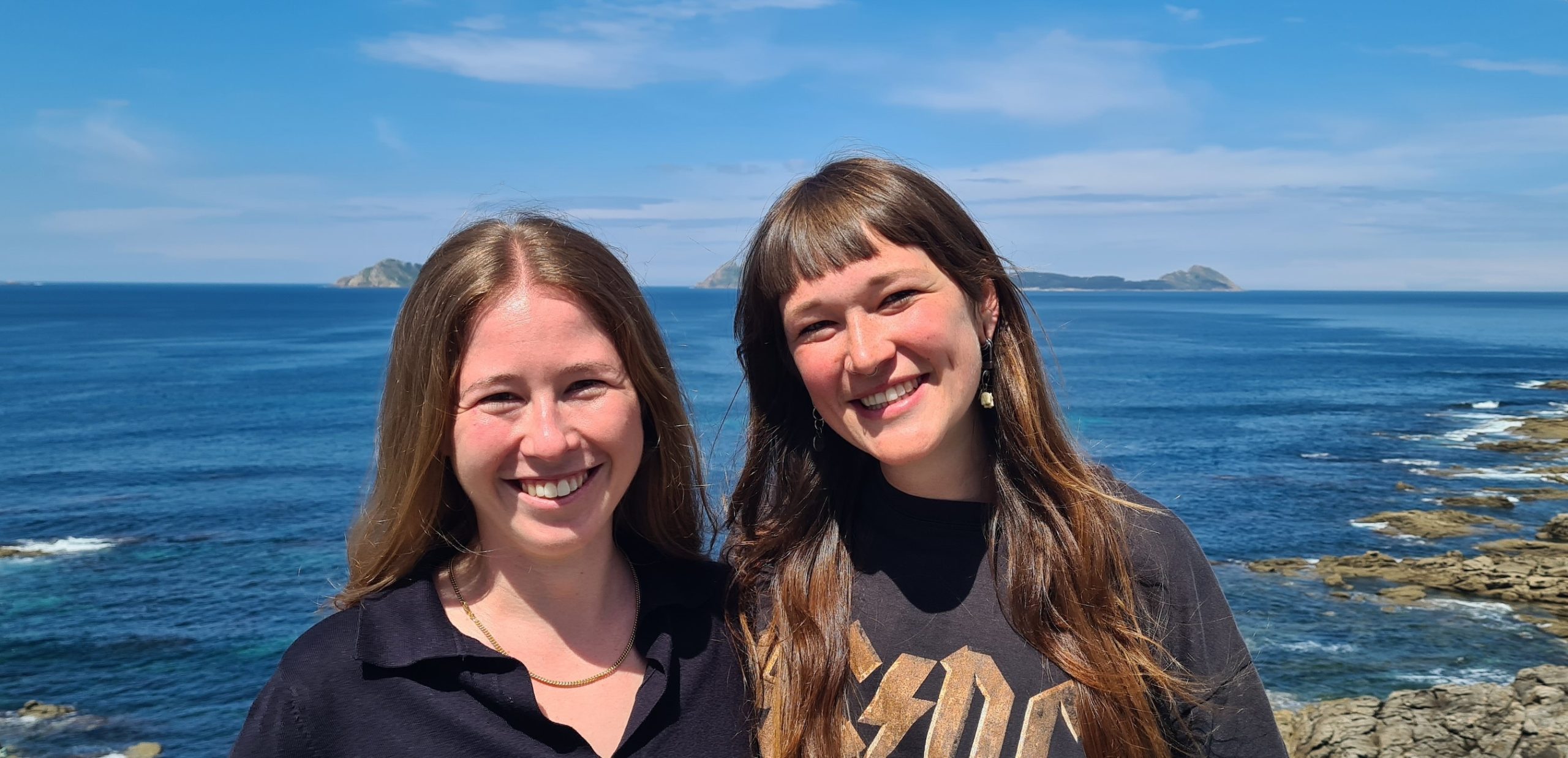
Hola from Spain!
Anna [27] from Osnabrück and Verena [27] from Potsdam are Team Spain 2025.
Anna
I began my biological career in Osnabrück with a Bachelor’s degree in Biosciences. I continued within the Master’s program, “From Molecule to Organism,” also in Osnabrück. During my studies, I had the opportunity to explore many different fields and build a broad knowledge base. Two marine biology excursions, in particular, captured my enthusiasm: one to the Biologische Anstalt Helgoland, and another to the Station Biologique de Roscoff on France’s north-western coast. Working in marine biology was so rewarding that I wanted to write my master’s thesis in this field. Since there is unfortunately no sea in Osnabrück, I looked for alternatives and discovered GAME. What fascinates me about the program is its global character and excellent training, which prepares you for a career in science—on top of that, the research topic of 2025 itself is truly captivating.
Verena
Originally, I come from the southwest, from the beautiful and most sunny place in Germany – Freiburg – but started studying biology in Tübingen. For my Bachelor thesis, I already worked with aquatic organisms and investigated the behaviour and personalities of weakly-electric fish (Apteronotus leporhynchus). After the time in the south of Germany, I wanted a change. Change in place and change in study and this brought me to Potsdam and to Geoecology. Through my studies, I already had a lot to do with global concepts and that was one of the reasons why I wanted to be part in an international program like GAME.
And now? We are in Spain. More precisely….
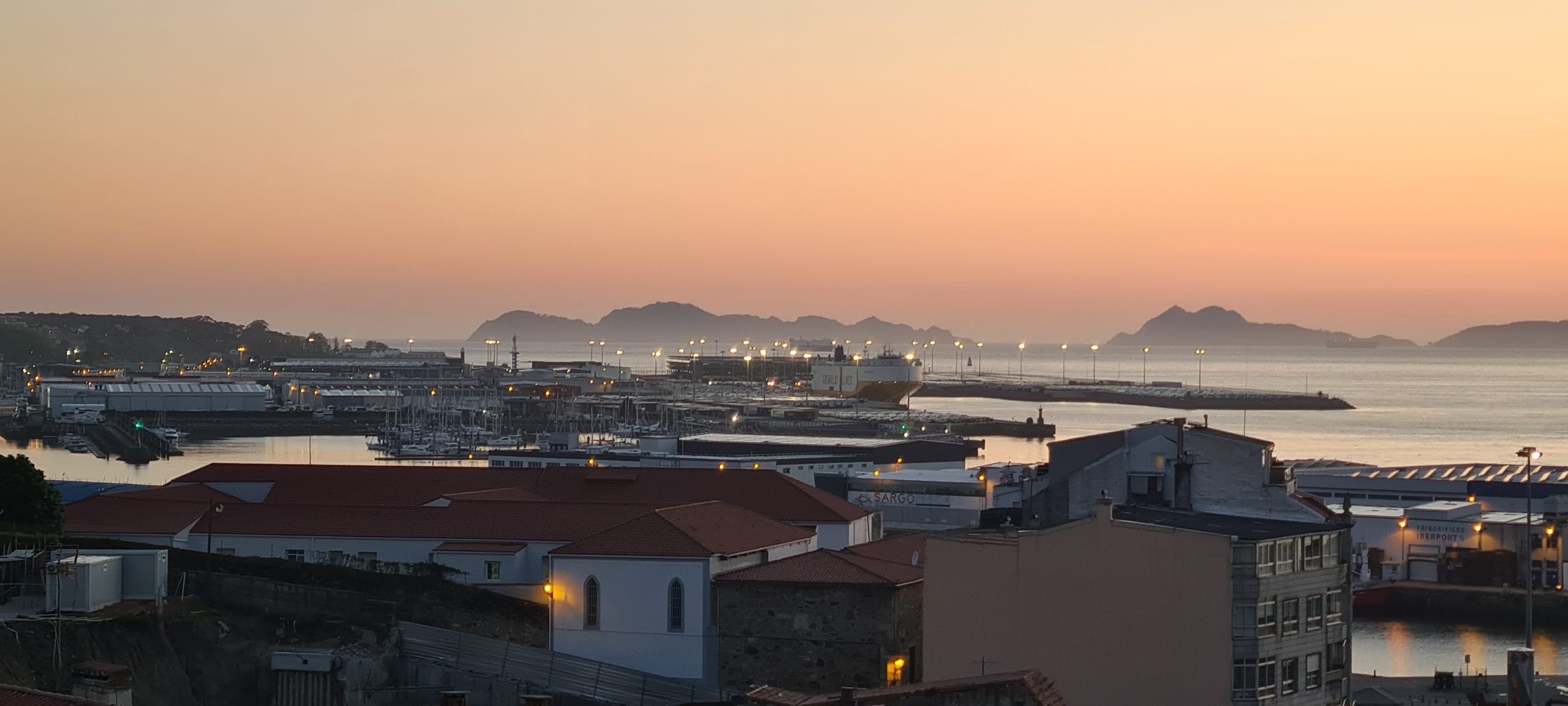
…in Vigo. For many, it may be just a tiny dot on the map in the far northwest of Spain—if they even know it at all. Nestled between dense pine forests, the rough Atlantic Ocean, an impressive mountain backdrop, and a view on the Cíes Islands (part of the Islas Atlántica de Galicia National Park), Vigo will be our new home and workplace for the next six months.
The name might suggests that Vigo is a small town. The name comes from the Latin vicus spacorum, it means “small village.” However, it is the largest city in Galicia, located in northwest Spain on the Ría de Vigo, a bay that extends 15 km inland to Arcade (Santiago).
The proximity to the Atlantic Ocean and the surrounding mountains not only offers a breathtaking panorama, which can be admired from many viewpoints (Mirador) in and around Vigo, but also means that this region is blessed with very high rainfall. Vigo records an annual rainfall of 1787 mm, compared to only 750 mm in Kiel.
Due to the city’s hilly location, numerous escalators and elevators make everyday life and our initial exploration of the city easier.
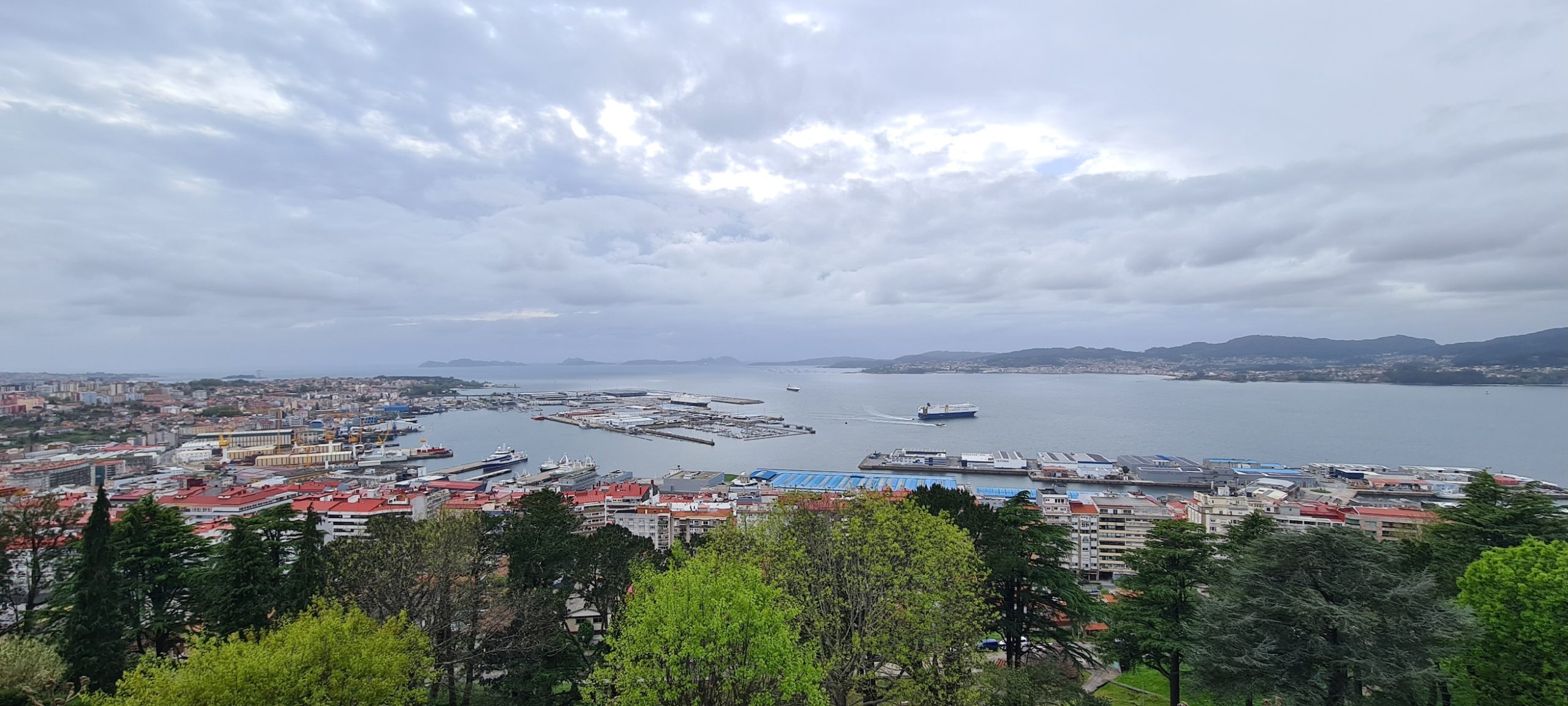
One of our first destinations was the Monte O Castro fortress, which towers 130 meters above Vigo and offered us a first magnificent view of the city, the other shore, and the offshore islands.
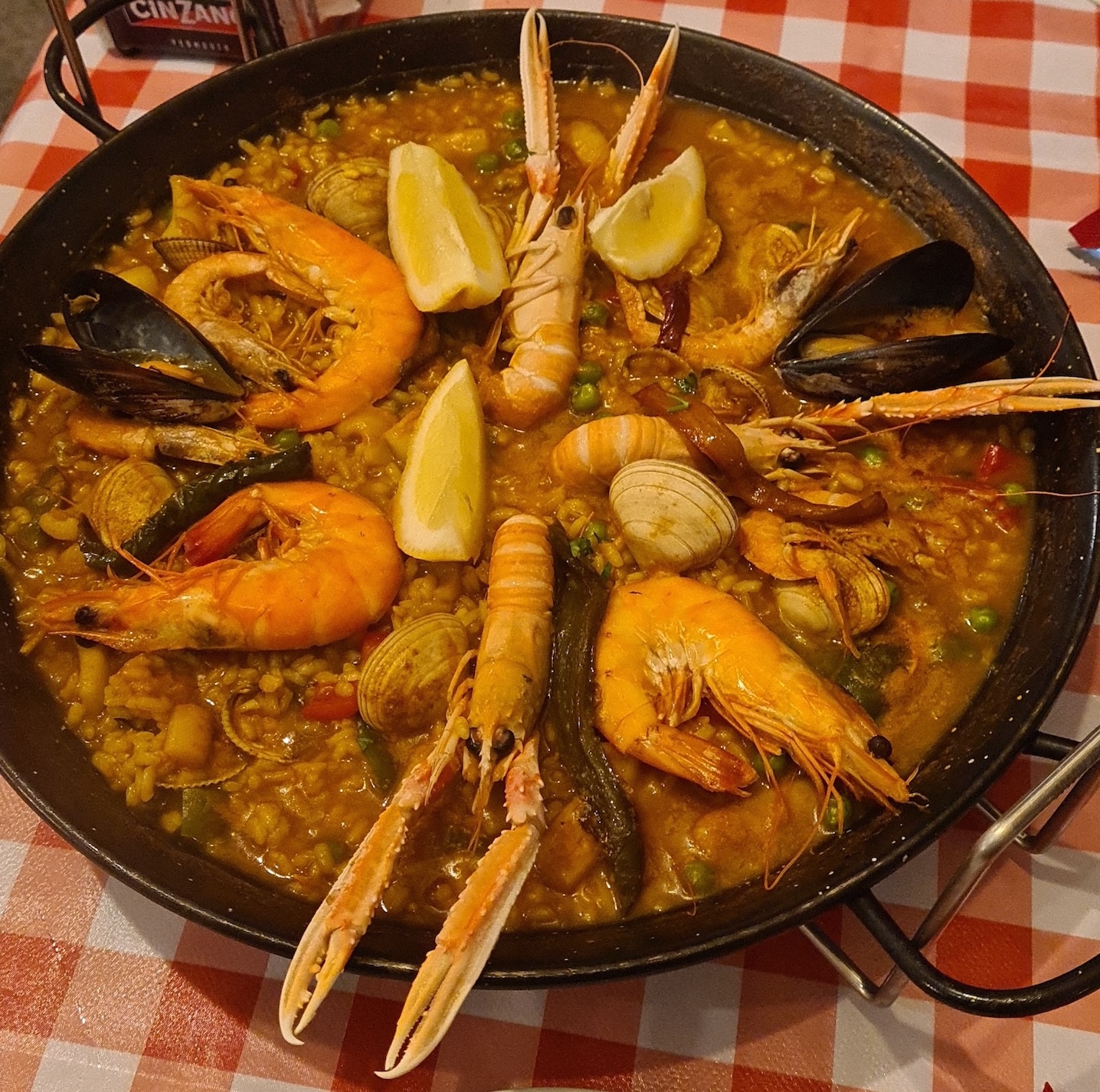
On the way back to the harbour, we passed through the old town, among other places. Numerous restaurants, taverns, and tapas bars invite you to sample the many delicacies of the region. Vigo is particularly known for its seafood, especially oysters, which are cultivated in the numerous oyster farms in the bay. The wide Rua do Príncipe, which is perfect for a shopping trip, leads to the waterfront promenade. But we’re not the only ones who’ll be heading for the main shopping street. Another thing we quickly noticed: Every day, many pilgrims walk through the city on their way to Santiago de Compostela. The end point of the Way of St. James is only about 80 km from our port city. A destination that’s definitely on our bucket list.
Down at the port, instead of beaches and sand, there are numerous ships to admire. From cruise ships to industrial vessels to yachts, there is something for every ship enthusiast. Vigo’s harbours have not only a Mediterranean flair but also a strong industrial port city character.
In a few weeks, one of these ports, in the Bouzas district, will host our field experiment.
But first, we headed west, about 20 minutes from the center, along the coast, past beautiful beaches and scenery, to the Centro Oceanográfico de Vigo.
There, we were warmly welcomed by our two team supervisors, Eva Cacabelos and Paplo Otero. First on the agenda, of course, was a tour of the institute – beautifully situated, right on the rugged Atlantic coast. Up on the roof terrace, with coffee in hand and a sea breeze around us, we turned to the real reason for our stay: our master’s thesis and this year’s GAME project, which is themed “ALAN.” You’ll find out exactly what’s behind it and what initial difficulties we encountered in a moment.
But first, a moment to take it all in and enjoying the view of the Cíes Islands.
Before the hustle and bustle of summer begins, we should definitely take the ferry across and ideally camp there for a night. Not only do the paradisiacal beaches and crystal-clear water attract hundreds of visitors every year, the nature reserve also serves as a refuge for countless bird species.
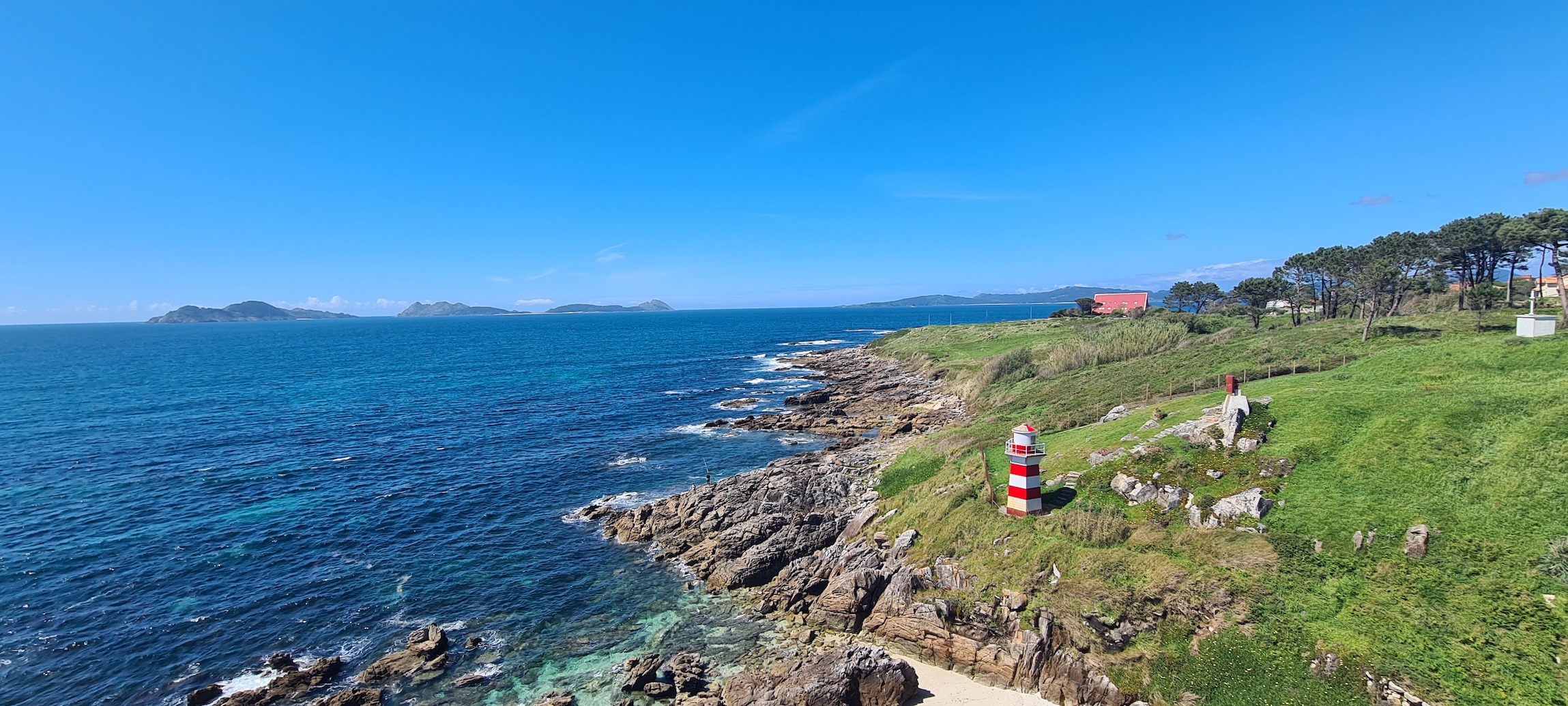
The Centro Oceanográfico de Vigo has been conducting marine research since 1917 and is part of the IEO (Instituto Español de Oceanografía). This, in turn, was founded in 1914 and is now part of the Spanish Ministry of Science, Innovation and Universities. The IEO consists of nine centers: Madrid (headquarters), Vigo, A Coruña, Cádiz, Málaga, Gijón, Murcia, Palma de Mallorca, and Santa Cruz de Tenerife. The research conducted at the Centro Oceanográfico de Vigo supports government advice and focuses on three core areas: aquaculture, marine and environmental protection, and fisheries.
Here, we will also investigate a current but little-researched environmental topic: How does artificial light at night (ALAN) affect the growth of epiphytes on macroalgae? Our experiment will take place directly at the coast, where urban light and natural darkness collide—an exciting setting for a question whose relevance grows with every illuminated city.
But why light – and why at night? Artificial light has become an integral part of our everyday lives. This is especially true along the coasts – where cities are growing, streetlights illuminate the night sky, and industrial plants operate around the clock. A look at satellite images of the Earth at night clearly shows it: Our coasts are glowing. And with each year, there are more lights – and they are getting brighter.
The impact of this constant lighting is well documented scientifically. ALAN – Artificial Light at Night – disrupts our natural day-night rhythms and influences the behaviour of numerous animal species. A classic example: newly hatched sea turtles. Instead of being guided by the moonlight towards the ocean, they often follow streetlights – and thus fatally end up on roads instead of in the water. Other species, however, seem to benefit from nighttime lighting: Certain sharks hunt more successfully under artificial light, because their prey is easier to spot.
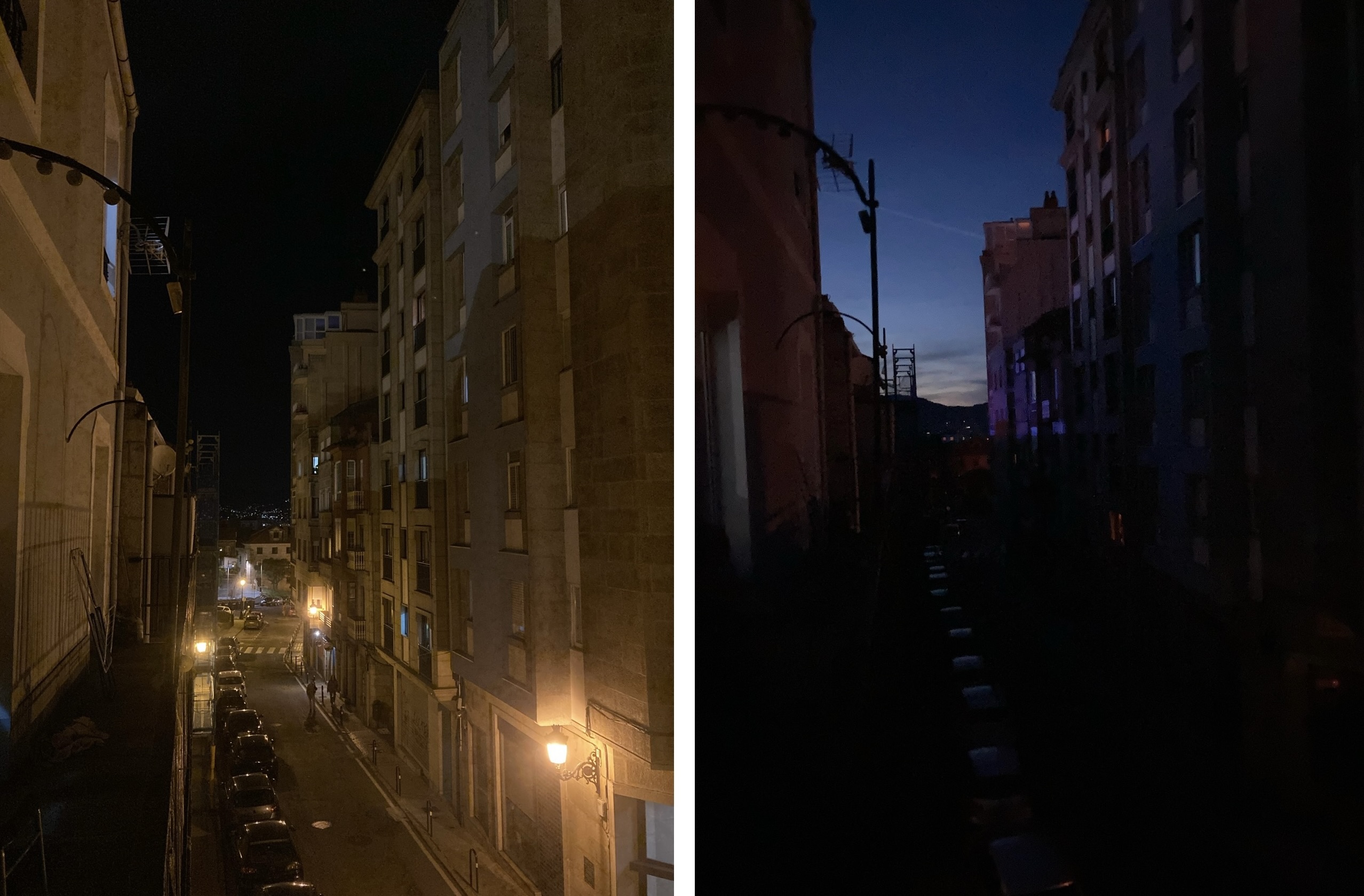
And us humans? We, too, feel the effects. Not just through studies, but through personal experience. During our first few weeks in Vigo, there was a widespread power outage – across Spain, Portugal, and parts of France. It was 12:30 p.m. – and without a generator, suddenly nothing worked. Metro stations came to a standstill, traffic lights failed, and supermarkets could no longer refrigerate frozen goods. And at night? Suddenly, it was – really – dark. An event that made us reflect and reminded us once again how important light is—and how much we take it for granted. As beautiful as the starry sky above Vigo was that evening, the total darkness felt almost surreal. For us, it was an unusual experience—but for many organisms, this natural darkness is vital and is becoming increasingly rare. What seemed like an exception to us is a disappearing norm for a lot of animals and plants.
Species that are not so charismatic are quickly forgotten in this context. For example, the inconspicuous epiphytes – small growing photoautotropic organisms like unicellular microalgae or small filamentous macroalgae that colonize larger macroalgae and other solid surfaces. They make significant contributions to the services of marine benthic ecosystems by binding CO₂, stabilizing communities and providing food. At the same time, they also impair the performance of their hosts by reducing their access to light, CO2 and nutrients. Hence, a change in their abundances can have far-reaching consequences for benthic ecosystems. Yet, little is known about how they respond to artificial light at night.
There was already a GAME project in Vigo during which field experiments were conducted, but with a different scientific focus for which artificial light at night was not relevant. They were situated at the same location for which we had also received approval. Thus, we were relatively quickly confronted with the first hurdles in scientific field research – which many people don’t even realize!
The problem is that Marina Davila is located directly next to an industrial port, or rather, a large car transfer point, which is illuminated all night long with gigantic lights. It’s probably the brightest place in all of Galicia. Bad for our experimental control group, which was supposed to be in complete darkness at night. So, we spent the first week wandering around various harbor areas in the area at night, measuring the background illumination in order to find a better place for our experiments.
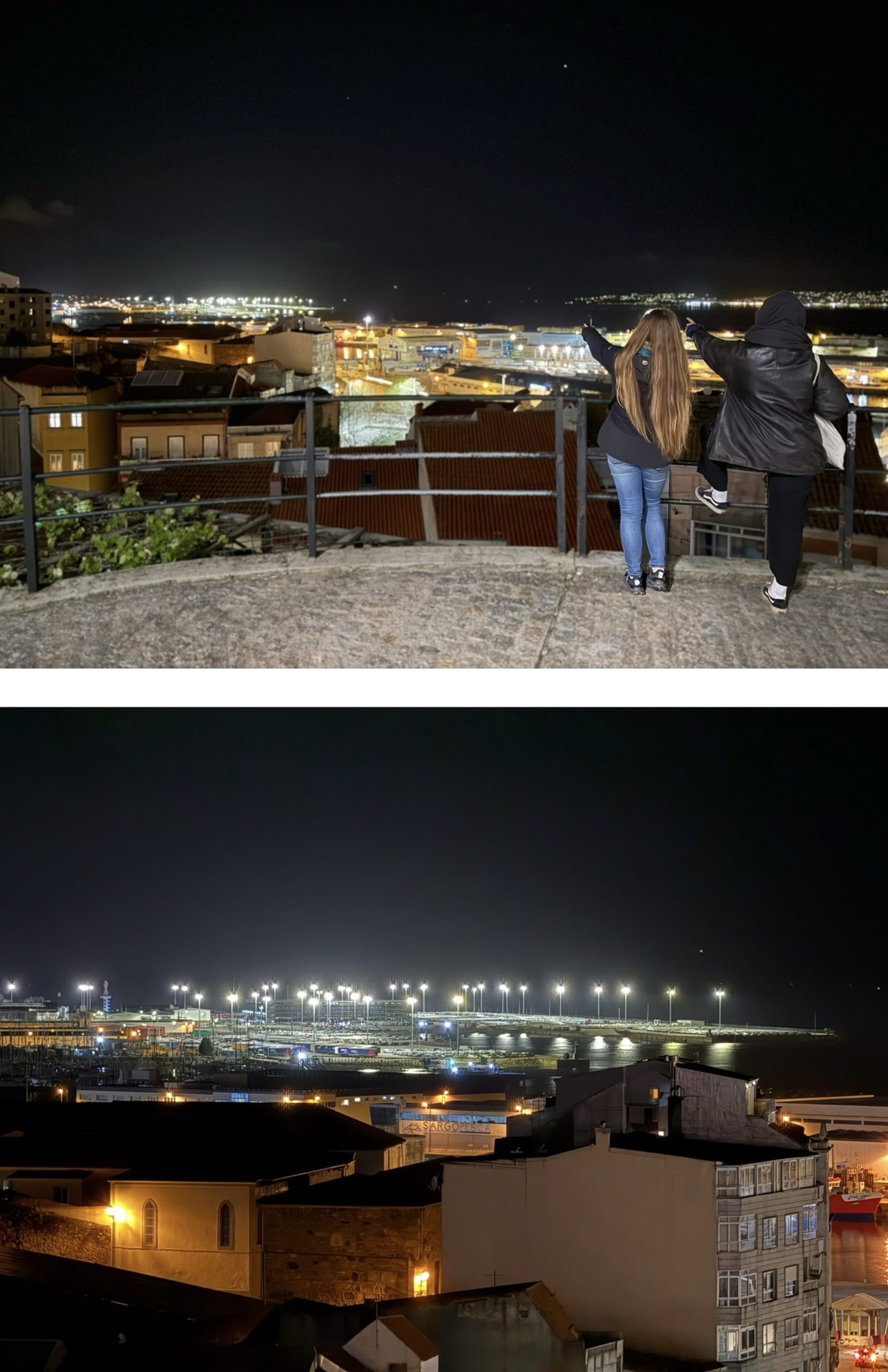
Fig. 10: Where was our study site supposed to be? We can show you! Right there (upper picture)! The brightest spot in the port. At a closer look all the cars that will be transported around the world are visible as well (lower picture). Photo: Anna 2025.
Thanks to the friendly harbourmaster at Marina Davila, we found a darker spot with even less wave exposure. However, we’re dealing with a tidal range of 4 meters, which could be tricky and is something we should keep in mind while planning our experimental setup.
Great! That was the first trick – and the second will follow quick.
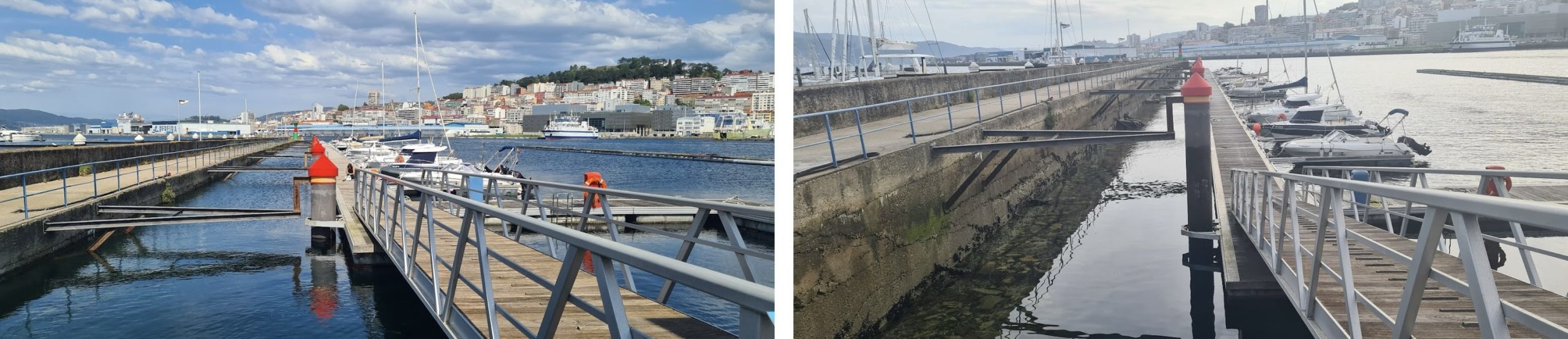
Next, we need to find a suitable algae species and conduct initial trials – so-called pilot studies. This will allow us to determine the best options for our location and get a feel for the handling of the organisms, materials, and analytical methods.
Eva supports us wherever she can. As part of her own research, which focuses on plastic pollution in the ocean, we are able to accompany her one morning to the rocky bay near the institute. We were able to find different species of algae and marine organisms at low tide and also collect potential macroalgae for our project. However, the two more common Laminaria species here – Laminaria hyperborea or Laminaria ochroleuca – are difficult to distinguish from each other at a young age.
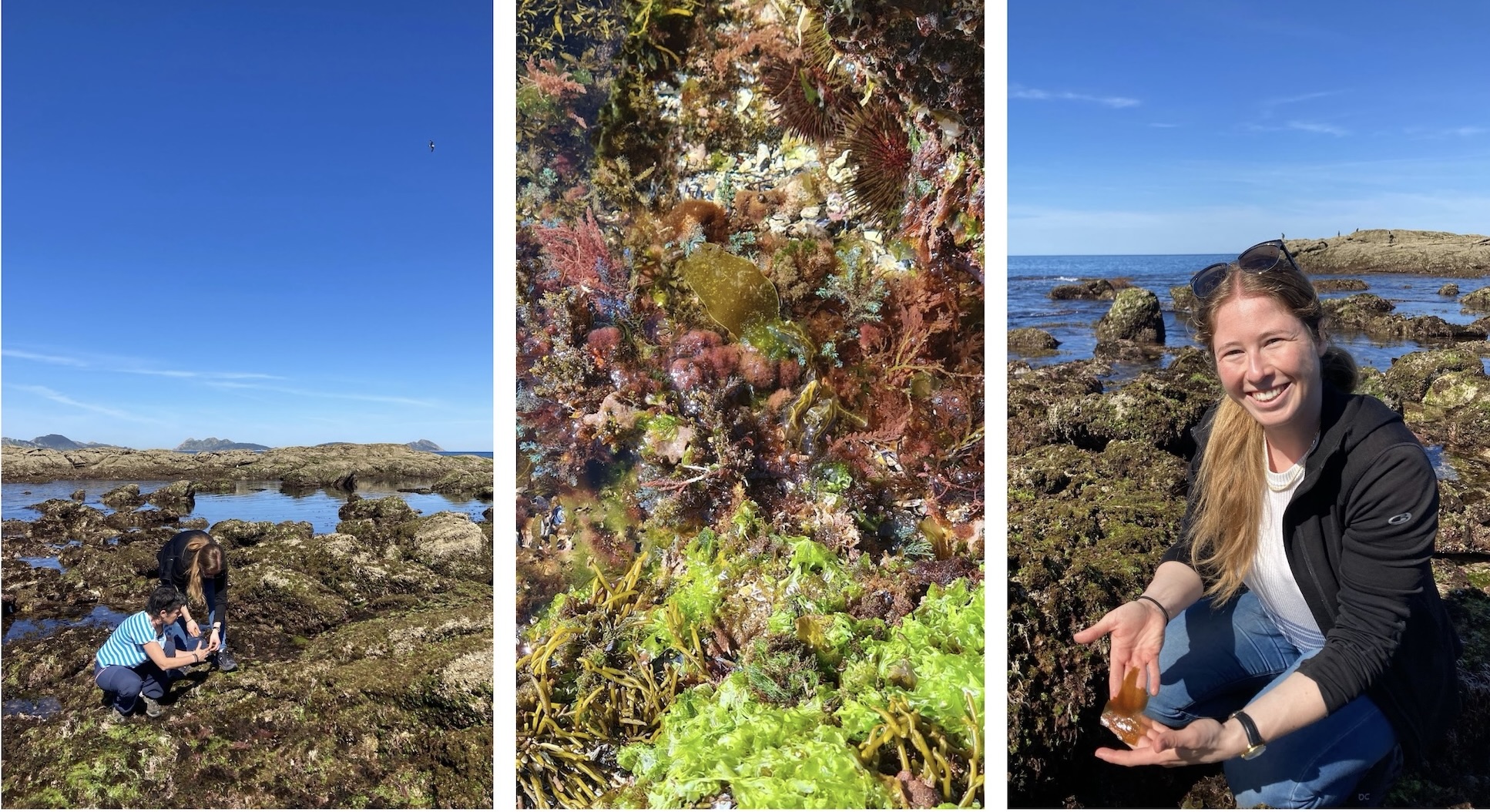
These were deployed the next day, along with other algae fragments, at our harbour site in a preliminary test. Now we just have to keep our fingers crossed that our setup holds and that it doesn’t get washed away… or even eaten by fish or invertebrate grazers.
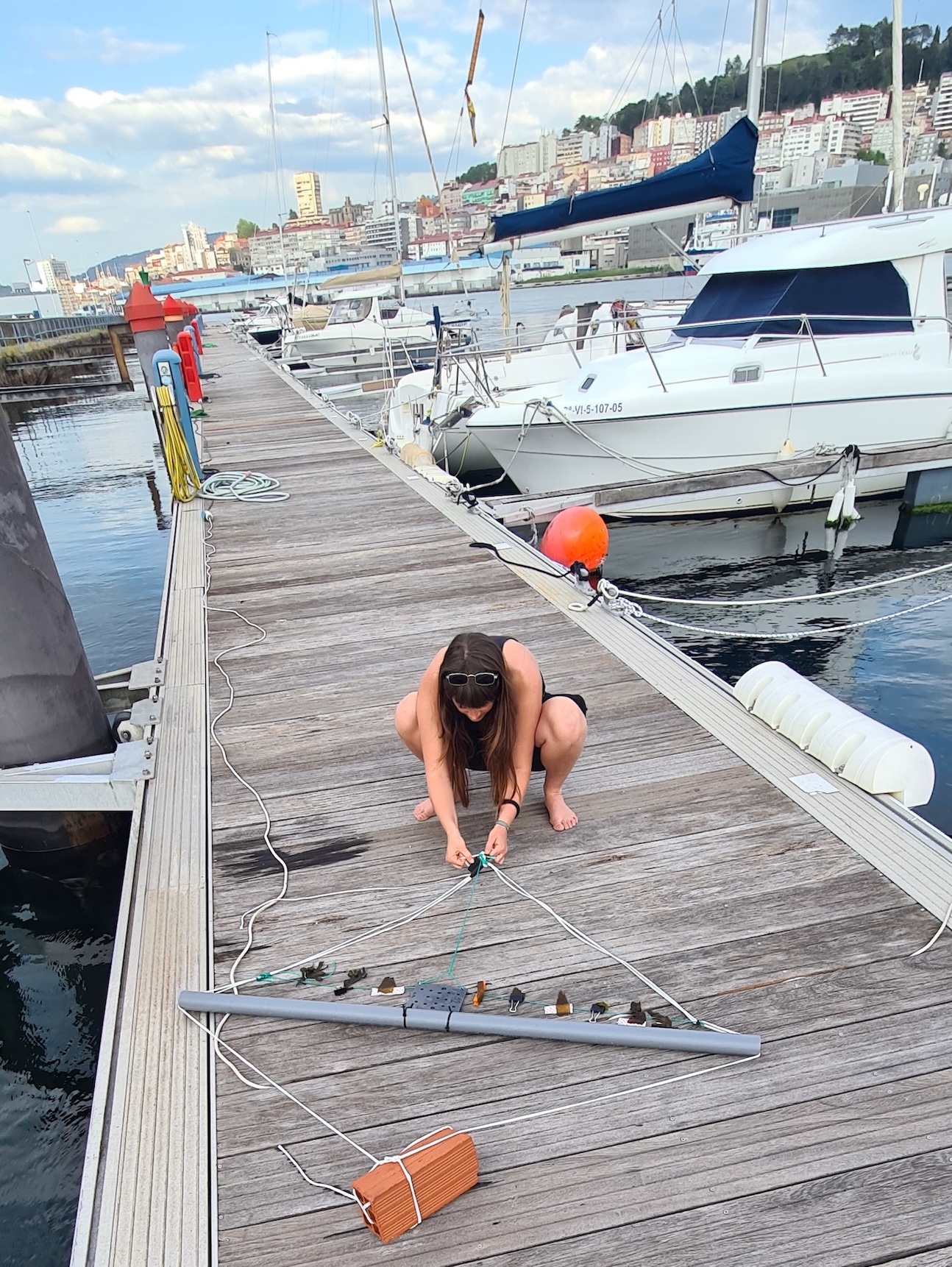
So, everything remains exciting.
In any case, we’re ready to diligently tinker and by this solve any problems that arise in the coming weeks.
Anna & Verena

Our ocean is an incredibly vast and mysterious place. And there is no place where that is more evident than the deepest ocean area in the world: the legendary Mariana Trench. Located east of the Philippines, the Mariana Trench lies in the Mariana Archipelago in the western portion of the North Pacific. The greater area of the Mariana Trench Marine National Monument is made up of more than 95,000 square miles of ocean. Beneath these waters lie incredibly complex aggregations of submerged islands and volcanoes … and of course, an astoundingly massive trench.
Dive in with us to have your biggest questions answered about the famed Mariana Trench.
How deep is the Mariana Trench?
The deepest part of the Mariana Trench, known as Challenger Deep, is almost 36,000 feet below the ocean’s surface. For context, Mount Everest is about 29,000 feet above sea level, so the Mariana Trench is about 7,000 feet deeper than Mount Everest is tall. For one more comparison, the RMS Titanic lies at a depth of about 12,500 feet below sea level. The Challenger Deep is in waters nearly three times deeper than this ship’s final resting place.
Due to its enormous size, the Mariana Trench has at times been affectionately nicknamed the Grand Canyon of the ocean. This is certainly a picturesque image, but don’t let the mammoth size of this U.S. national terrestrial park fool you into thinking the Mariana Trench matches its size. The trench’s footprint is estimated to be 120 times larger than the Grand Canyon’s, and to reach the bottom of Challenger Deep, you’d need to descend through almost six Grand Canyons stacked on top of each other before you’d reach the seafloor.
Oh … and did we mention it’s five times wider than it is deep? It’s about 43 miles wide!
What is Challenger Deep, and how long would it take to reach it?
Challenger Deep is the deepest point of the Mariana Trench. Fewer than 30 people have ever journeyed to this area. The trek below the surface is long, dark and time-consuming, and it’s not an expedition considered lightly by scientists and explorers.
The first people to descend into the depths of this area in 1960 were oceanographers Jacques Piccard and Don Walsh, and it took them close to five hours to reach Challenger Deep. Since then, more advanced submersibles have been created, but it still takes two to four hours for modern vessels to reach such depths. For example, explorer and filmmaker James Cameron reached the seafloor in a little more than 2.5 hours in the first documented solo submarine dive to the area, and it took oceanographer Dr. Dawn Wright about four hours in 2022. It is crucial that these submersibles descend slowly and steadily beneath the surface, as the immense water pressure compounds with every mile a submersible descends. Speaking of pressure …
Get Ocean Updates in Your Inbox
Sign up with your email and never miss an update.
What is the water pressure at the bottom of the Mariana Trench?
If you thought the depth of the Mariana Trench was its only jaw-dropping feature, think again. Water pressure is one of the most important factors affecting deep-sea life. In the ocean, pressure increases by one atmosphere for every 33 feet (10 meters) of depth. One atmosphere (a unit of measurement for pressure equivalent to average air pressure at sea level) is equal to about 14.7 pounds per square inch (PSI), which is the approximate standard atmospheric pressure at sea level. If you were to convert atmospheric pressure into weight, one atmosphere is about the weight of a bowling ball. Stay with me, friends.
If a vessel were to dive 2,000 feet below the surface, the pressure would equal that of 60 bowling balls stacked atop every square inch of that submersible. But 60 bowling balls is simply nothing compared to the pressure in the Mariana Trench. The atmospheric pressure at the depths of Challenger Deep is equal to about 16,000 PSI. That pressure is about the same as the weight of an entire full-grown elephant on every square inch of a submersible!
Need a more extreme comparison? If a human were to be placed at the bottom of the Mariana Trench, the pressure would be equal to that of 50 jumbo jets piled on top of a person!
Do any animals live in the Mariana Trench?
The depths of the Mariana Trench come with immense pressure and extreme darkness, but somehow, life finds a way to survive. Organisms that live at an extreme depth, like that of Challenger Deep, have to be highly adapted to low temperatures (typically just above freezing), high pressure and virtually no light at all.
Species found in the depths of the Mariana Trench might look vastly different from animals from other ocean depths because their anatomy has been refined to thrive in harsh conditions. At such great depths, these animals typically depend on chemosynthesis (using nutrient-rich waters being pumped out of hydrothermal vents) or descending detritus (dead matter that has fallen from higher parts of the ocean) for food, such as whale falls. Just a handful of these animals include species of octopuses and squids, sea cucumbers, amphipods, sea jellies, shrimp, sea worms and some wild-looking fish!
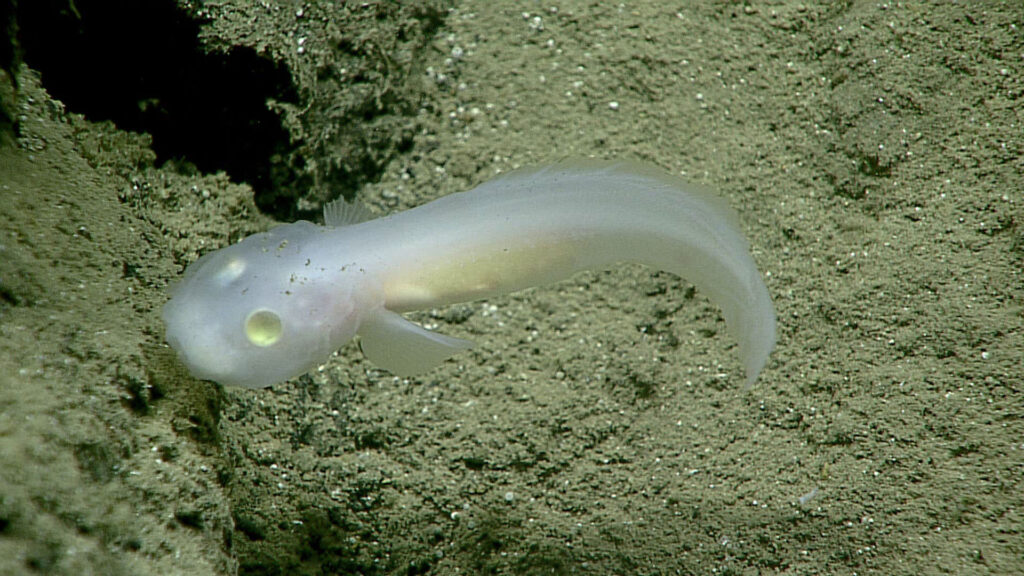
In 2025, more than 7,000 new species were discovered in the Mariana Trench, including the hadal snailfish (Pseudoliparis swirei). This is the deepest-dwelling fish currently known to science. Now, the fish has been dubbed “the Mariana snailfish.”
How was the Mariana Trench formed?
The process by which the Mariana Trench was created is a geologically fascinating one known as subduction. On the Earth’s surface, there are thin plates that cover the planet’s mantle, which is made of molten rock. If two of these plates collide, one pushes down into the Earth’s mantle while the other is pushed over the bottom plate. When this happens, a trench is formed from the drag of the bottom plate. This process can sometimes create incredibly strong earthquakes. The plates that forged the Mariana Trench’s creation are estimated to be up to approximately 180 million years old.
This trench was unknown to scientists until 1875. It was then that a team of explorers on the HMS Challenger measured the depth of the sea by simply lowering a weighted rope into the water. They were baffled when they measured that first portion of the seafloor to be five miles below the surface. And so was born the origin of some of the most daring deep-sea explorations known to mankind to date.
Is the Mariana Trench protected?
The Mariana Trench is in waters off Guam and the Mariana Islands. The region is protected from some human activities under its status as a marine monument. The creation of the Mariana Trench Marine National Monument signified that international, national and local leaders all recognize the importance of protecting this area.
However, just because the region is protected does not mean it’s not vulnerable to modern threats to ocean health. Plastic bags have been spotted in the Mariana Trench during several expeditions, highlighting the far-reaching impact of the marine debris problem. No corner of our ocean is safe from the ever-present threat of plastic pollution. The reality of a changing climate makes the future well-being of wondrous places like the Mariana Trench uncertain. What’s more: More than 70% of the global ocean has yet to be mapped. And what we don’t yet know about, we cannot wisely work to protect.
It’s up to us to work together to defend our ocean, from the sandy shores of our favorite beaches to the deepest, darkest parts of the sea. Together, we can work to protect our ocean as a whole, which ultimately helps protect treasured places like Challenger Deep.
Find out how you can join Ocean Conservancy’s wave of momentum to secure a healthy ocean and a thriving planet, forever and for everyone!
The post The Mysteries of the Mariana Trench appeared first on Ocean Conservancy.