

PEAK Wind Masters Site and Turbine Selection
Lene Hellstern, Director of Engineering at PEAK Wind, discusses the complexities of onshore wind siting, the advantages of using LIDAR technology, and strategic considerations for turbine selection.
Sign up now for Uptime Tech News, our weekly email update on all things wind technology. This episode is sponsored by Weather Guard Lightning Tech. Learn more about Weather Guard’s StrikeTape Wind Turbine LPS retrofit. Follow the show on Facebook, YouTube, Twitter, Linkedin and visit Weather Guard on the web. And subscribe to Rosemary Barnes’ YouTube channel here. Have a question we can answer on the show? Email us!
Allen Hall: We’re back with Lene Hellstern, the Director of Engineering at PEAK Wind, and we’re talking about onshore wind siting, which is a really critical issue that a lot of operators have difficulties with. And I’ve seen it in the United States and it’s not good.
And I’m wondering from your perspective, what are some of the problems, Lene? Well first, welcome back to the podcast.
Lene Hellstern: Thank you. And thanks for having me repeat experience last time, so I hope so. I thought I’ll pop in again.
Allen Hall: Well, it’s good to have you back and thanks
Lene Hellstern: for coming to Copenhagen.
Allen Hall: Yeah, well we love Copenhagen.
It’s great. Uh, I just wish it was a little bit warmer. Yeah, the sun is terrific. Yeah. When you’re in it, well, at
Lene Hellstern: least I fixed that. Right. Yes. It’s not raining. It’s not raining. Yes.
Allen Hall: We, we quite enjoyed it. Uh, but I’m trying to get an understanding of what the underlying issues are with onshore wind siding and why some of the operators have difficulty later on.
Let’s just start with the sighting [00:01:00] itself. Yeah. Is usually, we’ll see a wind mast out on site for several months, maybe a year, maybe two years. To try to get some wind data. We would
Lene Hellstern: really like that. Yeah. Okay. But, uh, the preferable measurements are lidars.
Allen Hall: Oh, lidars. Yeah. I have not seen a lot of lidars in use.
Lene Hellstern: No. You, you need to get some more.
Allen Hall: Why?
Lene Hellstern: Um, because they reach higher.
Allen Hall: Okay.
Lene Hellstern: Um, and you can, uh, you can, you can move them around. Right. And the hassle of installing a Met Mass that’s a hundred meters tall, is, uh, is it a problem? Quite, uh. Quite it, it cost a lot more. Yes. Um, and, and the lidars, they, they just, they’re better and they measure higher.
And you can, you can have one sort of mother lidar and then you can move the other around and you can cover your wind resources and site suitability much better on the site. So I would definitely recommend
Allen Hall: lidars. Okay. How the lidars use a [00:02:00] good bit of power to make them run, correct? Yes. So you need a decent power source?
Yes.
Lene Hellstern: You do? Yes.
Allen Hall: Okay. Yeah. I, is that one of the difficulties why they don’t use a lidar? Is it just in a lot of remote areas, they don’t have the power source to run it?
Lene Hellstern: It could be, or it could be the, the lack of knowledge. Right. Traditionally we have used med masks, yes.
Allen Hall: Forever.
Lene Hellstern: Uh, so, so it could be, and then there are also some, um, uh, some issues with uncertainties because the lidar is the, the standards are not up to date.
I would say that’s the political way correct way of saying it. So. Eh, the standard actually introduces more uncertainty on the lidar that’s really not necessary to, due to a calibration with a me mast. Um, so that there’s some, there’s some things that needs to improve in that area
Allen Hall: because a lidar should be a lot more accurate than a met mast.
Lene Hellstern: Yes. Yeah. Yeah. But, but the, the downside of the lidar, so that, that is not often we see that, is if you don’t have enough particles in the air, you have [00:03:00] an issue because then you are, you’re simply not gonna be able to measure. The, the, uh, velocity of the particles because they’re not there. And then you have a low availability on your measurements.
But, you know, most places there’s, there’s a quite a lot of dust. There’s pollution. Um, so there, there are things in the air that we don’t see, but the lighter sea and then you can make the measurements.
Allen Hall: And as the hub heights have gotten taller, it gets a lot more difficult to get a met mass up that high.
So the lidars go can measure winds. How high up in the air? How many meters? I
Lene Hellstern: think at least 250 meters. Wow. And, and you want, you want to, you know, traditionally you would only measure at hop height, but you wanna measure at the, the, the rotor surface, right? So you wanna measure at tip height, and you wanna measure at lower top tip and lower tip to, to see what, for instance, what’s the wind share across your, uh, rotor disc.
Um, which
Allen Hall: you cannot really do with a met mast at all. You can’t do that. You have no [00:04:00] wind share knowledge. From that instrument? Sort of, yeah,
Lene Hellstern: you can, because you can make, you always, you, you have a met mass that’s at least at hop height, and then you have, uh, anemometers and wind veins and I don’t know what on all the way down.
Um, and you can with, without that equipment, you can, you can measure on the lower part of the rotor, but not the upper part. So, so you, you do get some possibilities to measure wind share, but not as good as, um, for instance, a lidar. Yeah.
Allen Hall: So how many lidars would you typically need on a 100 turbine site?
Lene Hellstern: Well, that depends.
Allen Hall: Okay.
Lene Hellstern: Because you have a, if you have complex terrain,
Allen Hall: right?
Lene Hellstern: Yeah. You may want a lot. Right. That’s what I
Allen Hall: was wondering if the more hills and valleys, the, the more lidars you will need, or more samples you’ll need, or maybe the longer duration you’ll need. Yes.
Lene Hellstern: Yeah. And you, you would wanna, you know, it’s always the best to measure it.
I think it’s [00:05:00] ideally five years. Nobody does that five years. Nobody. No, no. But you should at least have two, right?
Allen Hall: Yes.
Lene Hellstern: Uh, and then you should do a proper long term correlation. Um, so, so that’s, and how does
Allen Hall: that, how does that accomplish Right now, let’s just say we have a met mass. What I typically see is, has been a met mast out in the middle of the United States where the winds are pretty good.
Speaker 3: Yeah.
Allen Hall: And they have data. They have some data. Yeah. So typically I’ve seen them out there a year, maybe two years, and then. The, but the sites are massive. Yeah. They’re, they’re square miles. Yeah. Dozens of square miles. So it’s big.
Speaker 3: Yeah. I
Allen Hall: dunno whether it’s in kilometers, but a lot of square kilometers. So then they are trying to interpret interpretate that data that they have from the Met Mass on top of that.
I think they’re looking a little bit forward in terms of who, what other wind farms may be surrounding us in the next several years. Yeah.
Lene Hellstern: And that’s, that’s one of the challenges we have because there’s a lot that. Uh, you, there’s a lot of guessing.
Allen Hall: Yes.
Lene Hellstern: Um, and so if [00:06:00] you are planning a wind farm, you wanna know what goes on in the area.
You wanna map out the already existing turbines, uh, and what, what hop height, what rotor size, because you wanna be able to model them in your calculations.
Allen Hall: That was really good. Get to my question about how difficult this process is and how you try to address it. In the United States, we turn over wind turbines every 10 years, so there’s a repowering happening and.
Almost always, the rotor size gets substantially bigger. 20 to 30 to 50% bigger. Right. So there’s fewer turbines, same location. Yeah. And the turbines are roughly in the same spots, but they’re just bigger rotor diameters. How do you then prepare for that? Do you use the old data or is the old data even applicable?
If I’m really dramatically increasing the rotor size, do I need to be doing more? LIDAR measurements before I make that repower, or how do I even cite that? Right.
Lene Hellstern: Uh, you can, if you have some good SCADA data from your turbines, you can do some [00:07:00] modeling. And many of the sites actually have a met mast. They do a lot Yeah.
As a reference, right? Yes. Right. But that will be on it, it will have sectors where there’s a lot of weight from the existing.
Allen Hall: Okay.
Lene Hellstern: So, and so I would, I would, I would try, I would filter your SCADA data from your site and see if, can I, can I use this? I’ll take a look at the mid mass state and see, can I use this?
If not, I’ll start a me mass campaign. Now the problem is if you’re reusing the spots now, well first of all, that’s a little bit difficult reusing because your foundation is dimension to an old generation turbine. Uh, let’s say take someone a hundred, a hundred, uh, meter rotor, right? Right. But now you’re going up in size.
Um, so that means everything gets heavier and bigger, right? So your foundation may not be suitable. The old foundation, normally they’re over dimension. So you can, you can extend life or you could repower on them, but you would want a bigger turbine. [00:08:00] So you don’t necessarily want to use the opposition, right?
And then you would wanna know what is in the pipe. You know, when can I get my, when can I start digging? Right? When can I start installing? Uh, what is in the pipeline at that point from the OEMs? Because sometimes it actually takes five years from, you start planning until you, you, you start digging. And in that time, if you, you, if you space with today’s models, you are gonna have two shorter distance between the turbines because the new turbines on the market that you would wanna buy has increased significantly.
Um,
Allen Hall: and that’s a real problem. Yeah. Like that, this, this. Between the, the siting time, the met mass, the LIDAR data, getting enough data and having to make the decision about a turbine relatively early because the production lines are not operating at full capacity right now. Yeah. It’s hard to get a turbine.
So you are 3, 4, 5 years out. Yeah. How do you plan for that on an onshore site?
Lene Hellstern: Well, [00:09:00] you, you gotta guess a rotor and guess a, a turbine site. Okay. Right, right. So, but
Allen Hall: do, do the engineering staffs that a lot of operators have that inside knowledge because it seems like smaller operators, I’m, I’m not the urals of the world, have power and they can see inside the factories and they have a really good connection and they develop that connection over a long, many, many years.
Speaker 3: Yeah.
Allen Hall: Where newer operators usually do not have that sort of insight. So where do they go to get help?
Lene Hellstern: Well, well, they could go to, right? We could help them a little bit, but. You can also look, if you look at the evolution of the turbines, you can, and I, I’m, I’m hoping we are at a little bit of a pause here in the, in, in the growing size.
So we, we can refine the turbine, we can refine our manufacturing facilities. We, we get better at service and installation. But you can pretty much, you know, guess the rotor. Uh, I’ve, I’ve done that a lot in, in this job and my previous job, because you [00:10:00] look at, if you look at when the. When did what? Come on the market and from what, OEM.
Right. And then you, you know, there’s, there’s other topics you need to look into for, for instance, site suitability. Right? Right. What are, what are the conditions on the site? Um, are you a, we, we categorize in different classes. I, e, c, 1, 2, 3, um, or turbulence classes. A, B, C. And then there’s the, the class I like the least that is the Class S.
Which is special. And then you never know what it is before you start digging in all the paper. Um, but, but you, that’s sort of the first things you need to find out. What class are you? And then there’s a small in that because, um, you may think you are a, a class two or have a class two side, but then it turns out that your air density is unbelievably low.
So sometimes you can actually squeeze in a class three. Turbine on a class two [00:11:00] side and get that much more production.
Allen Hall: Do a lot of operators know that?
Lene Hellstern: No.
Allen Hall: I wondered. Okay. Yeah. Well
Lene Hellstern: maybe the, it’s not so much the operators. It’s the developers. Developers. Sure. Yeah, yeah, yeah. That has to, to, to dig a little bit more into the lovely engineering science around turbines and.
And, and then do more site suitability because you can actually improve your, the value of your project quite significantly.
Allen Hall: That’s what I wonder if, if you spend a good extra amount of time maybe spending a little more money to get LIDAR measurements Yeah. And to do them for a slightly longer period of time, does that have a return on investment?
Lene Hellstern: You get, you get less uncertainty. Right. And then I think some of the issues or some of the mistakes that the developers do, they. They do a wind, they do a, a production estimate, but that is not the same as a site suitability or uh, [00:12:00] you know, also, some people also think if I do a wind resource assessment, then I’m covered.
No, because that is the input to the site suitability. Now you also need to do the site suitability. So you know, I would start out doing a wind resource assessment, right? Then I would do a site suitability and then you do your production calculator.
Allen Hall: And how long does that process take, generally?
Lene Hellstern: Oh, that’s always a cue.
So it could take, uh, it depends on who you use for this, right? But it could take four to to eight weeks.
Allen Hall: Okay. That’s not horrible. No,
Lene Hellstern: no, no.
Allen Hall: Alright, so it, it is relatively efficient compared to other things that happen in wind.
Lene Hellstern: Yeah. If you are have a complex site, it can take longer because you need to run a lot more calculations due to, uh, the comp complexity of the terrain, right?
Mm-hmm. You can have issues with inflow, angles, uh, ware, wind share, uh, [00:13:00] all the lovely technical things. Yeah.
Allen Hall: Well, and because we’ve developed so many sites to date, all the best wind sites have turbines in them mostly right now, and. We’re, we’re starting to get along the fringes of that good wind area.
Yeah. And in some cases, does that change the way you do the analysis and do the approach?
Lene Hellstern: Yes, but, um, some of us have done that for a long time because it’s not good enough to have good wind if you don’t have good grid. Um, so, so for me, a good wind side, you know, we, I, I spoke with someone yesterday about.
The best, uh, uh, wind resource in Sweden. Um, but, but if that area doesn’t have a good grid, then you know it, I can’t harvest the wind. Right. Right. Um, and it’s the same in, in the US right? You, you have some grid issues. Um, so we have a lot of
Allen Hall: grid issues. Yeah.
Lene Hellstern: And if you don’t, everything is [00:14:00] combined.
Everything works closely together, right. Uh, the technical, the commercial and the finance. So if, if, if that is not. Well, um, covered in a, in a, or, uh, investigated in a project, you don’t have a good project. Um, is
Allen Hall: the grid the limiting factor in a lot of onsite onshore sites?
Lene Hellstern: I think the world is becoming more and more electrical, which it is, which I think it’s good.
Mm-hmm. And I don’t think that they, we can point at any government that was super duper on, um, expanding the grid. Um, no. I know there are issues in Texas. There are also issues in Denmark where I’m from. There are, yes, there’s issues in Europe. So, um, we, we need, we need massive in investments from the government to build out this grid.
It’s, it’s not, um, enough to say we want clean energy and then do nothing. Right. Well
Allen Hall: this is where, where, where the ons onsite versus the onshore versus the offshore comes in. Yeah. [00:15:00] Is the grid.
Speaker 3: Yeah.
Allen Hall: So in the US and other places, uh, there’s been. A, a lot of concern about offshore wind, but offshore wind, you can get to a grid relatively easily.
Yes, usually. Yeah. Yeah. And it’s less bureaucracy to lay cable in the ocean than it is to run transmission lines over land.
Speaker 3: Yeah.
Allen Hall: So is this starting to flip a little bit because of the onshore limitations in the grid that we’re seeing more offshore, just because it’s easier.
Lene Hellstern: Well in Europe, but I would not say that in the us Right.
But, uh, but, um, um, it, it, it is easier, but it’s also much more complex to put up these, uh, offshore projects. They are in development for many, many years compared to onshore.
Allen Hall: Right.
Lene Hellstern: So, so onshore is a little bit of a, depending on country you are in, if it’s overpopulated right? It’s, it’s difficult, but it’s, it’s a much more of a quick fix, uh, [00:16:00] onshore.
For, uh, lack of energy. Right, right. But, but it just requires it, yes, it requires the grid and yes, it requires that you don’t do it in a popula populated area. We don’t want to do that. Right, right. We want, we want the open fields, um, where we’re not disturbing anyone. True. Yeah.
Allen Hall: True. But we also want infinite electricity.
Absolutely. So you have to weigh those two off.
Lene Hellstern: I, but I think the turbines are beautiful. So I would, I would love to be able to see one from my house, but I can’t. Yeah.
Allen Hall: We have actually quite a few we can see from our, from our house. Yeah. Yeah. And no one complains. No. They complained for the first few weeks after they were installed and after that it’s been completely quiet.
Yeah. But,
Lene Hellstern: but I do understand if you place turbines too close to a house Right. Sure. That, how that can be disturbing. Sure. Um, I, I totally understand that. Yeah.
Allen Hall: Can we talk about AI data centers and independent grids and how that’s factoring [00:17:00] into some of the decisions about where to place wind sites?
Because it does seem like in a lot of places in the world, these AI data centers are going to go in. Yeah. And they’re making decisions about using natural gas to power the turbines or using wind and solar and a little bit of battery to, to run these centers. Yeah, but that doesn’t necessarily. Wire a connection to the grid.
Does that make it easier in a sense that you don’t necessarily have to have a grid connection, you could put something out in a remote area that it still had good wind and still has good solar with a little bit of battery? And are you starting to hear more action that way, or interest in that?
Lene Hellstern: I’ve, I’ve seen that there’s been, uh, quite some centers that has, uh, made, uh, PPA agreements with, with wind turbine owners.
But they are normally not super close, uh, uh, located to the wind farm. Okay? And I would also say that I would find it a little bit difficult, [00:18:00] uh, if they were remote, because you need a, you need a constant power source and, and the wind doesn’t blow all the time, right? No. So you need, you need a lot of, uh, combination mechanisms, right?
You do to make sure everything runs stable.
Allen Hall: But you may not have neighbors in that case because you could select a site that’s a little bit further away from. Society in a sense. Yeah. Where the, the wind siding may be a little more complicated though because we, we probably haven’t looked in those areas because it’s not connected to the grid.
So you may not have historical wind data doesn’t make the problem just bigger. So I do think in the United States you see like Amazon and Meta and Google talking about using wind and solar to power some of these data centers. Yeah.
Lene Hellstern: And, and they are, and I know that there are, uh, agreements that has been signed.
But I, I am, I don’t think they are close, uh, you know, in close proximity necessarily.
Allen Hall: Okay.
Lene Hellstern: But of course the, the, the electricity needs to be to be transported in the grid. Right. [00:19:00] And it’s not like it’s a microgrid around the data center.
Allen Hall: I think you may see more microgrids.
Lene Hellstern: Okay. Well that could be interesting.
Well, that’s what
Allen Hall: I’m wondering because there may be more microgrids that won’t even be microgrids because the amount of power that they’re gonna use, they’re gonna be decent sized grids.
Speaker 3: Yeah.
Allen Hall: That. Th that becomes even a more difficult engineering challenge.
Lene Hellstern: Well, I think it’s gonna be too expensive.
Allen Hall: You think so?
Yeah. Compared to natural gas or just because No, just,
Lene Hellstern: uh, buying, doing a PPA with a wind farm that may be a hundred kilometers away. Yeah. Right.
Allen Hall: Okay. Um, well that’s interesting. Yeah.
Lene Hellstern: I think the whole, um, uh, burying the cables in the, you know, the whole installation, uh, is, is simply, it’s simply to, uh, it’s complicated cap.
Is too high.
Allen Hall: Okay.
Lene Hellstern: It’s, it’s much more affordable just to buy a PPA.
Allen Hall: Yeah. It may be. Yeah.
Lene Hellstern: Yeah.
Allen Hall: Okay. Well this is, this is fascinating. Can I pick your brain or bother you just a little bit longer?
Lene Hellstern: Yeah, [00:20:00] yeah, sure. Okay.
Allen Hall: So
Lene Hellstern: it depends on the time. Yeah.
Allen Hall: We got 20 minutes. Good. Can I steal 10?
Lene Hellstern: Yes, sure.
Allen Hall: Okay.
Lene Hellstern: This is not my core area, just so you know.
Allen Hall: No, no, no. I wanna, I wanna get, I wanna get back into Yeah. The, the meat here, which is turbine selection.
Speaker 3: Yeah.
Allen Hall: I have my LIDAR data. Mm-hmm. I have my MET Tower data. I have say I have two years. I am really the best wind resource knowledge operator developer that you’re gonna meet.
Speaker 3: Yeah.
Allen Hall: Great. Super. What do I do next in terms of picking a turbine?
How do I even do that? And how does that process look like if I’m talking to OEMs about something that’s still three years from being developed?
Lene Hellstern: Well, you need to start, you, you need to have your planning, uh, your permits in order.
Allen Hall: Sure.
Lene Hellstern: So depending on what country you are in some operate, what you need to apply for the [00:21:00] specific location of the turbines more, it’s more a box.
Uh, so it’s, you say, I am, I wanna apply for 300 megawatt, 500. Uh, please. In, in this area. Um, so then you start looking at your site, suitability, uh, what, what boundaries am I working within? What is my average wind speed in different, these different heights? Uh, what’s more, how do I get levelized cost of energy as low as possible?
Because some people still sit and look at the net capacity factor, but those days are over, right? They are,
Allen Hall: yes.
Lene Hellstern: Yeah. So when, when all alarms should go up, if they say. Good lift capacity factor. Yeah. Super. What’s your live life cost of energy there? Um, so, so then you, now you start, you have a good idea on what kind of a turbine class should I look at?
Then you start looking at who is, do you wanna do self service? Do you wanna have a full service agreement?
Allen Hall: Exactly. That’s what Im really wondering how that works then, because if I [00:22:00] know the basics of the wind site, do I just. Put a proposal together and slide it to Vestus and slide it to ge, or is there still more I need to do before I start talking to them?
Lene Hellstern: You need, you need to ask you yourself and your organization. Okay. Or PEAK. Yeah, but, but we would ask you as well, what is your o and m strategy, right? Do you wanna do self perform? Do you want a full service agreement? What, what’s, how risky do you wanna make it? Is that
Allen Hall: a deciding factor in determining what turbine you want to purchase?
Yeah.
Lene Hellstern: Because then you may not need D-O-E-D-O-E-M to have a service organization close to your site. Right? Let’s say, okay, so
Allen Hall: let’s say you choose vestus because they have a, they want to sell you a full service agreement, generally sPEAKing. Yeah. Where a, a GE typically doesn’t care or not so involved in that.
Lene Hellstern: Okay. But then, but you wanna know, do they have a service organization close to right. Right, right. Or are they gonna re uh, are they, do they need to build it? Right? Is this a new [00:23:00] platform? Do they not have any experience with this platform, the people in this area? Because then you, you know, that’s always, so it’s teething issues, right?
Allen Hall: Sure.
Lene Hellstern: Yeah. So,
Allen Hall: so how does that play into your decision making then?
Lene Hellstern: Well, you know, if you have a, if you have, let’s say, four volumes in this area,
Speaker 3: right?
Lene Hellstern: Yeah. And then you had, you, you look at what, what do they, what turbines do they offer? What service agreements can you get? What availability, you know, how does the contracts, you wanna benchmark the TSAs and the SMAs?
Yes. Um, and to see what kind of, who’s the best player here? There’s a lot of pieces to the puzzle. Well,
Allen Hall: that, that’s exactly what I wanted to get to was, I’m trying to understand how deep you’re going in this. So you’re actually looking to see if they have a service site nearby? Yes. And what the service people have been exposed to in terms of turbine type.
Yeah. And also you’re going a little bit deeper to see how successful they have been. Maybe you, you’ve called the sites
Lene Hellstern: around if I have that information. Yes. Yeah. [00:24:00] Okay.
Allen Hall: Yeah. So you’re making a lot of decisions not based upon necessarily what the OEM is offering as a product, but you’re also looking at what does the next 10, 20, maybe even 30 years looks like.
Lene Hellstern: Yeah. And then you wanna know what, you know, what, what turbines, what pipeline is there, and then you wanna do the tender. Right,
Allen Hall: right.
Lene Hellstern: Let’s say now you’re down to three because the fourth one, that, that was a no-go. Right? So now you have, that’s why I always, I say four turbines per site. You need to pick, pick four different OEMs.
Now you’re down to three. Right? And then you, you, you, you, you issue a tender and you, you get the proposals in. Okay? And then you, you start negotiating and you do your tech, your technical due diligence, right? To sort of dig a little bit deeper and understand the OEMs right. Also give them a chance to say.
Hey, this was an issue before, but we fixed this problem and you can see it documented. Oh, you go, yeah, but you’re still, you’re not there. So I need to account for that. So then you have a dialogue with them, and then, [00:25:00]then you have, you, you then the third one is too high and now you have or can’t deliver, or you know,
Allen Hall: doesn’t have a production schedule that meets your deeds.
Lene Hellstern: Yeah. Yes, exactly. And now you’re down to two, and then may the best one win. Right.
Allen Hall: Okay. So you’re talking about. Several months of gyration. Yes. Meeting with the OEMs or OEMs coming to you even to give their pitch. Meanwhile, you’re evaluating their technical expertise about their turbine, and you’re questioning how the previous generation of those turbines have performed looking forward to say, have you fixed the the existing problems?
And what does the next generation look like? Yeah.
Lene Hellstern: Oh, well, what did they look into? Developing a new
Allen Hall: platform.
Lene Hellstern: Okay. Right.
Allen Hall: So are you thinking about risk in terms of new technology? I’ll, I’ll throw the easy one at you two piece blades.
Lene Hellstern: No, thank you.
Allen Hall: Okay. That’s a, that’s a good response. Yeah. Because I think a lot of, there was just a lot of unknowns about that.
Speaker 3: Yeah.
Allen Hall: Yeah. And then now that we have some service history, yeah. We may wanna rethink that. Yeah. Are there other types of [00:26:00] technologies that would lend themselves to requiring further review?
Lene Hellstern: Yeah, but there’s, I, what I’m hoping is that, that maybe we can pause a little bit on the sizing thing in the. Right.
And then refine the components a little bit more and then, and be more innovative, um, instead in the components. In the components, yeah. And, and improve the manufacturing quality installation service. Right? Because, um, sometimes what I see in the industry is not, it’s an old component, but actually it’s the people that’s the issue, right?
Mm-hmm. We don’t, we are not, we are not trained, you know, we don’t have the technicians trained really in a. We don’t have the people in the manufacturing trained well enough, and so, so we make mistakes. So, and
Allen Hall: are you looking for OEMs that are doing more reflective activity at the moment that they’re basically causing new designs?
And then we always do that, that when we
Lene Hellstern: always look at, when we do technical diligence, how is the training [00:27:00] in the, in the manufacturing, you know, what kind of programs do the different people need to go through? How do you get to a seniority? How do they train them? How do they test them? How many years does it take, right?
Because you can’t do things in five minutes.
Allen Hall: Right?
Lene Hellstern: What’s the turnover at a manufacturing plant?
Allen Hall: See? But this is why you would choose PEAK wind to help you do that process. Because I don’t think a lot of developers, and especially in the United States where we see a lot of it, I see a lot of it developers are about putting turbines in the ground.
Yeah. And then selling that farm to the next owner, right? Yeah. So those long-term agreements don’t really play into a lot of this, and from what I’ve seen, but I think in Europe it’s a lot different.
Lene Hellstern: Yeah. No, but we also have, you know, there are different concepts. There is a built to sell.
Allen Hall: Yes. Right? Yeah.
Lene Hellstern: That’s, then you, you, they, they tend not to, uh, be so focused on the technology. Right, right, right. And then there’s the people that built to keep, right, right. And you could, if you can see, they, that was their intention. And then they [00:28:00] ended up having to divest anyway. Then, you know, that they, they, they probably did, did a little bit more work on the technology side.
Which
Allen Hall: one’s more successful? Build to sell or build to keep
Lene Hellstern: build, to keep
Allen Hall: built, to keep has better power production, more revenue,
Lene Hellstern: less uh, downtime.
Allen Hall: Less downtime. Yeah. Because they’ve done their work upfront and many
Lene Hellstern: of them Yes. Have have done it. Yeah.
Allen Hall: Mm-hmm.
Lene Hellstern: So, but, but developers can still do, uh, build to sell.
Sure. But then they need someone with the technol technological glasses to come in and help.
Allen Hall: Sure, sure. But that’s where PEAK wind comes in, because. You carry those people on your staff, you, your PEAK wind’s full of experts.
Lene Hellstern: We would love to, yes.
Allen Hall: So that you can immediately tap the group of experts about the different aspects of this new development.
Yeah. From training to warranties to technology to just generally how an OEM performs and Yeah, but it’s
Lene Hellstern: also, it’s the technology [00:29:00] commercial finance, right? Bingo, finance. Yeah. They go, they go together. Right, right. It’s not a. Enough to have a brilliant gearbox that can last a hundred years if you only need it for 35.
Right. That’s true. And you paid a fortune. Right. That true. That’s just not a good business case.
Allen Hall: Right. And there are turbine manufacturers that have that model that do do that still. Yeah. Yeah. This is fascinating and I, I appreciate your time. Every time we talk, I just get more in depth of what is happening and, and where we can get better as an industry.
Yeah. And that’s what PEAK wind is all about. Yes,
Lene Hellstern: but we are really good already. We just need to get, we are good. Better. Yeah. Yeah.
Allen Hall: We do need to get better. And we do, I think we do need to take a pause.
Lene Hellstern: Yeah.
Allen Hall: So how do people get a hold of PEAK wind and to tap your expertise and attack, to bring in the expertise of your team?
Lene Hellstern: Well, we have a, a webpage, uh, where you can contact us through, or, uh, LinkedIn. I am on LinkedIn, so feel free to send me a, a message. Um. [00:30:00] So, and reach out to us and we would love to help. We also have a, we have offices in Boston and uh, uh, Texas. Uh, we also have Oh, around the world. Yeah. Canada. So Taipei, yes.
Yes. Re and
Allen Hall: congratulations. I think you just won a, was it in Taiwan? Uh, an offshore site Yes. That you’re gonna be operating or managing Meow.
Lene Hellstern: Yeah.
Allen Hall: Yes. Congratulations on that. Thank you. That’s very exciting. That’s
Lene Hellstern: my lovely C in asset management. Yeah.
Allen Hall: Very nice. Yes. So Lene, thank you so much for being back on the podcast and we have to have you back on again ’cause there’s so much to talk about and win.
And it’s great to talk to someone who has been around and has seen it and has done it. Uh, it’s, thank you for having, it’s such a tremendous learning experience.
Lene Hellstern: It was a pleasure. Thanks.
https://weatherguardwind.com/peak-wind-site-turbine/

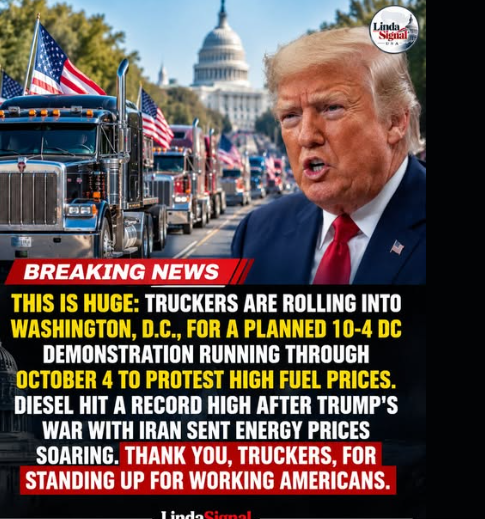 Truck drivers are spending large amounts of their own money to drive into traffic-ridden Washington D.C., flying American flags, the banner that has been usurped by the MAGA right, to protest Trump’s nonsensical war in Iran that has pushed diesel prices through the roof.
Hmmm. I’m suspicious.
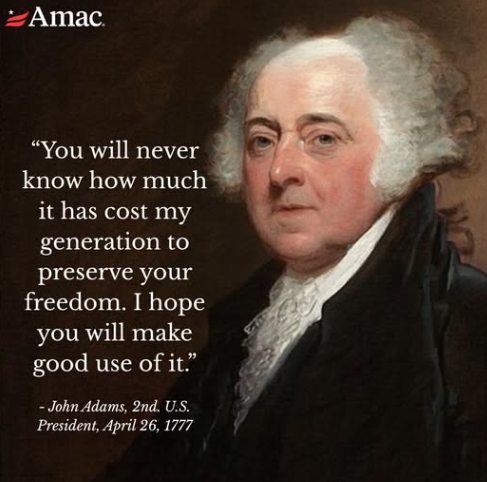 At left we see yet one more reminder of the disaster taking place in the United States.
Our Founding Fathers made huge sacrifices for us, and we’ve seen fit to elect an insane dictator to run roughshod over our beloved Constitution.
We hear that democracies do not descend into authoritarian regimes overnight. That’s true, but what’s happened here has been quite rapid indeed.
As shown at left, American voters have to make a decision, one that is based the credibility of various people, including the president of the United States.
This country finds itself in a terrible position, all based on its citizens’ inability to make even the most basic assessment of Trump’s character.



-
Climate Change1 year ago
Guest post: Why China is still building new coal – and when it might stop
-

 Greenhouse Gases2 years ago
嘉宾来稿:满足中国增长的用电需求 光伏加储能“比新建煤电更实惠”
-
Greenhouse Gases1 year ago
Guest post: Why China is still building new coal – and when it might stop
-

 Climate Change2 years ago
嘉宾来稿:满足中国增长的用电需求 光伏加储能“比新建煤电更实惠”
-

 Renewable Energy11 months ago
Sending Progressive Philanthropist George Soros to Prison?
-
Climate Change2 years ago
Bill Discounting Climate Change in Florida’s Energy Policy Awaits DeSantis’ Approval
-
Greenhouse Gases1 year ago
嘉宾来稿:探究火山喷发如何影响气候预测
-

 Climate Change2 years ago
Analysis: China’s CO2 falls 1% in Q2 2024 in first quarterly drop since Covid-19