

From DAAD Summer School to Doctorate: Reflections at ICON 9
Hi! I am Riel Carlo O. Ingeniero from the Chemical Oceanography Department at GEOMAR. I recently had the opportunity to attend ICON 9 (International Conference on Nitrification and Related Processes) last July 2025, one of the leading conferences focused on advances in the nitrogen cycle. It was an honour to be selected to present my research twice – first during the Early Career Workshop on the opening day, and then through a poster presentation on the second day of the main conference.
ICON 9 brought together many of the most prominent names in marine nitrogen cycle research. I was fortunate to meet and engage with inspiring scientists, including Dr. Boran Kartal, Dr. Hanna Marchant from the Max Planck Institute in Bremen, Dr. Claudia Frey from the University of Vienna, Dr. Scott Wankel from Woods Hole Oceanographic Institution, Dr. Bo Thamdrup from the University of Southern Denmark, and Dr. Qixing Ji from HKUST. I also had the chance to see Dr. Bess Ward in person, someone whose work I’ve long admired.

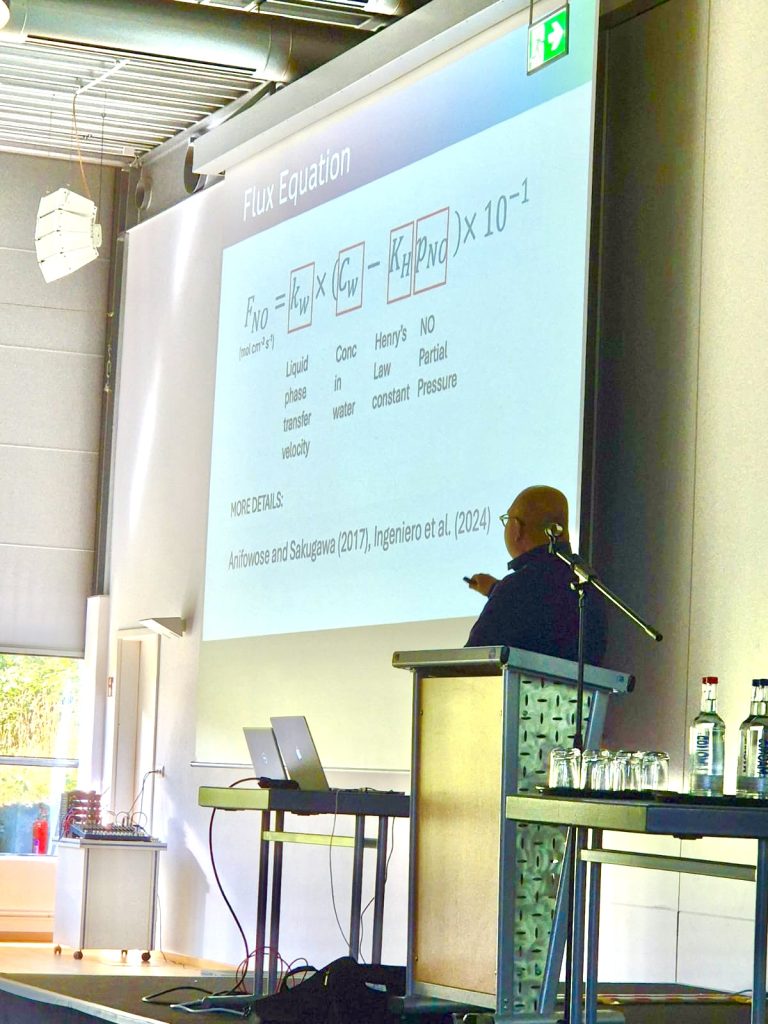
The conference was hosted by the Max Planck Institute for Marine Microbiology in Bremen, a place that holds deep personal significance. I first visited it 13 years ago during a DAAD International Summer School Biodiversity: Diversity of Ecosystems, Genes, and Species at the University of Osnabrück. That visit, including a tour of the Max Planck Institute and MARUM led by Prof. Dr. Rudolf Amann, played a pivotal role in my decision to pursue a career in marine science.
I recently completed my doctorate at Kiel University in June this year, and I am incredibly grateful for the excellent education and world-class research environment that Germany offers. Under the supervision of Prof. Dr. Hermann W. Bange and funded by the DAAD Research Grants – Doctoral Programmes in Germany and the SO305-BIOCAT-IIOE2 project, I have had the opportunity to work on cutting-edge research in marine biogeochemistry, with a particular focus on nitric oxide (NO) dynamics in the ocean.
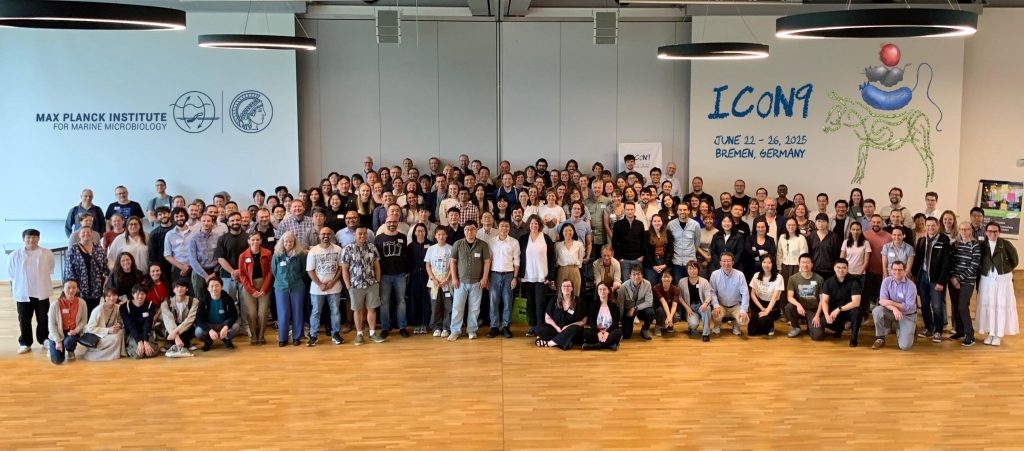
Presenting in front of over 100 participants during the ICON 9 was not only a rewarding experience but also excellent preparation just days before my doctoral defense and oral examination. Overall, ICON 9 was a meaningful and inspiring milestone, a full-circle moment in my scientific career.
Special thanks to FYORD and Kiel Marine Science for supporting my growth as an early-career marine scientist.
Riel Carlo
15th International Conference on Palaeoceanography, India
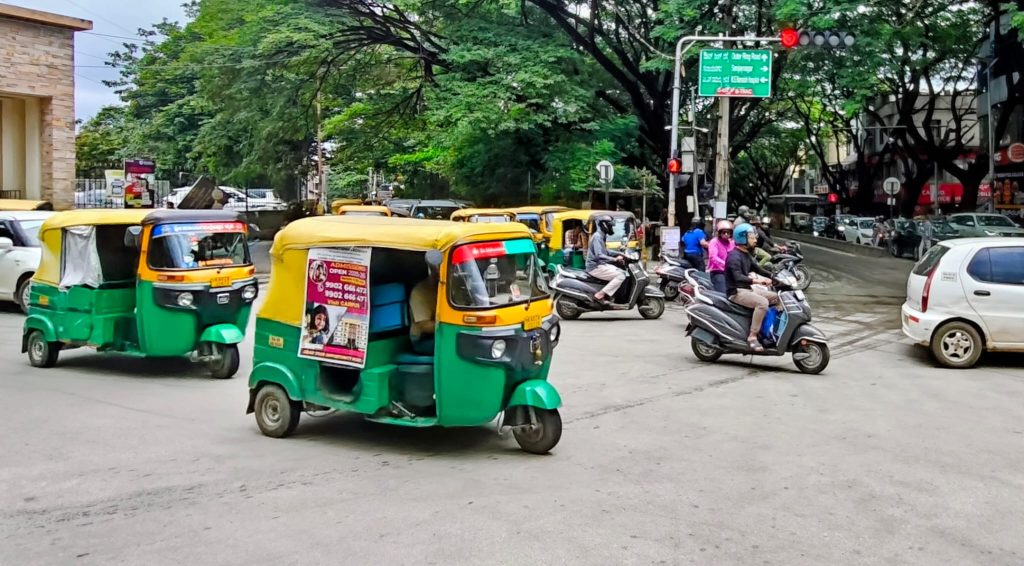
When my Uber wound through the chaotic traffic of Bengaluru at 2 am, I knew this conference would be different from the ones I was used to in Germany. I had just arrived in India for the 15th International Conference on Palaeoceanography (ICP15), supported by the FYORD Travel Grant, and was about to spend a week combining science with new cultural impressions.
ICP is a conference with a unique size and structure. It takes place only every three years, and everyone in the field is looking forward to the meeting – indeed, it rather feels more like a “big get-together” than a conference. The program is linear, with one topic per day and no parallel sessions. This allows for focus and provides more room for discussions. I also had the feeling that this format is more comfortable for Early Career Scientists. You don´t have to plan a lot in advance, and you never feel like you´re missing out on anything. But perhaps the best way to capture the spirit of ICP is to take you on a walk through a typical day:
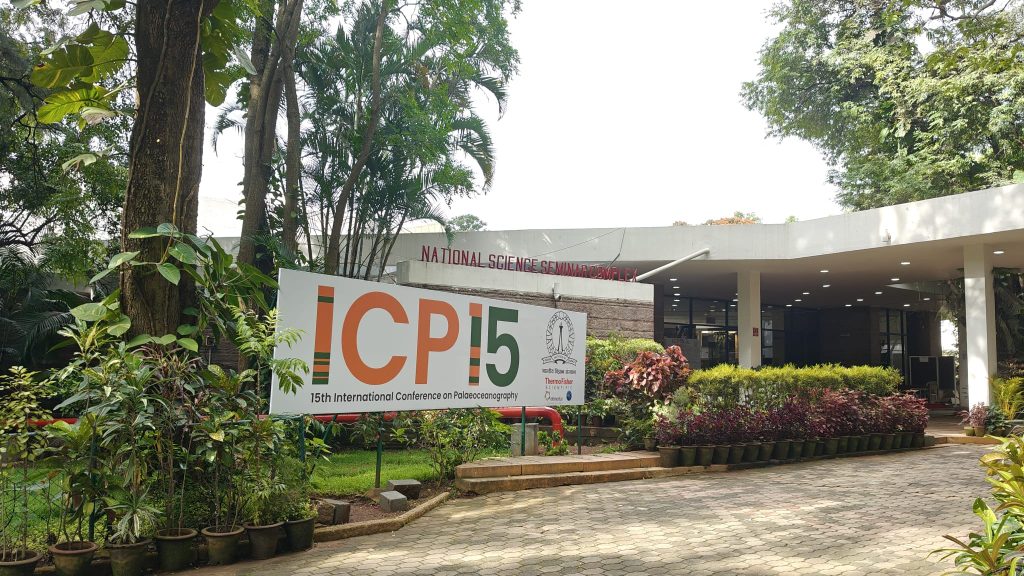
The days started with a short ride in one of the green-yellow tuk-tuks to the conference venue, which was located in one of the few green spots of the city on the campus of the Indian Institute of Science. The mornings were covered by talks by invited speakers. Actually all talks at ICP are only given by invited speakers, and you can only be selected for a talk once in a lifetime! Accordingly, we were able to enjoy some excellent presentations. Before lunch, there was a long plenum discussion with the five speakers from the morning. It was not only a great opportunity to hear different opinions on specific sub-topics, but also to show the connections between different talks, highlighting the most urgent research topics and gaps different groups are currently working on.
During lunch break, we could choose between a variety of typical Indian foods. Even though the chefs took care that the food was not too spicy for the foreign wimps, you never knew if you would sweat after the next bite. The highlight was definitely the daily Dosa, a South Indian speciality: It´s a thin, savory and crispy fried pancake made from fermented dough served with chutneys and sambars.
Long poster-sessions took place in the afternoons. All posters were put up during the whole week, which is also a big difference from huge conferences, where you usually just have a slot of one day or a few hours. It was enough time to look at the other posters, get inspired and exchange ideas. I also presented a poster with the results of the first two years of my PhD, in which I investigate climatically controlled changes in sedimentation at a site in the Southern Ocean close to Antarctica. We were able to link these changes on glacial-interglacial time scales with the ocean circulation and gain insights into the evolution of deep-water formation during times of rapid warming. Onall days, I had fruitful discussions about my work with experts in the field.

Each day was concluded with a perspective lecture by leading scientists fromthe different fields. These lectures were inspiring and an amazing summary, as they provided a broader context and deep insights into challenges and directions of palaeoceanographic research.
With the end of the scientific program, networking was not over yet, but had just started. The evenings offered a great opportunity to approach people and get into contact in a casual atmosphere. Whether at the icebreaker, conference banquet or at the Palaeomusicology Concert – another ICP tradition, which goes back to Nicholas Shackleton, paleoceanographer and skilled clarinet player. It´s an evening where the musical ones among the scientists show their skills. Singing, bagpipes, and even a small spontaneously formed band made the evening unforgettable!
Looking back, I am grateful for the opportunity to attend ICP15 with the support of the FYORD Travel Grant. It was both a scientific and cultural experience, and a great chance to meet old and new friends and colleagues. I can highly recommend ICP to other early career researchers in the field due to its unique format and special atmosphere!
Moritz
Gordon Research Conference in Animal-Microbe Interactions
My name is Igor Duarte, and I am a third-year PhD student at the Marine Symbiosis Lab, where we explore the origins and molecular novelties of close associations between bacteria and marine animals. The partnership I am mostly focused on in my PhD is between a free-living, mouthless flatworm from the genus Paracatenula, and the chemosynthetic bacteria from the genus Candidatus Riegeria that live inside its cells. In this system where no mouth is present to let nutrients in, the bacteria and are chemosynthetic, which means. After hundreds of millions of years of coevolution, this highly specialised symbiosis is now the only way by which each of these organisms can survive, and a topic of high interest to understand the evolution of such longstanding partnerships.
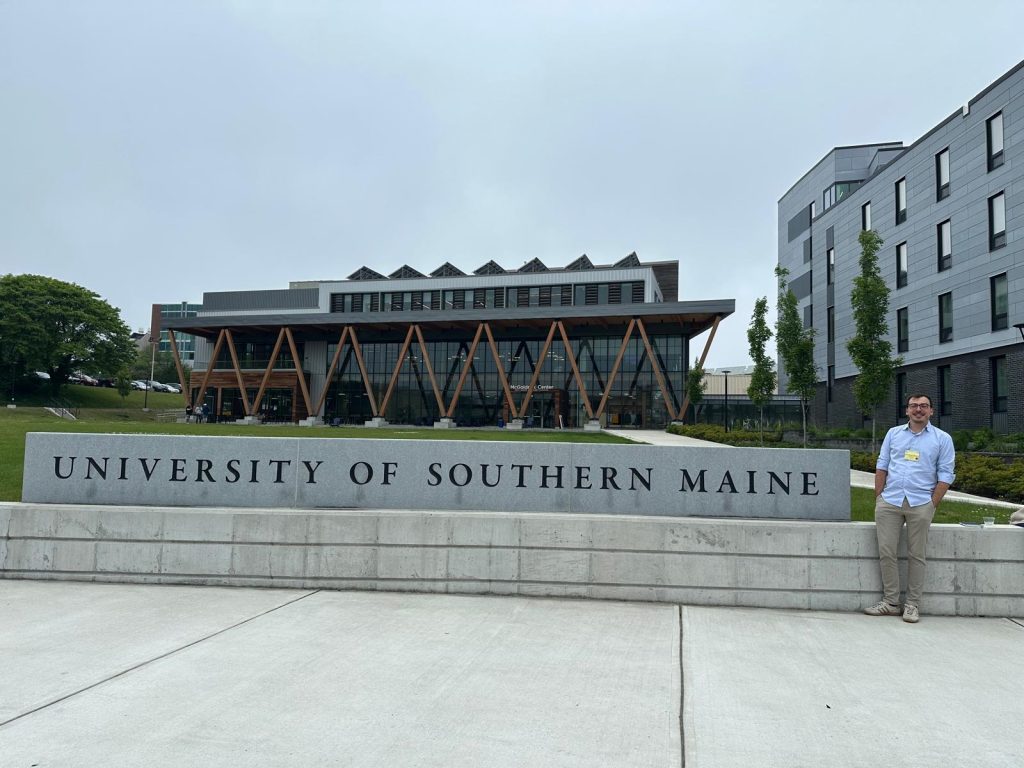
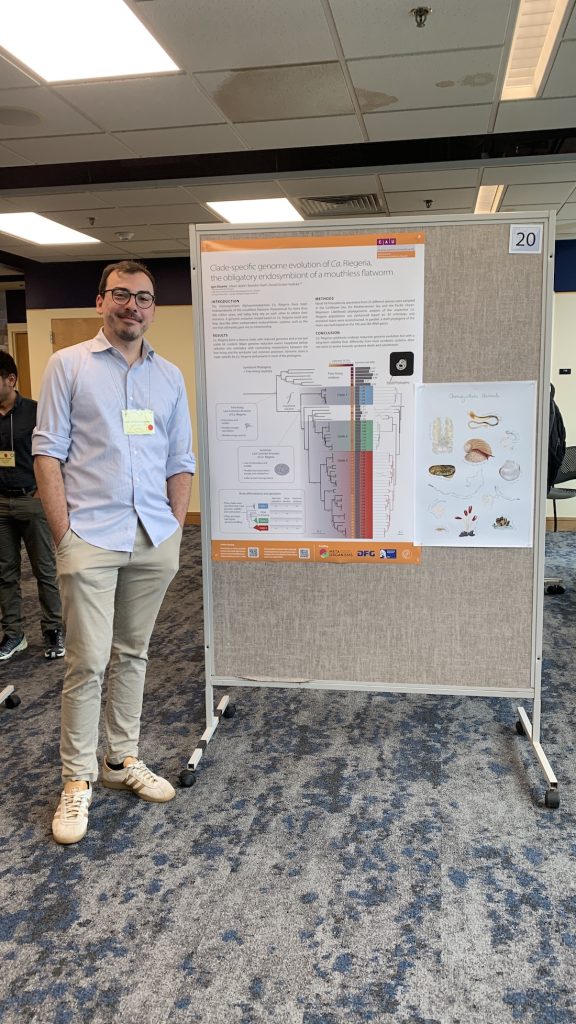
The FYORD Travel Grant programme supported my participation in the Gordon Research Conference (GRC) in Animal-Microbe Interactions, which this year took place in Portland, Maine, USA. Throughout the five days of the Conference, about 180 attendees from all over the world shared their main findings from the field of symbiosis, including the topics microbiome, intracellular microorganisms, parasitism, and evolution and molecular novelties of symbiotic associations. Additionally, the event was combined with a Gordon Research Seminar, which allowed early-career researchers to network more freely and exchange experiences from each one’s PhD and postdoctoral trajectories. I had the opportunity to present a poster entitled “Clade-specific genome evolution of Ca. Riegeria, the obligatory endosymbiont of a mouthless flatworm”, where I summarised the latest results from my PhD project.
What I liked most about participating in this conference was how nicely it was conceptualised, with the goal of creating a relaxed environment to foster relevant connections between new and veteran attendees. In such a set-up, not only was I introduced to cutting-edge methods which are being used to answer relevant questions from the field, but I also had the opportunity to discuss them directly with the authors. Another positive aspect was that the speakers were encouraged to share problems that they faced during their experiments to show what real science looks like and to showcase how such issues can be overcome. Overall, I believe the conference was a game-changer for my PhD as I could get to know the main researchers in the field, whom I had so far only read about, and build the feeling of being part of a diverse community of symbiosis-enthusiasts.
Igor

What do you think about when you hear the words “microplastic pollution?” Your mind may immediately go to imagery of colorful fragmented plastics broken off from bottles, buckets and other items we use in our everyday lives. Or, perhaps, you imagine a pile of microplastic fibers—the tiny, squiggly, spaghetti-shaped plastics that shed from our synthetic clothing. You may be surprised to hear there is another major source of microplastic pollution that’s hiding in plain sight, quite literally under our feet, that might change how you think about microplastics: tire particles.
We all know tires wear down over time—that’s why we have to replace them on our cars roughly every 60,000 miles or so. Every time a vehicle accelerates, brakes or simply drives down the road, the friction between its tires and the pavement creates tiny fragments of rubber, known as tire wear particles.
Driving a car or even riding in a bus is a bit like dragging an eraser across the planet, except the crumbs are microplastics. Toxic microplastics.
Tires are made from a complex mix of natural and synthetic rubber along with a range of additives, fillers and chemical compounds—some of which, like the preservative 6PPD, have been shown to be highly toxic to coho salmon when they break down into derivative product 6PPD-Q in the environment—even in tiny concentrations.
Some studies have shown that a single vehicle’s tires can emit more than two trillion particles per mile driven—and that the average person generates nearly two pounds of tire particles per year! Once these particles are shed from tires, they don’t just disappear. Some are small and light enough to become airborne, drifting away from roadways as dust. Others settle on road surfaces, where they accumulate until the next heavy rain washes them into storm drains and from there, into streams, rivers and eventually the ocean.
That’s why tire wear particles are now considered one of the top sources of microplastics to the environment. In fact, until recent developments in analytical methods, scientists weren’t reliably able to detect tire wear particles in microplastic counts—thus, these pesky microplastics may have been evading our detection for years.
Why green infrastructure may be one of our best near-term solutions
Unlike some sources of plastic pollution, we can’t simply stop driving overnight. Reformulating tire rubber to be less toxic or shed less material, while promising, will take time to develop, test and scale across the global vehicle fleet. So, what can we do about tire wear particle pollution right now?
This is where green infrastructure comes in. Green infrastructure refers to engineered natural systems (things like bioswales, rain gardens, roadside buffers and permeable pavement) that are designed to slow down, filter and treat stormwater before it reaches rivers, lakes and coastlines. Instead of routing runoff directly into storm drains and out to sea, green infrastructure gives contaminated water a chance to percolate through soil, plants and other natural filtration media, which helps trap microplastics, including tire wear particles, preventing them moving further downstream.
Early research on green infrastructure has been promising, showing that these systems are quite effective at capturing microplastics and other contaminants carried in road runoff. But there’s a critical piece we still don’t fully understand: What would it take to scale up green infrastructure across an entire city, and how much of a dent would that actually make in long-term tire wear particle pollution?
Our research on green infrastructure capture of tire wear particles
Funded by the Tire Industry Project, our plastics science and policy teams at Ocean Conservancy have partnered with the University of Toronto on a new study evaluating the costs and benefits of scaling up green infrastructure at the city level specifically to capture tire wear particles.
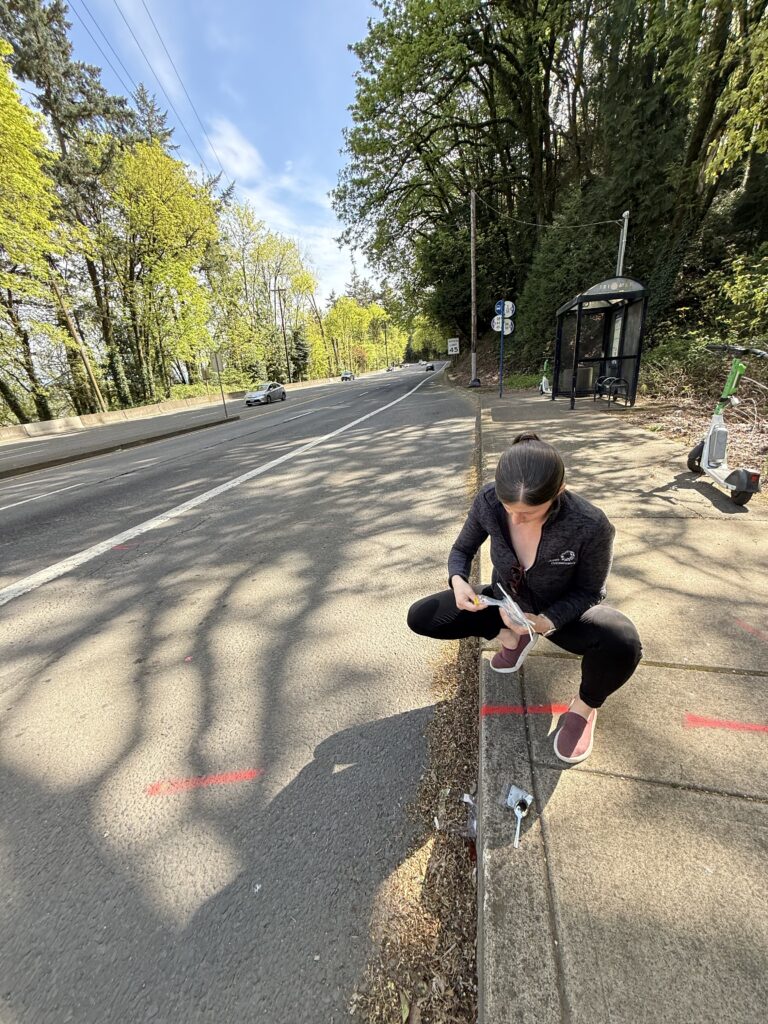
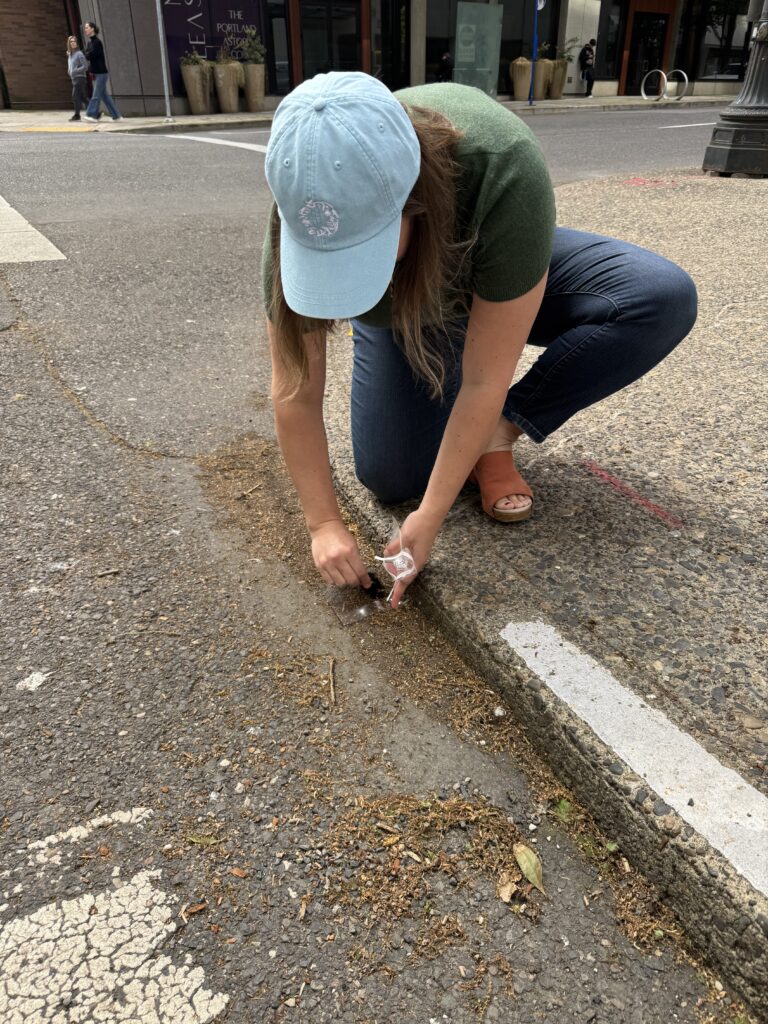
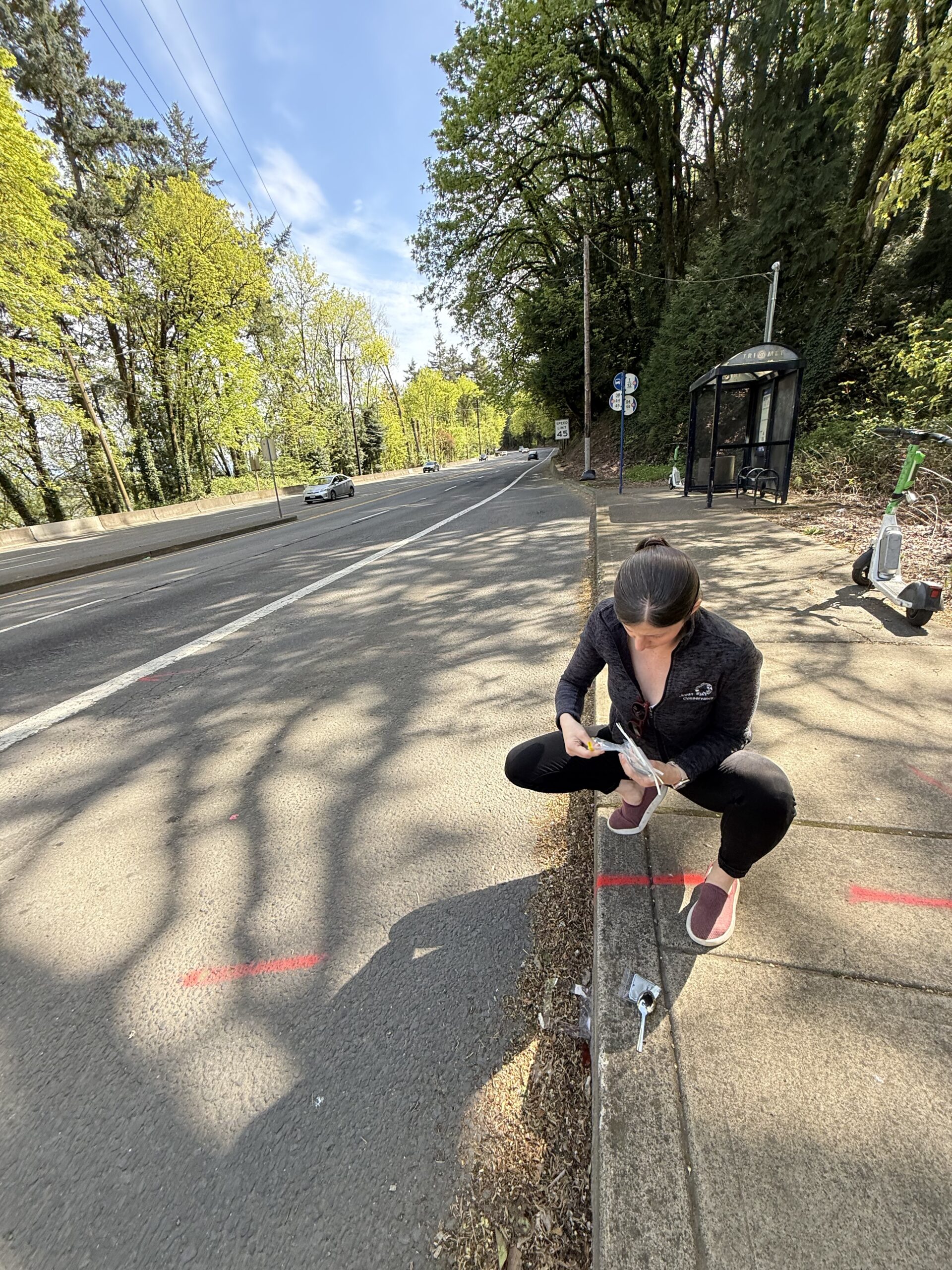
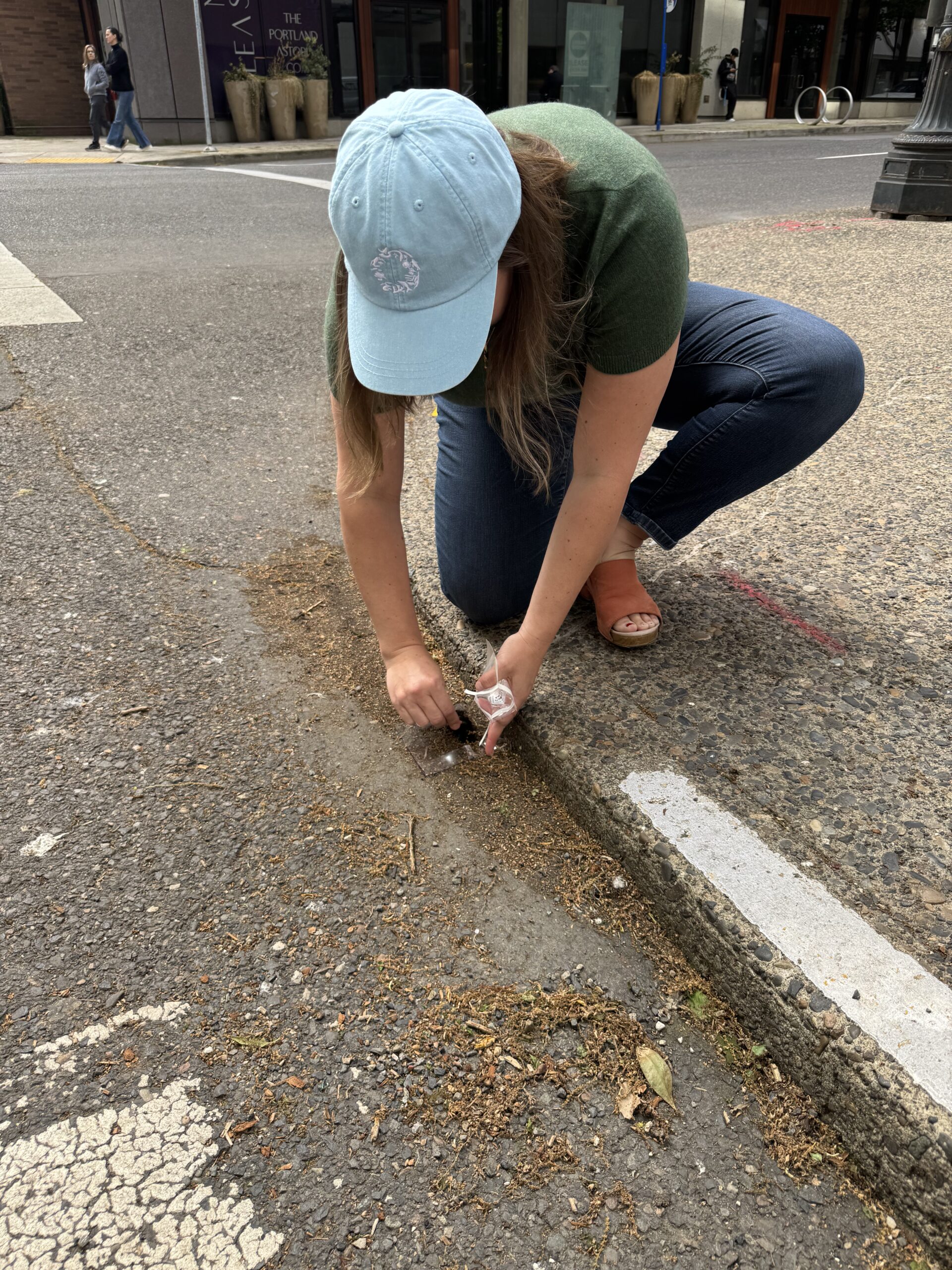
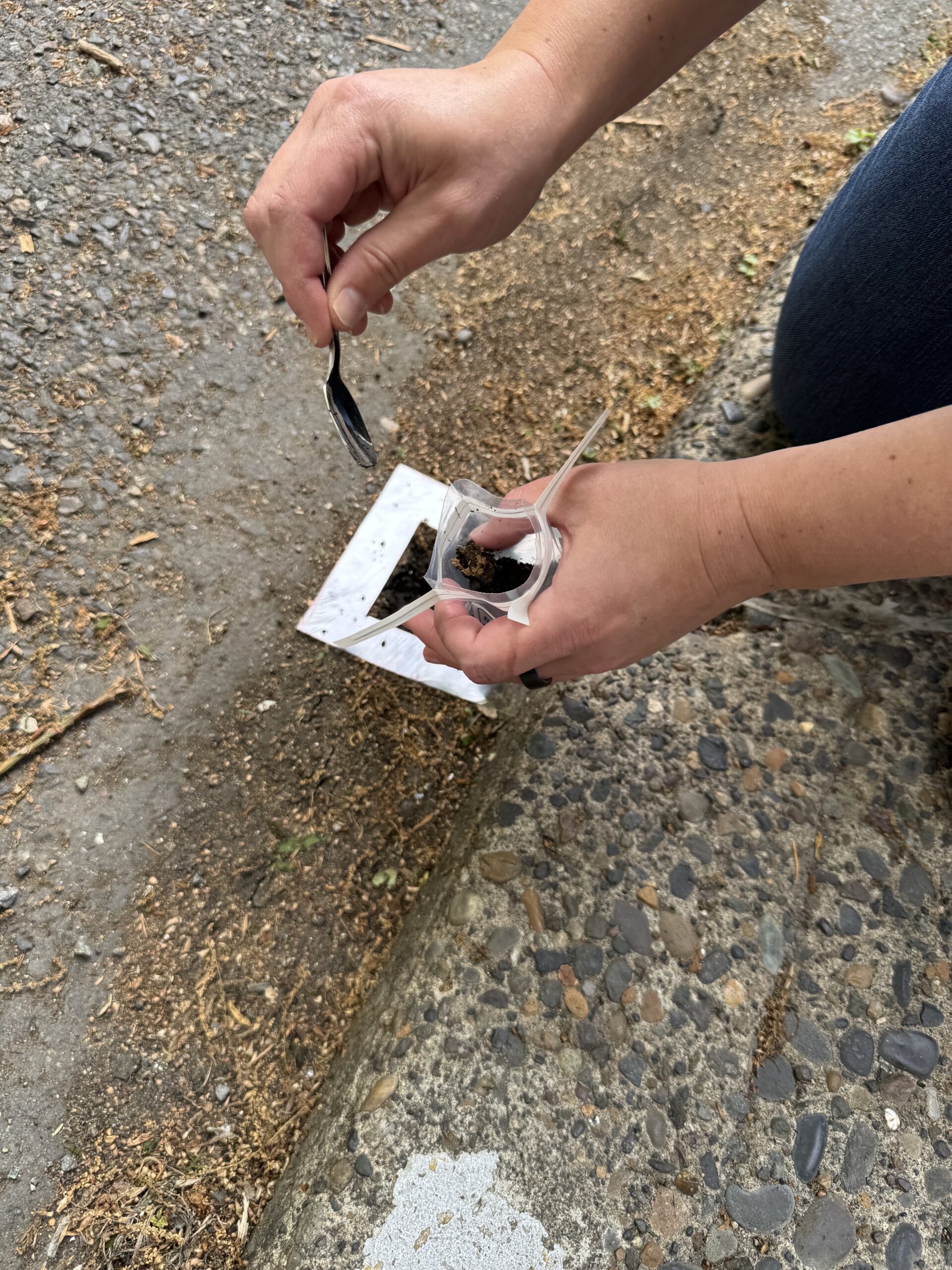
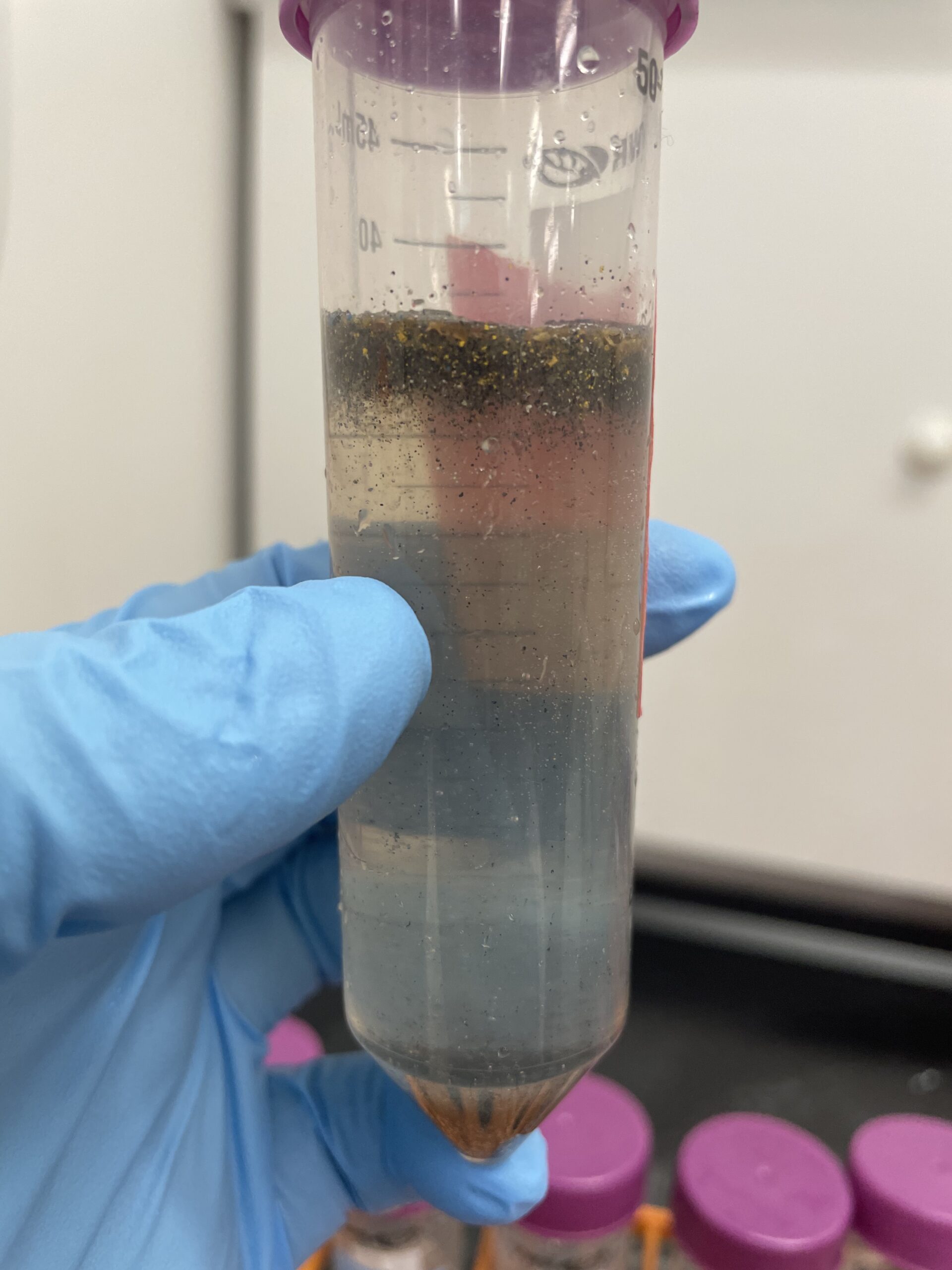
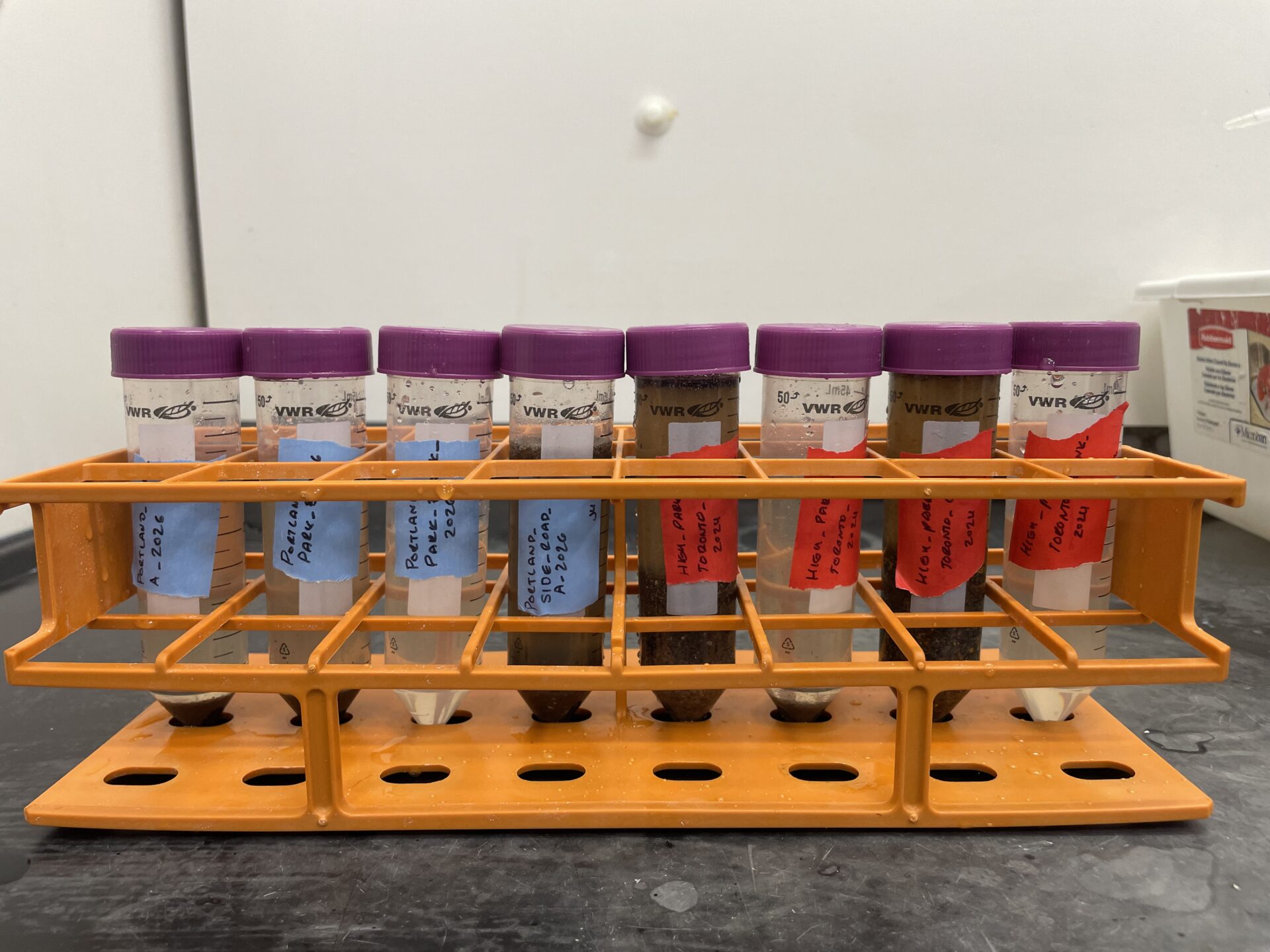
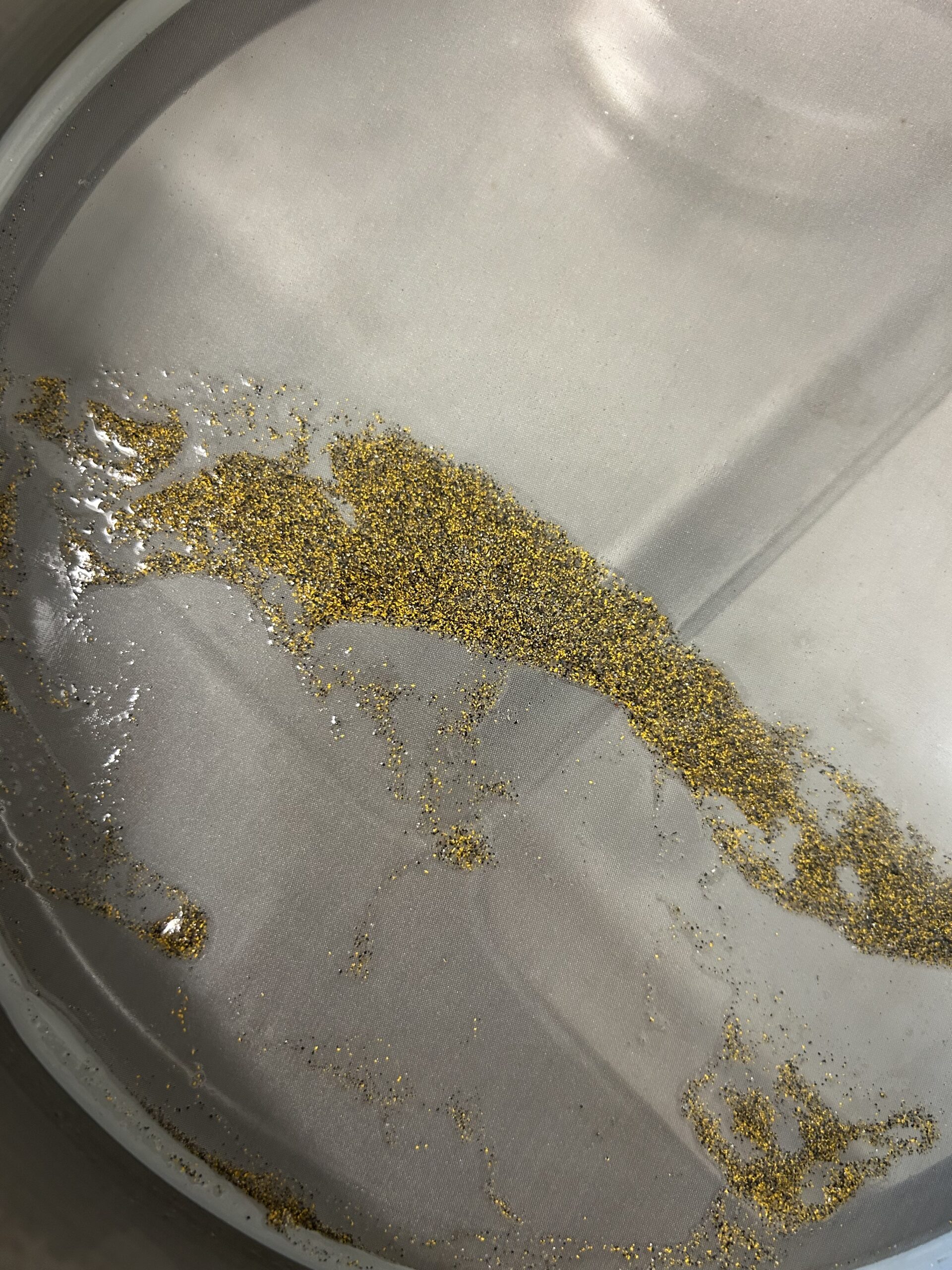
If you happen to be driving on the roadways of Portland, Oregon, you may spot our scientists crouched over, precariously scooping dirt with spoons from a sample area on the roadside. Don’t be alarmed—that’s just us doing science! Feel free to give us a wave.
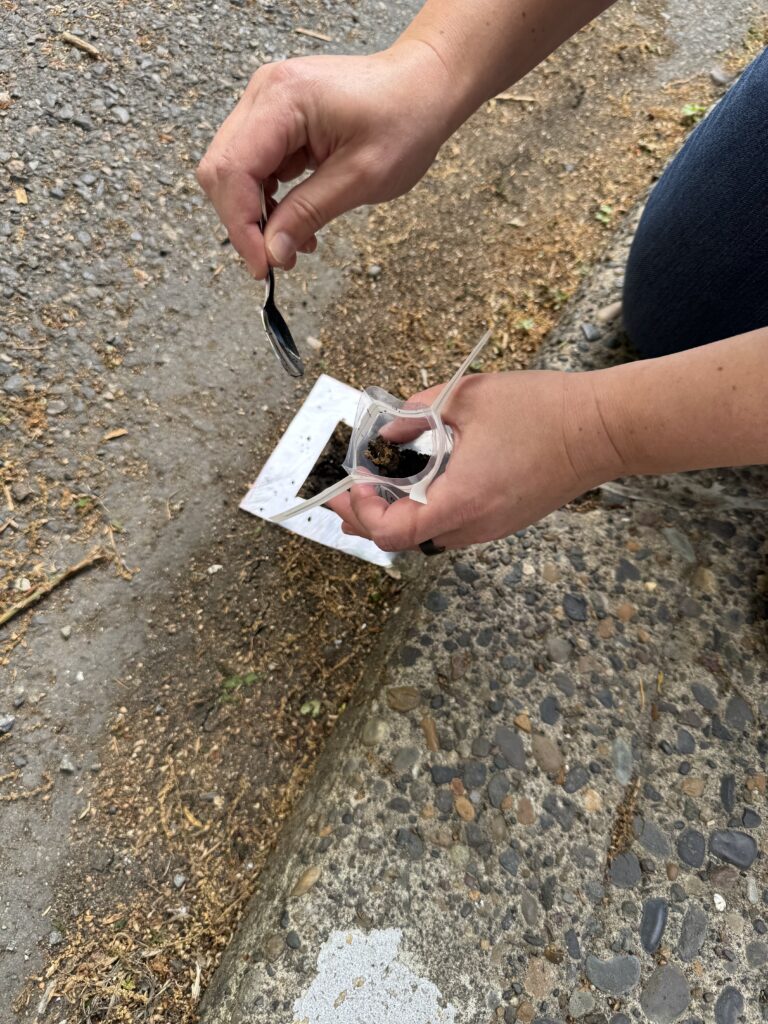
Ocean Conservancy is currently working to:
- Quantify the scale of pollution: Collect road dust samples from 30 cities globally to measure both total microplastic and tire wear particle concentrations and determine how different variables (population density, road size, rainfall) might influence those values.
- Assess feasibility: Determine what it would take realistically—logistically, financially and spatially—to scale up green infrastructure across an entire city.
- Model positive impacts: Estimate how much city-scale green infrastructure could reduce tire wear particle pollution entering aquatic ecosystems.
- Compare across cities: Understand how well these solutions might translate across different urban contexts, focusing on Portland, Oregon; Toronto, Canada; and London, England as case-study cities.
- Make our findings accessible: Produce a public-facing toolkit to help city planners, engineers and advocates guide real-world implementation of infrastructure that captures tire-wire particles.
By pairing rigorous science with practical guidance, we hope to help cities move from asking “Could this work?” to confidently building solutions that we know can be effective.
Give today and make a difference!
How can I help?
Tire wear particle pollution can feel like an overwhelming problem. After all, it’s tied to transportation, which most of us rely on every day. But that’s exactly why research like this matters: It gives us a real, near-term path forward that doesn’t require waiting for the entire global transportation system to change first.
You can help by staying engaged with Ocean Conservancy as we continue to dig into solutions for the plastic pollution crisis—one roadway, one storm drain and one city at a time. Together, we can keep working toward a world and ocean free of plastic pollution, forever and for everyone.
The post What are Tire Wear Particles? appeared first on Ocean Conservancy.
A small jellyfish-like animal recently reported from Vejle Fjord has attracted attention. Clear photographs suggest that it belongs to the genus Gonionemus and may possibly be the clinging jellyfish, Gonionemus vertens (Picture courtesy to Jonas Bøgelund Poulsen)
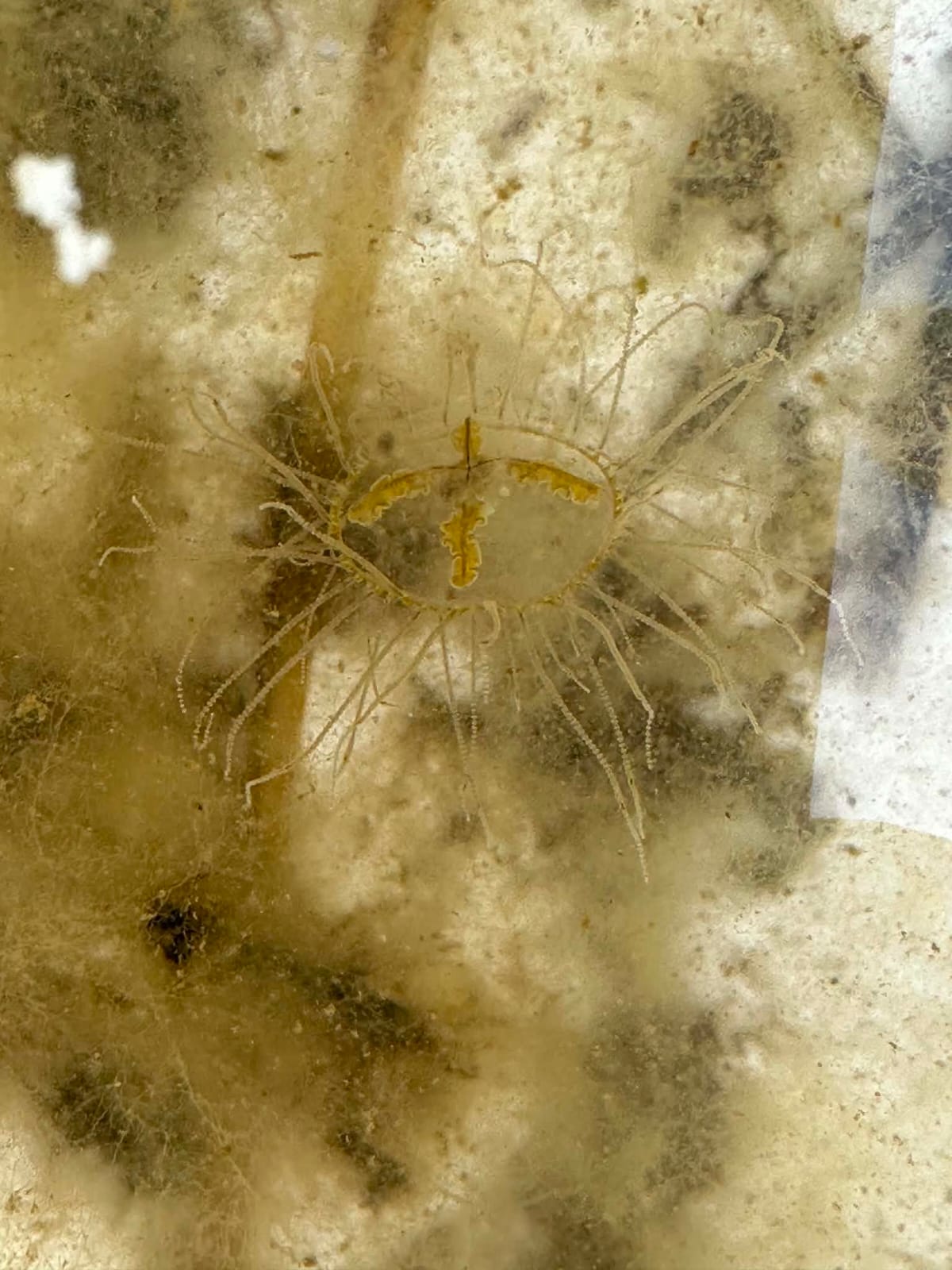
Unlike the large jellyfish commonly encountered along Danish coasts, Gonionemus vertens is a small hydromedusa, usually only around 1.5–2.5 centimetres across. Its transparent bell reveals four coloured reproductive structures arranged like a cross. Numerous fine tentacles surround the bell, often appearing bent or angled. Small adhesive pads near the ends of the tentacles allow the animal to attach itself to eelgrass, seaweed and other submerged vegetation.
This unusual behaviour explains its English name: the clinging jellyfish. During the day, it often remains attached to vegetation rather than drifting freely with the current. At night, it becomes more active and swims into the water column to feed on zooplankton and small crustaceans. Consequently, it can easily remain unnoticed even in places where it is already established. Another reason the species can be difficult to detect is its life cycle. The visible medusa is only one stage. For much of its life, the animal may persist as a minute polyp attached to a hard surface, shell or vegetation. These inconspicuous polyps can reproduce asexually and later release new medusae when environmental conditions become favourable.
Gonionemus vertens is generally considered native to the northern Pacific but has been introduced into several parts of Europe and the Atlantic. Transport on ship hulls, in ballast water or with movements of oysters and other marine organisms has been suggested as possible pathways, although the pathway responsible for any particular occurrence is rarely known with certainty.
Despite its delicate appearance, the animal should not be touched. Some populations possess powerful stinging cells and have caused intense pain, swelling, muscle cramps and, in rare cases, serious allergic reactions. Sting severity differs considerably among regions, which is one reason researchers suspect that animals currently grouped under the name G. vertens may represent a complex of closely related forms.
The Vejle Fjord observation is therefore scientifically interesting, but it should not yet be presented as a confirmed record of G. vertens. Anyone encountering a similar animal should photograph it without handling it and record the date, exact location, approximate size, number observed and surrounding habitat. Observations can be submitted to Denmark’s national species portal, Arter, where they can be evaluated and contribute to tracking changes in Danish marine biodiversity. Please use either my App: GoJelly JellySpotter or reprot to the Arter.dk: Gonionemus taxon page and Danish species-reporting portal.
References:
Edwards, C. (1977). A study in erratic distribution: The occurrence of the medusa Gonionemus in relation to the distribution of oysters. Advances in Marine Biology, 14, 251–284. DOI: 10.1016/S0065-2881(08)60448-4.
Govindarajan, A. F., Källström, B., Selander, E., Östman, C., & Dahlgren, T. G. (2019). The highly toxic and cryptogenic clinging jellyfish Gonionemus sp. (Hydrozoa, Limnomedusae) on the Swedish west coast. PeerJ, 7, e6883. DOI: 10.7717/peerj.6883.
The JOIDES Resolution (JR) was a renowned, international, scientific research ship. It was home to over 190 expeditions, each sailing for 60 days at a time without docking. Scientists and crew members from all over the world met to discover Earth’s secrets through studying ocean cores. Every two months the JR would get a new crew, sailing to an entirely new place. This once in a lifetime experience forms special and unforgettable social connections.
Since working on the JR I’ve kept those connections strong with snail mail. I have always been an avid penpal, so meeting new friends means new addresses to send my letters and postcards to. Experiences like sailing on the JOIDES Resolution or participating in programs like OCEAN CORE Academy is one of the ways I’ve met people from all over the world.
Now that the JR is retired, there is no more scientific research drilling being done through the International Ocean Discovery Program (IODP). But, there is still plenty to learn from ocean cores, and plenty of people to meet through programs like OCEAN CORE Academy (OCA). OCA is an annual summer opportunity from the U.S. Scientific Support Program (USSSP) that hosts undergraduates interested in geoscience related careers. Students can apply to this program for a chance to research and study data recovered from cores originally brought up by the JR, now located at the Gulf Coast Repository (GCR) in College Station, Texas. Students also practice forms of science communication with the guide of mentors. As a science communicator and fan of snail mail, I ran a craft night teaching students how to make and send science-themed postcards.

Fig. 1) students using watercolor to paint onto 4 by 6 inch board paper, a photo of a thin section slide is in the background. Photo by Dr. Leah Joseph.
For this project, we based the cover image of the postcards off of rock thin section slides. These slides are a slice of a hard rock or mineral that’s been glued to a microscope slide, sanded to 0.03 millimeter thickness, and polished. Thin section slides are used to identify grain size, shape, color, and other physical properties. This helps scientists understand the textural relationships between the rocks and determine the origin or evolution of the parent rock. Thin sections can also be helpful for identifying minerals using cross polarized light (XPL). XPL reduces light reflection and glare, commonly used for sunglasses and professional photography, but in a polarizing microscope, XPL is used to create a dark field causing certain minerals to appear brighter and more visible. Different colors are associated with different minerals, and as the stage of the microscope rotates, light passes through the slide in unique ways aiding scientists with identification. Identifying minerals can help scientists in understanding more about where the rocks came from and how old they are. These thin sections are not only informative, but are incredibly beautiful, making unique and stunning postcard covers.

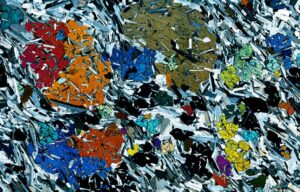
Fig. 2) Examples of thin section slides under a XPL microscope, bronzitite (left) and gabbro (right). Sourced from here.
After the OCA students finished their paintings, my home-made “post card” stamps go on the back, a stamp gets added, and they’re ready to be mailed out. Although most OCA participants this year were U.S. based, they came from all over, ranging from Staten Island to San Francisco to Arizona to Connecticut. In addition to one mentor from New Zealand! For many of these students this was their first time traveling on their own, and their first time forming long-distance connections. With these scientific postcards, OCA students can stay connected by reminding each other of the science they learned together. My experience on the JR taught me great things about geological research, but it also gave me life long connections that I cherish. Although the JR is gone, its legacy lives on in our memories and the ways we stay connected with friends. I’m grateful to know that even without an international ship, I’m still able to add friends to my address book.
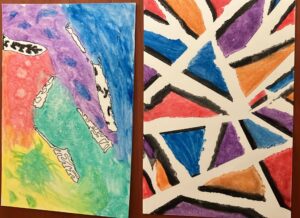
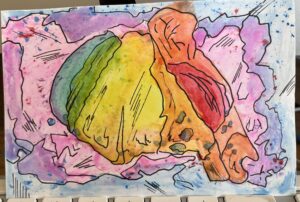
Fig. 3) Examples of participant made postcards
Written by Kellan Moss



-
Climate Change12 months ago
Guest post: Why China is still building new coal – and when it might stop
-
Greenhouse Gases12 months ago
Guest post: Why China is still building new coal – and when it might stop
-

 Greenhouse Gases2 years ago
嘉宾来稿:满足中国增长的用电需求 光伏加储能“比新建煤电更实惠”
-

 Climate Change2 years ago
嘉宾来稿:满足中国增长的用电需求 光伏加储能“比新建煤电更实惠”
-
Climate Change2 years ago
Bill Discounting Climate Change in Florida’s Energy Policy Awaits DeSantis’ Approval
-

 Renewable Energy10 months ago
Sending Progressive Philanthropist George Soros to Prison?
-

 Carbon Footprint2 years ago
US SEC’s Climate Disclosure Rules Spur Renewed Interest in Carbon Credits
-
Greenhouse Gases1 year ago
嘉宾来稿:探究火山喷发如何影响气候预测